
The Role of Sports Medicine in Military and Tactical Careers
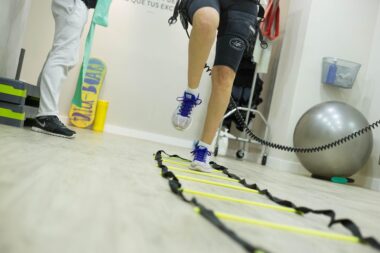
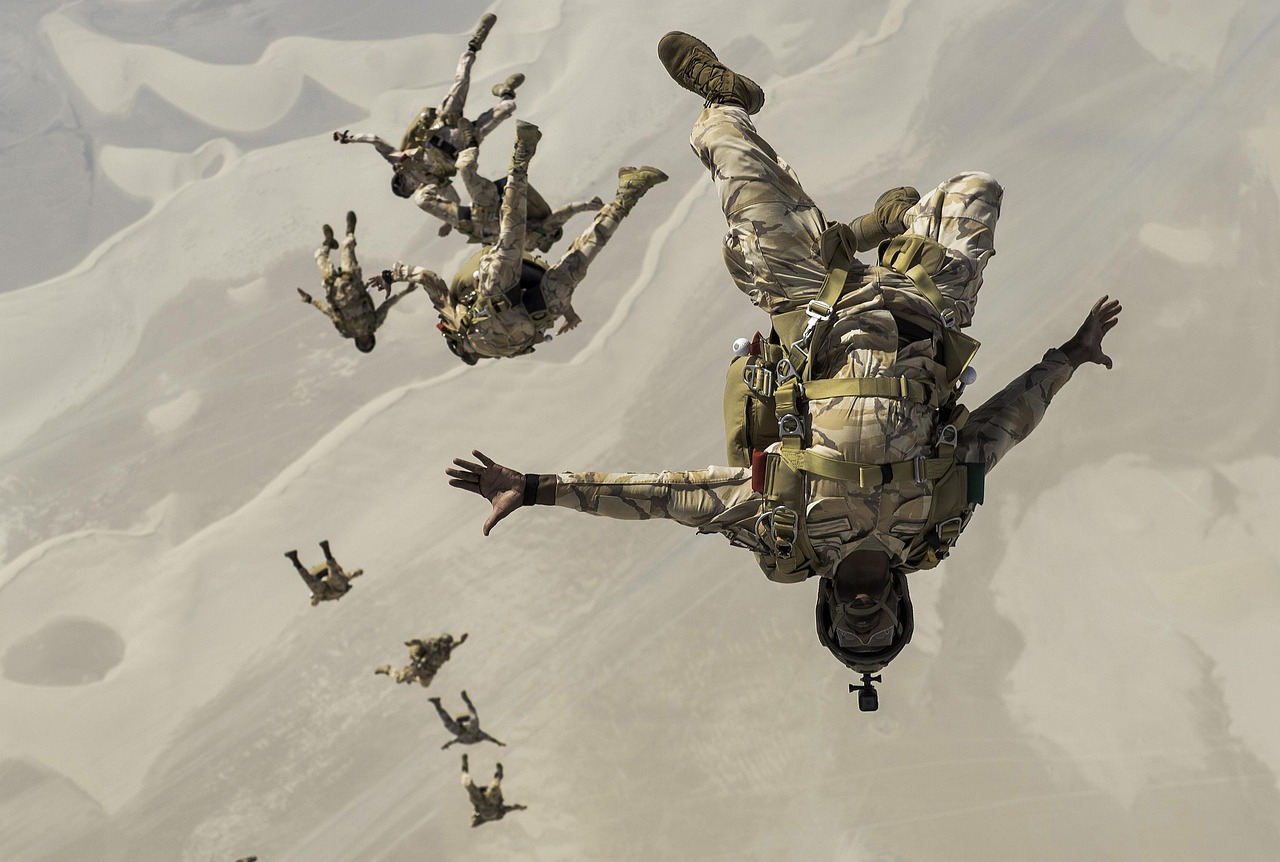
Sports medicine plays a vital role within the military and tactical professions, emphasizing the need for optimal physical performance while reducing injury risks. Professionals in this field not only help soldiers excel in their physical abilities but also ensure they recover effectively from injuries sustained during training or operations. An essential component of sports medicine is injury prevention strategies, focusing on conditioning exercises tailored for combat scenarios. This proactive approach addresses the particular demands placed on military personnel, incorporating agility and strength training while promoting awareness of overuse injuries common in such high-intensity environments. Key areas of focus include biomechanics, nutrition, and recovery methods, all crucial for enhancing soldier resilience. Additionally, sports medicine practitioners work closely with military leaders to design fitness regimens that align with specific mission requirements. They also train military personnel in proper techniques to prevent injury and maintain fitness levels during deployments. Furthermore, they advocate for ongoing education about health and wellness, ensuring a culture of fitness persists throughout the armed forces. The integration of these practices fosters a healthier, more effective military force ready for any tactical challenge.
Furthermore, the significance of mental health cannot be overlooked in the context of sports medicine within military careers. Soldiers face unique challenges, including the mental toll of combat and separation from family. Sports medicine specialists are increasingly recognizing the importance of mental fortitude, integrating psychological support into training regimens. This holistic approach encompasses physical conditioning, mental resilience training, and therapeutic interventions. Practitioners employ techniques such as visualization and mindfulness to help soldiers cope with stress and anxiety. This synergy between physical and mental health ensures soldiers are better prepared to face the rigors of military life. Additionally, peer support programs foster a sense of community among soldiers, promoting open discussions about mental wellness. Continuous evaluation and adaptation of these programs allow for a tailored approach that meets the specific needs of different military units. Professionals must remain current with psychological research to implement these strategies effectively. The evolution of military sports medicine thus highlights the necessity for comprehensive care that addresses the soldier’s overall wellness. Ultimately, prioritizing mental health alongside physical training aims to improve the effectiveness and longevity of military personnel.
The Interdisciplinary Collaboration in Military Sports Medicine
In military sports medicine, interdisciplinary collaboration is paramount for optimal care delivery. Medical professionals, trainers, psychologists, and nutritionists must work together seamlessly to support personnel’s physical and mental health needs. This collective effort enhances performance by allowing tailored interventions that consider each soldier’s unique circumstances and challenges. Regular team meetings facilitate communication, ensuring everyone is informed about ongoing cases and new research findings. Moreover, incorporating technology into this collaborative framework can lead to improved outcomes. For instance, wearable devices and fitness apps can track soldiers’ physical activities and recovery metrics, providing valuable insights for the team. Furthermore, standardized assessment protocols help practitioners identify the most effective strategies for injury prevention and rehabilitation. Keeping the lines of communication open fosters a culture of safety and trust, crucial for success in high-stress military environments. Additionally, this collaboration emphasizes the importance of feedback from soldiers themselves, as their experiences can inform best practices. Integrating knowledge from various disciplines thus enhances the capacity of military sports medicine practitioners to address the unique demands of tactical careers while promoting soldiers’ health and performance.
The ever-evolving landscape of sports medicine also fosters ongoing research opportunities, particularly in relation to military applications. As new techniques and technologies emerge, sports medicine practitioners must remain informed about advancements that can enhance their practice. Research into specific injuries common in military settings can yield data that guide prevention and rehabilitation strategies tailored to soldiers. Collaboration with academic institutions enables military sports medicine professionals to contribute to cutting-edge studies, influencing approaches on a broader scale. Furthermore, innovation in areas such as regenerative medicine and biomechanics can significantly impact soldier recovery and performance. Investigating novel training methods and recovery protocols can lead to a competitive edge for military teams during their missions. Continuous professional development ensures that practitioners stay ahead of the curve in implementing these innovative practices. Additionally, establishing partnerships with other military branches and international organizations can facilitate knowledge exchange and broader research initiatives. This commitment to research and development in sports medicine ultimately enhances the readiness and effectiveness of military personnel, allowing them to meet the challenges of modern warfare successfully. Creating a solid foundation for future endeavors is essential for the ongoing evolution of this vital field.
Role of Physical Fitness in Tactical Preparation
The role of physical fitness in tactical preparation is undeniably crucial. A well-structured fitness program is designed to enhance strength, endurance, and agility, thereby increasing the overall readiness of military personnel. Sports medicine specialists play a significant role in developing tailored fitness plans that reflect the levels of physical demand specific to various military roles. These plans account for the type of missions personnel might encounter, leading to comprehensive training outcomes. Incorporating functional fitness techniques prepares soldiers for real-world challenges, such as navigating diverse terrains or carrying heavy equipment. Additionally, integration of periodized training helps optimize performance by systematically increasing training intensity over time while allowing adequate recovery. Veterans can be deployed without being properly conditioned in fitness, exposing them to greater injury risks. Regular fitness assessments help track progress, allowing for adjustments in training regimens to ensure continued development. Moreover, embedding recovery protocols into fitness training is essential for maintaining optimal health, ensuring each soldier remains in peak condition. The continual emphasis on physical fitness enables military personnel to perform efficiently in demanding situations, ultimately contributing to mission success.
Nutrition also plays a pivotal role in enhancing performance within military environments. Tailored nutritional guidelines must be established, considering the unique physical demands soldiers face. Sports medicine professionals collaborate with nutritionists to design meal plans that optimize energy levels and promote recovery during training. Nutritional education is crucial in ensuring soldiers understand which foods fuel their efforts and aid recovery post-exercise. Proper hydration strategies are equally essential, as dehydration can impair performance and increase injury susceptibility. Individuals learn various hydration techniques to maintain optimal performance during field exercises and operations. Furthermore, nutrition plays a role in mental health, with specific diets linked to improved cognitive function and mood stability. Addressing the psychological aspects of nutrition fosters overall wellbeing, creating a holistic approach to health within military personnel. Evaluating and adapting nutrition plans can ensure the specific needs of each unit are met, leading to improved performance outcomes. Overall, establishing a strong nutritional foundation enhances the effectiveness of soldiers in both training and operational scenarios. Such initiatives contribute significantly to the military’s mission readiness through optimized health and performance.
Long-Term Implications of Sports Medicine in Military Careers
The long-term implications of sports medicine in military careers extend beyond immediate physical health impacts. Injury prevention and wellness promotion strategies contribute to a culture of success and resilience throughout a soldier’s career. Appropriate care and rehabilitation from sports medicine professionals ensure optimal recovery from injuries sustained during service, influencing soldiers’ readiness for future duties. This emphasis on health creates opportunities for long-lasting careers in military service, characterized by lower injury rates and improved performance metrics. Regular assessments and proactive interventions significantly decrease the risk of chronic conditions that may arise due to service-related injuries. Moreover, the implementation of ongoing training and education around sports medicine practices cultivates a knowledgeable workforce capable of managing their health proactively. Such initiatives enhance soldiers’ self-awareness around health, mental acuity, and physical fitness. This philosophy extends toward a fundamental component of their military careers, contributing to a sustainable force fully prepared for various environments. Ultimately, supporting soldiers through sports medicine creates pathways for success that can resonate throughout their careers, enhancing quality of life both within and beyond military service.
In conclusion, the role of sports medicine in military and tactical careers is multifaceted, encompassing injury prevention, physical and mental health, nutrition, and long-term career implications. This critical approach promotes holistic health among personnel, ensuring they can perform optimally in challenging environments. The integration of interdisciplinary collaboration is essential in maximizing the effectiveness of sports medicine practices across different military branches. As advancements continue to shape the field, ongoing research and innovation will further enhance the readiness and wellbeing of military personnel. An emphasis on physical fitness, along with a solid nutrition foundation, ensures that soldiers are not only prepared for physical demands but also have the mental resilience needed to thrive. Overall, the sports medicine landscape within military careers is evolving, offering significant benefits to individuals and enhancing the overall effectiveness of military forces. Prioritizing these aspects guarantees that soldiers are equipped with the tools necessary for success in both training and operational missions. Ultimately, the commitment to sports medicine embodies a dedication to soldier health, performance, and longevity in their careers.