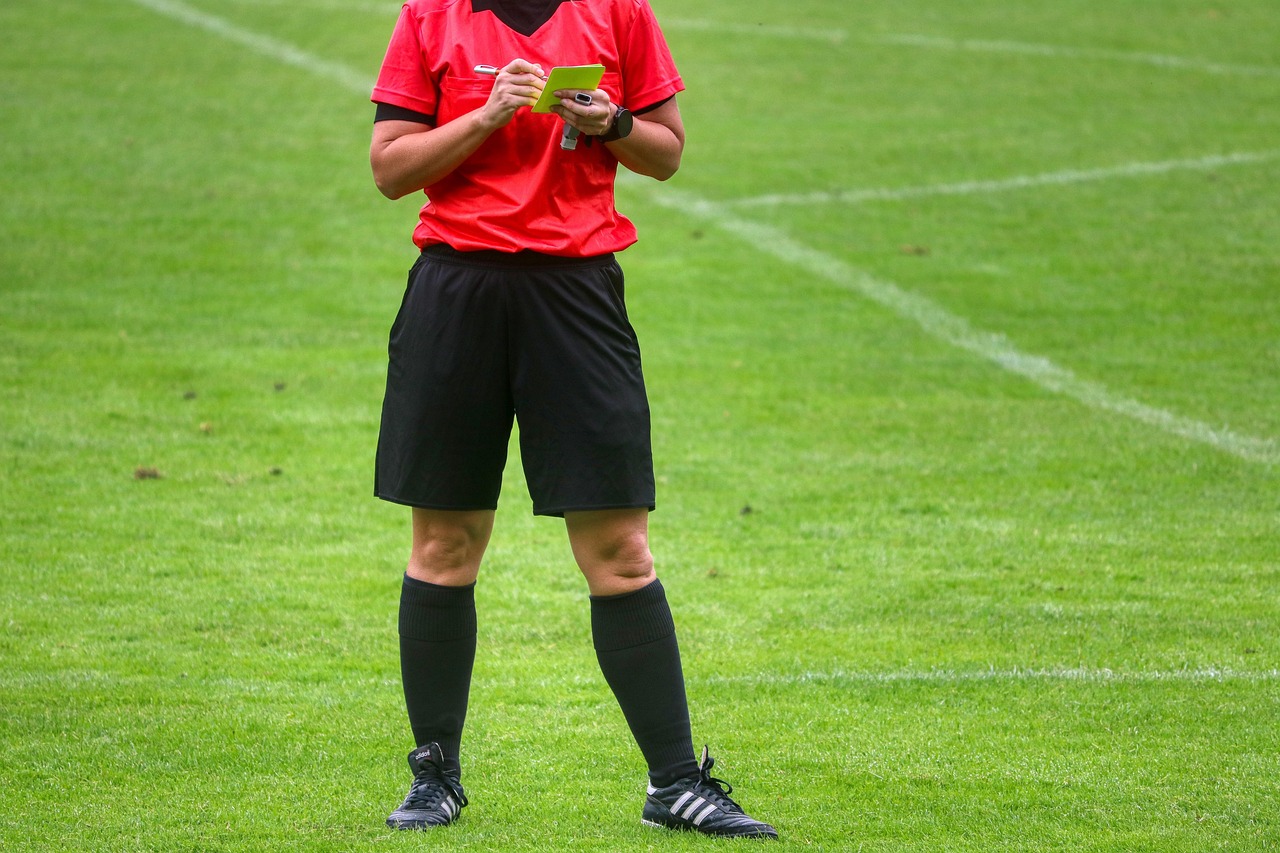

The Role of Referees and Officials in Enforcing Fair Play in Youth Sports
Referees and officials are essential to maintaining fair play in youth sports. Their responsibilities extend beyond mere rule enforcement; they shape the sports experience for players, coaches, and parents alike, all while upholding ethical values. First, it is vital for referees to be well-trained on the specific rules associated with each sport they officiate. In addition, good communication skills are essential for effectively conveying decisions to players and spectators. Moreover, an official’s credibility arises from their impartiality, making fairness a cornerstone of their duties. When referees act consistently, they foster an environment in which athletes can focus on skill development rather than rules confusion. Furthermore, they serve as role models, influencing young players’ understanding of sportsmanship and respect. This inherent integrity helps build trust and encourages the pursuit of excellence. Upholding the standards of conduct leads to higher levels of respect among players and coaches alike. As referees contribute to a culture of respect and ethical behavior, they play an influential role in shaping the future of sports, creating an atmosphere where fair play thrives and athletes can develop positively.
Training and Development for Referees
To uphold fair play in youth sports, referees must undergo comprehensive training and development programs. These initiatives should focus on educating officials about the rules and techniques necessary for effective officiating. Training plays a vital role in enhancing their confidence and competence in making split-second decisions during games. Workshops, instructional sessions, and mentorship opportunities can facilitate the growth of referees, thus improving their understanding of fair play policies. Furthermore, ongoing education in conflict resolution and communication skills is critical. This ensures they can handle challenging situations that may arise during youth sports events. Referees also benefit from feedback sessions, enabling them to learn from their experiences and adjust their approaches accordingly. Additionally, collaboration with coaches and athletes can enhance their understanding of game dynamics and build relationships based on mutual respect. By prioritizing the training of referees, sports organizations can cultivate an environment that promotes fair play and ethical behavior. Overall, investing in the continuous development of referees helps ensure that all participants within youth sports enjoy a safe and equitable playing field, which is essential for their growth and development.
Game situations often provide unique challenges for referees enforcing fair play. Officiating at youth sporting events requires adaptability and awareness, particularly when young athletes may not fully grasp the rules. In such cases, referees play a critical role in modeling appropriate behavior and reinforcing ethical values. Positive referee behavior towards athletes promotes a healthy competitive atmosphere, encouraging players to emulate this conduct during games. Referees should be equipped to manage various scenarios, such as aggressive behavior or unsportsmanlike conduct, using their authority to maintain control. They must ensure that all participants understand the consequences of their actions, instilling a sense of accountability. Furthermore, explaining decisions directly to young players fosters learning by clarifying the reasons behind specific calls. In fact, dialogue encourages curiosity and understanding among aspiring athletes on the importance of fair play. As referees reinforce the significance of ethical behavior on and off the field, they help cultivate a new generation of sports enthusiasts. Ultimately, their proactive approach in sustaining fair play creates a more enjoyable and respectful atmosphere for youth sports participants, promoting valuable life lessons.
Engagement with Coaches and Parents
Effective communication between referees, coaches, and parents greatly contributes to enforcing fair play in youth sports contexts. Establishing rapport between these parties helps create a cooperative environment that prioritizes fairness and sportsmanship. Referees must engage coaches as partners in promoting ethical practices that lead to constructive experiences for players. Pre-game meetings can set the tone for efficient collaboration, laying out expectations for behavior on the field. Similarly, it is important for referees to educate parents about the significance of fair play and their roles in supporting officials during games. By fostering dialogue and transparency, all participants can work together to reduce tension and misunderstandings during competitions. In turn, this collective commitment enhances the overall sports experience for youth athletes. Additionally, officials should model the standards of behavior expected from players and coaches, demonstrating integrity that resonates throughout the sports community. The relationships developed through transparent communication ultimately encourage smoother interactions on the field. In prioritizing cooperation among referees, coaches, and parents, the youth sports experience can flourish, allowing players to thrive in fair environments.
Referees play a critical role in conflict resolution during youth sports events. When disputes arise on the field, officials are responsible for managing tensions and restoring order. They must remain calm and composed, setting an example for everyone involved. By addressing issues promptly, referees can prevent misunderstandings from escalating into greater conflicts. Moreover, it is vital for officials to approach disputes devoid of bias, ensuring that their decisions reflect fairness. Fair handling of conflicts fosters respect among players, coaches, and parents alike. In addition, educating participants about the necessary steps for addressing grievances can facilitate positive resolutions and promote understanding of the rules. For example, referees may provide players with insights into the rule violations that led to specific calls. This open approach encourages young athletes to accept decisions and encourages them to engage in constructive discussions about fairness in sports. By establishing themselves as neutral figures in conflict scenarios, referees reinforce their authority and cultivate a culture of respect. Ultimately, their competencies in conflict resolution play an essential role in maintaining the integrity of youth sports, ensuring that all players have opportunities to compete fairly.
Building a Culture of Fair Play
Establishing a culture of fair play is a collective effort that involves referees, athletes, coaches, and parents. Officials must actively promote this ethos during games by embodying principles of respect and sportsmanship. Initiating moments of reflection and discussion can reinforce the idea of ethical practices across the sporting community. For example, referees can share insights about the importance of fair play in shaping young athletes’ experiences. Additionally, referees should encourage athletes to participate in discussions that underline the value of community and cooperation. By compelling players to consider the impact of ethical conduct on themselves and their teammates, they become more invested in their personal growth. Promoting fair play can also extend beyond the field; organizing community outreach programs or initiatives that emphasize sportsmanship is impactful. As more people engage with these concepts, positive behaviors and attitudes can ripple through the sporting environment. Referees must remain vigilant, reminding participants of their collective responsibility in fostering a culture that supports fair play, ethics, and integrity. Ultimately, this collective emphasis creates long-lasting benefits, enriching the overall youth sports experience.
In conclusion, referees and officials hold significant responsibilities in enforcing fair play in youth sports. Their influence shapes the athletes’ experiences, creating environments where ethical practices can flourish. Through effective training and development, referees gain essential skills for navigating the challenges inherent in officiating youth games. Engaging with coaches and parents establishes the necessary partnerships for fostering respectful interactions during competitions. When referees handle conflicts with composure and impartiality, they convey the importance of ethical conduct to all participants. Additionally, fostering a culture of fair play allows for community investments that amplify the credibility of youth sports, ensuring everyone has a voice. Ultimately, the commitment of referees and officials to uphold ethical standards enables young athletes to develop vital skills that contribute to their personal and collective growth. These experiences transcend the field, teaching players about resilience, teamwork, and accountability. As the sports community continues to evolve, the roles of referees and officials will remain vital. Their commitment to enforcing fair play will inspire generations of athletes to engage meaningfully in sports and uphold ethical values, enriching both their lives and the wider sporting community.
Conclusion and Future Perspectives on Fair Play
As we look to the future of youth sports, the focus on preserving fair play remains paramount. Referees and officials must evolve alongside the sports landscape, adapting to new challenges and expectations. By harnessing technology and implementing innovative training methods, they can become even more effective in their roles. The development of tools such as video reviews or real-time decision reviews may further improve the accuracy of officiating, reducing the potential for controversy during competitions. Moreover, initiatives that emphasize education about ethical conduct in sports not only enrich the experience for participants but may also encourage them to continue playing. As young athletes grow into adulthood, they carry their experiences, lessons, and values learned through fair play. The growth of ethical sportsmanship will positively impact society on a broader scale, demonstrating the benefits of integrity in all aspects of life. Ultimately, continuous collaboration among referees, coaches, parents, and players is crucial to maintaining and advancing fair play in youth sports. By working together, communities can ensure that the legacy of fairness persists, creating lasting memories and experiences reflective of the core values of sportsmanship.