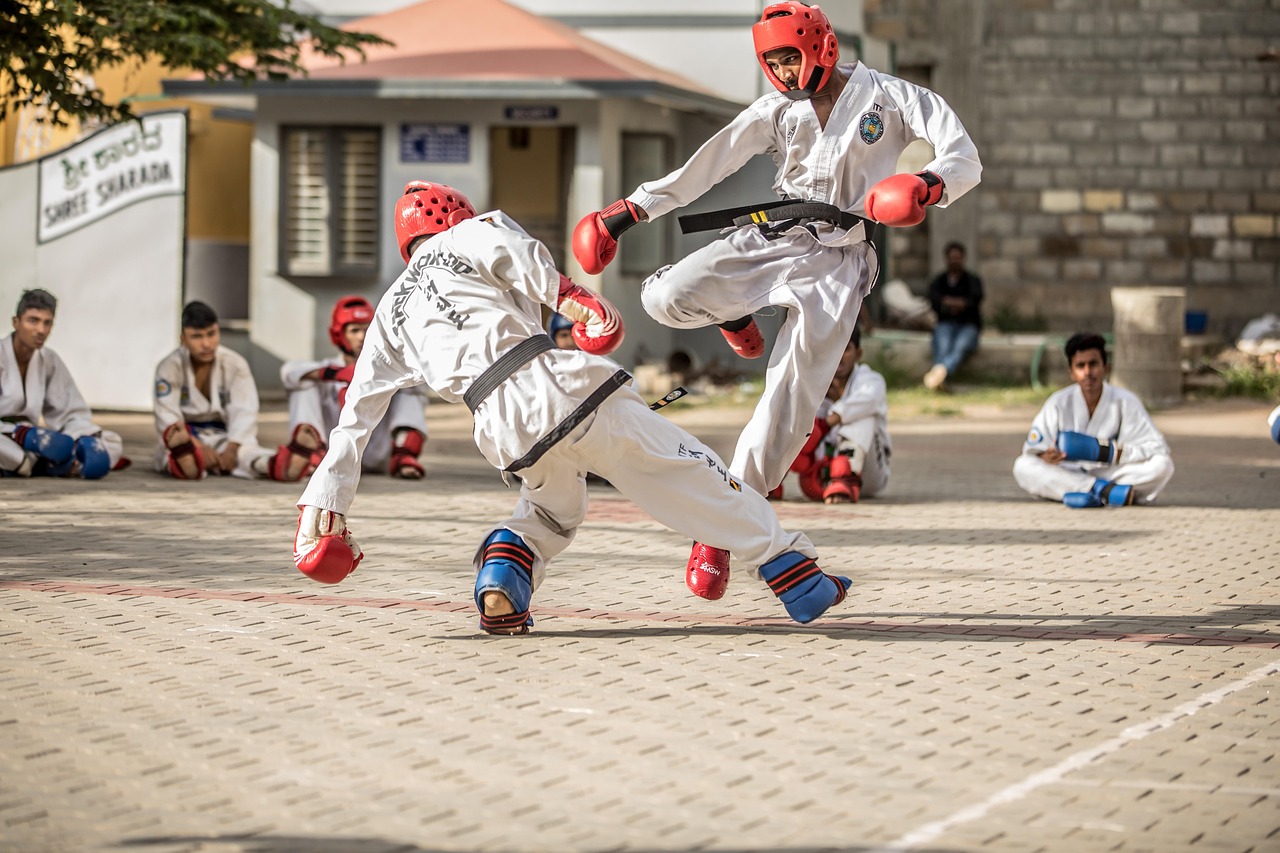

Exploring the Cultural Traditions Behind Taekwondo
Taekwondo is more than just a martial art; it represents a tapestry of cultural traditions that form its foundation. Originating in Korea, Taekwondo combines physical prowess with profound philosophical principles. One of the essential elements of Taekwondo is respect, which is emphasized through customs such as bowing to instructors and opponents. Additionally, practitioners are often taught the values of humility, perseverance, and integrity. Through these traditions, Taekwondo not only aims to improve physical fitness but also to shape character and encourage personal growth. This holistic approach ensures that each practitioner becomes not just an athlete, but also a well-rounded individual. Understanding these cultural nuances can enhance one’s practice and appreciation of Taekwondo. It transforms training sessions into opportunities for self-reflection and moral development. Students learn that martial arts training is about much more than just mastering kicks or punches; it is about fostering a deep connection with their culture and enhancing their ethical and moral fibers. The rich cultural tapestry of Taekwondo is a testament to its enduring legacy in the landscape of martial arts.
Historical Context and Evolution
The history of Taekwondo is deeply intertwined with Korean culture, spanning thousands of years. Its roots can be traced back to ancient Korean fighting techniques and philosophies. Originally known as “Taekkyeon,” this martial art was used for both self-defense and as a sport, emphasizing fluid and agile movements. Over time, in the aftermath of the Korean War, various martial arts styles began to merge into what we now recognize as modern Taekwondo. Influences from Japanese martial arts were integrated, creating a hybrid style that maintained core Korean principles while adopting new techniques. This evolution helped Taekwondo gain international recognition and popularity, leading to its inclusion in the Olympics in 2000. The growth of Taekwondo also contributed to a cultural exchange, introducing people worldwide to its unique traditions. Many practitioners also participate in national and international competitions. These tournaments are not just battles of skill but occasions to celebrate the shared values and respect that underlie the art. Understanding this historical context can significantly enhance one’s appreciation for the art form.
At the core of Taekwondo lies a philosophy that stresses the importance of character development, self-discipline, and mutual respect. Practitioners are taught to embody the tenets of Taekwondo in their daily lives. This idea extends beyond the dojang, or training hall, and into one’s everyday interactions. Key values such as courtesy, integrity, perseverance, and indomitable spirit are often emphasized. Each of these values cultivates a mindset that encourages helping others and maintaining decorum. Taekwondo practitioners aim to take these principles to heart, allowing their martial art training to influence their relationships and interactions with the world. This emphasis on personal development and ethical behavior is what sets Taekwondo apart from many other fighting styles. Training sessions often incorporate discussions on these virtues, allowing students to reflect on their significance. The cumulative effect of this philosophical training can nurture a community of practitioners who are not only skilled fighters but also responsible and ethical individuals in their civilian lives. The blend of physical practice with moral teachings reinforces the idea that martial arts serve a broader societal purpose.
Influence of Confucianism
Confucianism significantly influences the cultural traditions within Taekwondo, as it emphasizes social harmony, respect for authority, and familial bonds. These principles manifest in various aspects of training and competition. For example, students are expected to demonstrate respect towards their instructors, fellow practitioners, and even opponents during sparring sessions. This adherence to confucian ideals presents Taekwondo as not merely a combat sport but also as a path to cultivate virtues in oneself through martial arts. Traditional ceremonies and rituals rooted in Confucian beliefs are incorporated, reinforcing a sense of community among practitioners. Additionally, concepts such as loyalty and filial piety find their way into the training culture, encouraging practitioners to honor their teachers and contribute to their school’s legacy. This cultural embedding ensures that the practice of Taekwondo aligns with broader societal goals. Through these dimensions, it becomes evident that Taekwondo transcends physicality, embodying a way of life focused on discipline, respect, and social responsibility. Participating in Taekwondo allows one to engage with these values on a deeper, more meaningful level.
The practice of Taekwondo also incorporates traditional Korean values such as respect for elders and the importance of community. These values shape how students interact with one another and their instructors. The hierarchical structure within Taekwondo schools is a direct reflection of this cultural principle. The instruction begins at the fundamental levels, guided by black belts who share their expertise and knowledge with lower-ranked students. This mentorship not only aids skill development but also fosters bonds that create a supportive community. The relationships formed within the dojang often extend beyond martial arts; they create lasting friendships and a network of support. Community events are hosted as demonstrations of respect for one another’s growth and progress. These gatherings can include tournaments, exhibitions, or social events that allow practitioners to celebrate their skills together. Such traditions ensure that Taekwondo serves as a bridge connecting individuals while cultivating lifelong friendships. This sense of community is crucial for the holistic development of each practitioner. By embracing community values, Taekwondo nurtures a sense of belonging among its practitioners.
The Role of Rituals and Ceremony
Rituals and ceremonies play a significant role in the practice of Taekwondo, enhancing its cultural and spiritual dimensions. Each class typically begins and ends with a bow, symbolizing respect for the art, the instructor, and fellow students. This simple act sets a serious tone for the practitioners and grounds their focus. Belt ceremonies, wherein students are recognized for their progress, also carry great significance. These events often showcase forms, sparring, and other skills, culminating in the awarding of a new belt color. Such ceremonies instill pride in achievements while reinforcing the values learned through Taekwondo practice. Additionally, special rituals mark important occasions such as the New Year or day of remembrance for deceased masters, which strengthens the community bond. These practices create a sense of continuity and tradition, linking current practitioners to generations of martial artists. Through these rituals, participants understand that they are part of an enduring lineage that values dedication and respect. The personal growth experienced on the martial arts path shines against this backdrop of cultural richness and continuity.
In conclusion, the cultural traditions of Taekwondo enrich the practice by offering a holistic approach that encompasses physical, mental, and social elements. The blend of respect, historical awareness, and community involvement creates a unique experience for each practitioner. Taekwondo is not merely about mastering techniques but also about cultivating moral values and personal growth. Understanding these cultural underpinnings instills a deeper appreciation for the art itself. Therefore, practitioners are encouraged to embrace these values fully in both training and daily life. As students journey through their Taekwondo experience, they cultivate a profound connection to their culture along with a commitment to personal excellence. The teachings of Taekwondo remain timeless, promoting the idea that martial arts can lead to positive transformation. By integrating these lessons into daily practices, individuals contribute to a legacy that upholds the essence of Taekwondo. This ongoing journey showcases not only their physical abilities but also their character and integrity as martial artists.
Whether you are beginning your Taekwondo journey or are already a seasoned practitioner, embracing the cultural traditions brings a new layer of meaning to your experience. Engaging fully with these aspects will not only enhance your skills but also enrich your understanding of the martial art. This deepened connection will ensure that your practice is fulfilling and aligned with broader philosophical and ethical teachings. As you progress through the belt ranks, remember that the journey you embark on is shared by countless others worldwide. The teachings and values of Taekwondo extend far beyond physical prowess, allowing practitioners to grow as individuals who embody respect, discipline, and integrity. In this way, Taekwondo can be seen not just as a sport, but as a lifelong journey towards personal development and cultural connection. With each kick, punch, or form, you contribute to a legacy that is both ancient and vibrant. The rich traditions of Taekwondo have the power to inspire change, making it a perfect martial art for those seeking a holistic approach to fitness and personal growth.