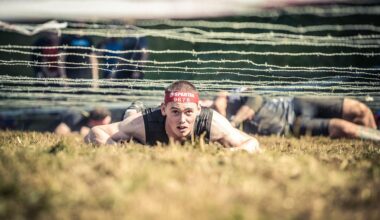

The Role of Nutrition in Achieving Top OCR Race Results
Nutrition is a fundamental component for improving performance in obstacle course racing (OCR). Athletes compete at high intensities, making it essential to have optimal nutrition tailored to their needs. Proper nutritional strategies can enhance endurance, strength, and recovery for runners facing a multitude of challenges on the course. The key lies in understanding how to cater to the body’s energy requirements during training sessions and competitions. For example, incorporating carbohydrates will provide quick energy sources for sprints, while proteins are crucial for muscle repair post-race. Incorporating healthy fats also provides energy but requires more time for digestion. Hydration plays an equally vital role in maintaining performance. It aids in digestion, temperature regulation, and nutrient absorption, critical for sustaining energy and stamina needed for an OCR event. An athlete’s performance can dramatically decline if they experience dehydration. Therefore, controlling both liquid and electrolyte intake becomes necessary to optimize performance. In summary, these nutritional elements form the foundation upon which OCR athletes can build their success and achieve their personal best times.
Carbohydrates: The Primary Fuel Source
Carbohydrates are the primary fuel source for high-intensity activities like OCR racing. They provide glucose, which the body efficiently burns for energy during strenuous exercise. Engaging in long-distance running or rigorous obstacle courses can deplete glycogen reserves, making it crucial to replenish them before and after events. Athletes should focus on complex carbohydrates such as whole grains, fruits, and vegetables, as they release energy slowly and sustain energy levels longer. Intaking carbohydrates in the 48 hours leading up to a race enhances performance significantly. Additionally, athletes should consume carbohydrates during the race to maintain energy levels throughout. This might include energy gels, sports drinks, or fruit. Post-race, refueling with carbohydrates aids in muscle recovery. This becomes essential for athletes training for multiple events or training frequently. Balancing carbohydrate intake with protein allows athletes to recover fully and be ready for the next challenge. Hence, carbohydrates are not just a dietary element; they are a vital aspect of an athlete’s training regimen that enhances endurance and supports performance in OCR events.
Proteins are essential for muscle recovery and growth. Athletes in OCR require robust muscles to navigate obstacles effectively, making protein intake crucial for their nutrition plan. While carbohydrates fuel performance, proteins repair damaged tissues post-race. A balanced diet rich in quality protein sources, such as lean meats, eggs, dairy, legumes, and plant-based proteins, can greatly benefit OCR competitors. At least 15-25 grams of protein should be consumed after intense workouts to stimulate muscle protein synthesis. By incorporating a high-protein meal or shake following exercise, athletes effectively support their recovery process. Timing of protein intake is equally as important, as spreading meals evenly during the day allows for better absorption and utilization. Additionally, consuming protein-rich snacks before races or workouts can also enhance performance, providing necessary amino acids to the muscles. Some research suggests that combining carbohydrates with protein after an event optimizes recovery further, replenishing glycogen stores while aiding muscle repair. Ultimately, the right protein strategy can set OCR athletes apart, ensuring they are ready for any challenge or competition ahead.
Healthy fats, often overlooked, are essential in the diet of obstacle course racers. Unlike carbohydrates and proteins, fats provide long-lasting energy, particularly useful for endurance athletes during prolonged efforts. They assist in absorbing fat-soluble vitamins and are critical in hormone regulation. Suitable sources of healthy fats include avocados, nuts, seeds, and olive oil. These fats can enhance satiety, preventing gaps in nutrition during long training sessions or races. However, timing and portion control are vital. Consuming fats too close to an event can cause digestive discomfort. Instead, they should be incorporated into daily meals to ensure overall energy balance. These nutritional strategies help maintain sustained energy levels, crucial for obstacle flexibility. For example, incorporating fats into breakfast can provide lasting energy throughout morning training sessions. Furthermore, omega-3 fatty acids offer anti-inflammatory benefits that aid recovery, making them an excellent addition to an OCR athlete’s diet. Therefore, healthy fats play a vital role in sustaining energy, providing nutrients for optimal performance and ensuring a complete diet necessary for peak performance in OCR races.
Hydration: The Key to Endurance
Hydration is essential for optimal performance in obstacle course racing. Water comprises a significant component of muscle mass and influences temperature regulation, endurance, and performance overall. OCR athletes must prioritize hydration before, during, and after races to prevent fatigue and dehydration, which can greatly affect results. It is recommended that athletes drink at least 17-20 ounces of water two hours before an event, while continuing to hydrate during the race. Sports drinks containing electrolytes can replenish sodium and potassium lost during sweating, helping maintain performance. Hydrating during training sessions is equally as important, allowing athletes to monitor their fluid loss and adapt accordingly. Additionally, electrolytes can help athletes avoid cramping, a common but preventable issue in OCR. Including electrolyte drinks or gels during long workouts or races can optimize hydration. Monitoring urine color before and after training provides valuable feedback on hydration levels. By prioritizing hydration strategies, OCR athletes will prevent fatigue and sustain their performance capabilities throughout intense events and training periods, ultimately improving their race results and overall physical well-being.
Meal timing is another essential aspect of an OCR athlete’s nutrition plan. Strategic meal planning enhances performance and recovery during and after training and races. Athletes should aim to consume a balanced meal 2-3 hours before an event, focusing on carbohydrates, proteins, and healthy fats for sustained energy. This meal provides fuel and ensures optimal digestion, preventing discomfort during competition. Post-race, enjoying a recovery meal or snack within 30 minutes aids muscle recovery by replenishing lost nutrients. Incorporating carbohydrates and protein into this meal boosts recovery, ensuring readiness for the next session. Additionally, small snacks during long training sessions help maintain energy levels throughout, allowing for consistent training and performance. The timing and content of meals can directly influence athletic outcomes. Additionally, understanding individual preferences and tolerances is vital in meal planning, as some athletes may respond differently. By addressing meal frequency and timing in training sessions and events, OCR athletes position themselves for success and improved race results, experience significant performance benefits alongside optimal recovery.
The Impact of Supplements in OCR
Supplements can be a valuable addition to an OCR athlete’s nutrition strategy, supporting performance and recovery. However, it is crucial to approach supplementation with caution, focusing on evidence-based choices. Some popular supplements among OCR racers include branched-chain amino acids (BCAAs), protein powders, and pre-workout formulas. BCAAs may improve endurance and decrease muscle soreness, allowing athletes to train more effectively. Furthermore, protein powders can aid in meeting daily protein requirements, especially when food sources are insufficient. Pre-workout supplements often provide energy-boosting ingredients such as caffeine, enhancing mental focus and performance. However, athletes should be mindful of the dosage to avoid adverse effects. It’s essential to conduct thorough research or consult with a sports nutritionist to ensure the effectiveness and safety of these supplements. Additionally, supplements should not replace whole foods but rather complement a well-rounded diet. Focus first on nutrition through food, then consider supplements to address specific needs. Ultimately, supplements can support an OCR athlete’s goals when used correctly, enhancing performance and aiding successful outcomes in OCR races.
Adopting a holistic approach to nutrition is key for OCR athletes aiming for success. This means balancing macronutrients, ensuring adequate hydration, and timing meals correctly. Understanding individual needs through trial and assessment leads to personalized nutrition strategies boosting performance levels. Documenting food intake and performance metrics, for example, allows athletes to identify what works best for their bodies. Continuous refinement of dietary habits and choices can optimize energy levels during training, ultimately improving racing performance over time. Developing approaches tailored to personal preferences would ensure consistency and adherence to the nutrition strategy. Athletes need to support their physical efforts through mental fortitude. Establishing and maintaining healthy habits in their diet becomes a challenging yet rewarding journey. Many athletes find that the right nutrition can provide a competitive edge, resulting in improved performance results. As OCR continues to grow, focusing on nutrition will become increasingly essential for athletes wanting to excel. In conclusion, well-planned nutrition not only enhances overall performance but also fosters a positive lifestyle tailored to the demands of OCR racing.