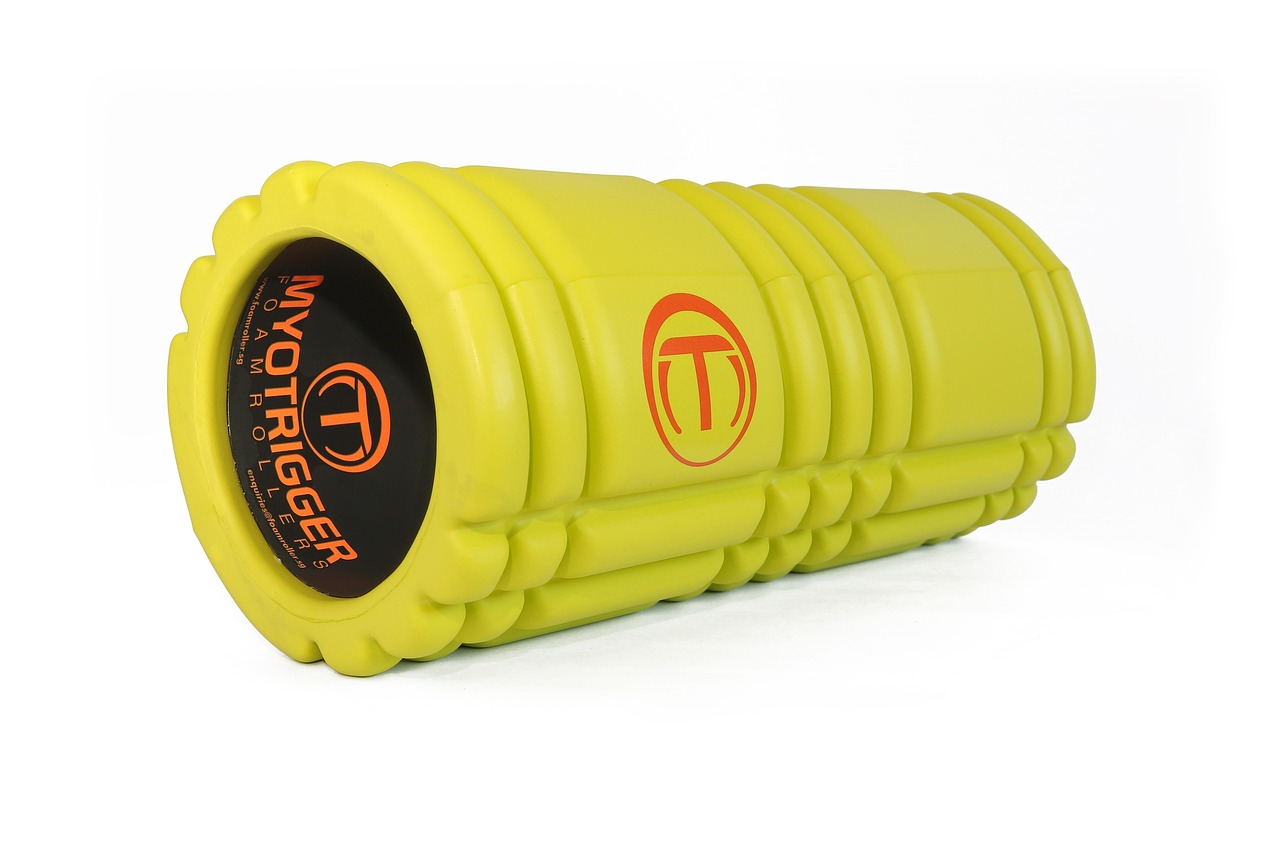

How to Incorporate Foam Rolling into Your Daily Routine
Foam rolling is an effective tool for enhancing fitness and recovery. As you seek to integrate foam rolling into your daily routine, proper techniques are essential. Begin by selecting quality foam rollers that suit your fitness level and address personal needs. Consider different densities and sizes to ensure a comfortable fit. For beginners, a softer foam roller can be much more forgiving compared to a firmer one. Gradually increase rolling duration and pressure as your muscles adapt to avoid discomfort or injury. For those unfamiliar, there are numerous resources available online, such as instructional videos and articles explaining various techniques. Learning how to roll effectively can yield better results, improving mobility and overall performance during workouts. Watch videos to enhance your understanding, ensuring that you target muscle groups correctly while adhering to proper posture and technique.To track your progress, consider timing your sessions or employing a training log. Remember to listen to your body while rolling, and ensure that you don’t roll over joints or areas with acute pain. Ultimately, integrating foam rollers into your routine can elevate your fitness experience significantly.
Including foam rolling in your post-workout routine is beneficial for recovery. After an intense workout, your muscles may feel tight or sore. Foam rolling helps alleviate muscle tension and improves blood circulation. This increased blood flow enhances nutrient delivery to muscles, aiding quicker recovery and reducing soreness. Try targeting major muscle groups such as your legs, back, and arms after exercise sessions. Spend a few minutes working on each group by rolling slowly back and forth over the foam roller. Adjust your body position to target specific areas, especially those that feel tight. Maintain a steady rhythm and focus on breathing while rolling to promote relaxation. Another approach is to incorporate foam rolling into your warm-up routine before workouts. Rolling out your muscles prior to exercising prepares them for the upcoming movements, potentially improving performance and decreasing the risk of injury. It serves as an excellent way to increase flexibility and range of motion, which can benefit various physical activities from running to strength training. Keep in mind the importance of consistency – aim to practice foam rolling regularly to ensure optimal results and muscle recovery.
Understanding the Benefits of Foam Rolling
Foam rolling offers multiple benefits that extend beyond just muscle recovery. One crucial benefit is its ability to reduce muscle soreness after intense workouts. This occurs because foam rolling breaks down knots in muscles, also known as muscle adhesions. These knots can lead to discomfort and restricted movements. By regularly foam rolling affected areas, you encourage healing, which can alleviate soreness over time. Additionally, foam rolling contributes to improved flexibility. Increased flexibility results from enhanced blood flow and the mechanical effect of rolling. It helps muscles become more pliable, enabling better athletic performance. Another significant advantage is stress relief. Foam rolling can serve as a self-massage technique, providing a sense of relaxation and helping disperse lactic acid buildup after strenuous activity. This can be particularly beneficial for athletes or anyone physically active. Regular foam rolling can also enhance posture by loosening the muscles surrounding the spine and shoulders. Through consistent practice, you can achieve better alignment over time. Therefore, incorporating foam rolling into daily routines not only aids recovery but also contributes holistically to overall well-being.
To maximize the effectiveness of foam rolling, utilize best practices tailored to your fitness goals. First, dedicate ample time for each session, ideally spending at least 10–15 minutes. This allows for deeper muscle penetration and more targeted work on problematic areas. If you encounter a particularly tight area, hold pressure on the spot for 30 seconds or longer until the discomfort subsides. It’s essential to stay hydrated before and after foam rolling. Proper hydration enhances the recovery process and helps flush out toxins released during the session. Consider integrating dynamic stretches prior to rolling, as they can prepare your muscles for the after-effects of foam rolling. After rolling, static stretching can further enhance flexibility and prevent tightness. A helpful strategy is to create a foam rolling schedule based on your weekly workout plan; this can assist in ensuring you’re actively prioritizing recovery in your overall fitness routine. Make adjustments based on specific needs or experiences to find what works best for you. Choosing the right foam roller for your needs is key to successfully integrating foam rolling into your regimen.
Foam Rolling for Specific Muscle Groups
When practicing foam rolling, focusing on specific muscle groups can lead to targeted recovery. Your hips and lower back are areas that often hold tension; therefore, prioritize these muscles during rolling sessions. When addressing the quadriceps, position the foam roller under your thighs and support yourself with your arms. Roll slowly from your hip down to your knee to target tightness effectively. Similarly, for the hamstrings, position the roller under the back of your thighs, employing your arms to shift weight. As you roll, adjust your body angles to focus on different tight spots. Your calves also deserve attention, given their involvement in numerous physical activities. Sit on the ground, placing the foam roller beneath your calves, and roll out any tightness. Ensure to incorporate stretching after working on these muscle groups. Also, consider focusing on your upper back and shoulders; these areas often accumulate tension, particularly if you spend long hours sitting. Gently foam roll these areas by placing the roller between your shoulder blades and leaning back, enabling the roller to massage the muscles effectively.
Incorporating foam rolling does not necessitate much equipment, making it ideal for anyone interested in fitness. A standard foam roller is compact and portable, allowing for use at home, the gym, or even while traveling. Additionally, there are various foam roller types available, including vibrating models, which offer deeper tissue penetration for a unique experience. Vibrating rollers often help alleviate muscle knots and relieve soreness more effectively than traditional foam rollers. During your sessions, incorporate a variety of rolling techniques. You may choose to perform moving rolls, where you slowly glide across a muscle group, enhancing blood flow. Alternatively, localized pressure can be beneficial, where you pause on a particularly tight area to allow the tension to release. Start slow and shift to varying pressures as you adapt. Engaging with foam rolling is a long-term commitment, so stay consistent and patient with your practice. Document your progress and reflect on improvements you experience over time. Ultimately, foam rolling is an investment in your physical health that pays dividends through enhanced performance and overall recovery.
Conclusion: Consistency is Key
To re-evaluate the topic of foam rolling, consistency is paramount as you seek to reap its benefits. It’s not merely a weekend practice; daily or weekly rolling sessions will yield optimal results. Aim to integrate foam rolling at least three times a week for comprehensive benefits. Establish a routine that aligns with your schedule, whether post-exercise or as a standalone practice. As you implement foam rolling, it’s essential to listen to your body. Pay attention to any discomfort or areas of tightness and adjust your routine accordingly. Regularly check your foam roller for wear and tear. A damaged roller won’t deliver effective results and can cause discomfort during use. Additionally, share your foam rolling journey with friends or fellow gym-goers for added motivation. Engaging in conversations about techniques or experiences can enrich your practice further. Ultimately, the key to successfully incorporating foam rolling into your daily routine rests on commitment and dedication. Embrace the journey of regularly rolling, and enjoy the countless benefits that support your body’s active lifestyle and well-being.