
Healing Touch Therapy for Supporting Post-Surgical Recovery in Athletes
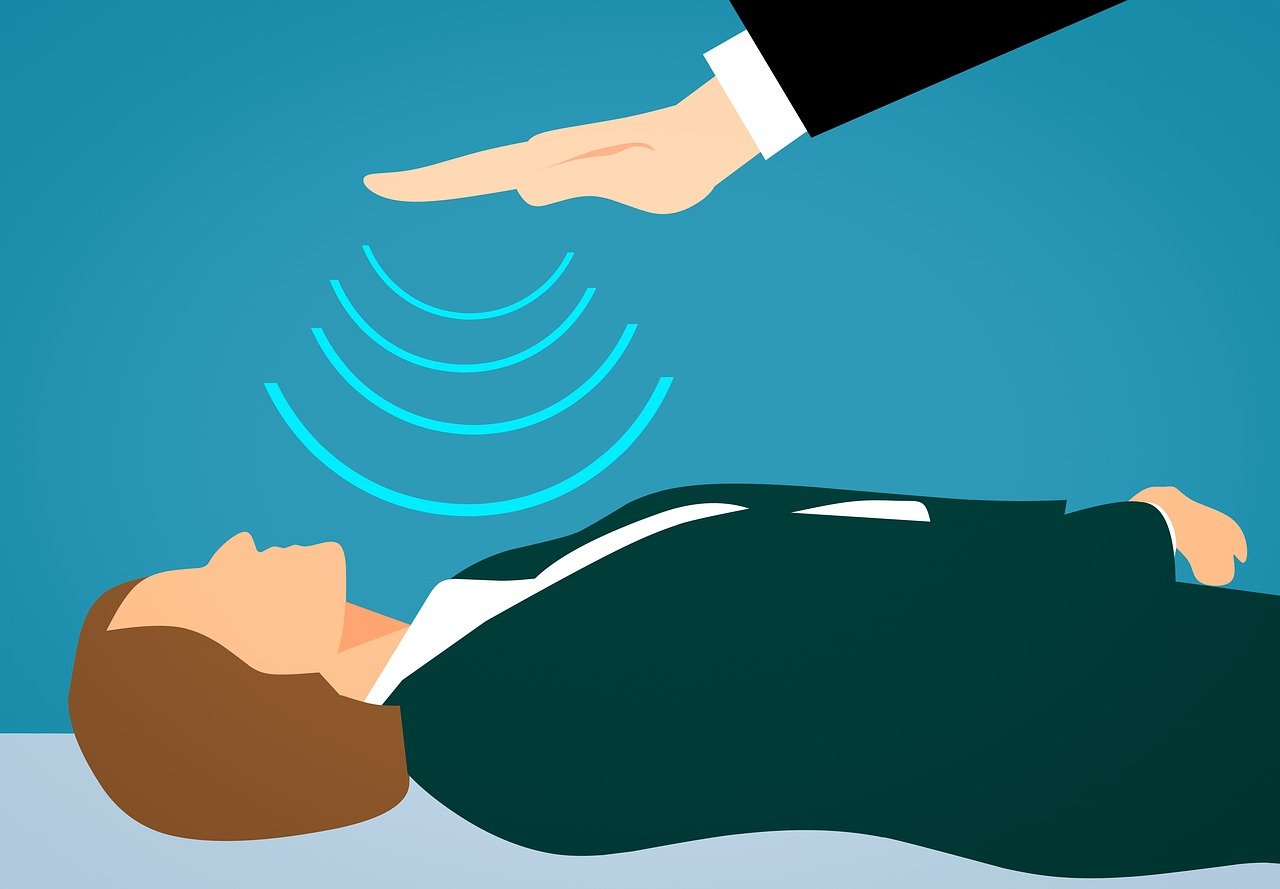
Healing Touch Therapy is a complementary practice that focuses on the mind-body connection to promote healing and recovery. Athletes undergoing surgery often face various challenges during their recovery process, and incorporating Healing Touch can enhance their overall experience. This gentle, non-invasive therapy employs light touch or near-body techniques to balance energy levels and help alleviate pain and anxiety. The method assists athletes in reestablishing a sense of wellness, which is vital for optimal recovery. Research suggests that Healing Touch can reduce stress, lower blood pressure, and boost immune responses, all beneficial for athletes aiming to recover quickly and return to their sport. Furthermore, the therapy nurtures an environment of relaxation, allowing athletes to engage mentally as well as physically, preparing them for rehabilitation. Establishing this harmony between mind and body can elevate the athlete’s motivation and enhance their mental resilience. In short, Healing Touch Therapy serves as an effective tool in a holistic approach to post-surgical recovery, ultimately leading to improved healing outcomes. Hence, exploring this therapy can be essential for those looking to integrate mind-body modalities into their rehabilitation.
After surgery, athletes often experience physical discomfort, emotional stress, and altered mental states. Healing Touch Therapy offers an effective method to address these concerns through its focus on energy flow within the body. This therapy aims to touch the energy fields surrounding the body, reinforcing both psychological and physiological aspects of healing. For post-surgical recovery, maintaining a positive mental atmosphere can greatly influence physical recuperation. Athletes who embrace Healing Touch often report feeling more grounded and centered. Consequently, they may find it easier to cope with pain and anxiety that may hinder their recovery journey. Besides alleviating discomfort, it can also nurture a greater sense of empowerment over one’s health. The importance of mental support cannot be overestimated; a solid mental state is crucial for adherence to rehabilitation protocols and avoiding setbacks. Incorporating Healing Touch Therapy not only aids in managing post-surgical pain but also enhances emotional well-being. Athletes who have undergone such therapy frequently describe feelings of increased relaxation and confidence in their body’s ability to heal. Effective healing transcends the physical realm, making this therapy an invaluable addition to conventional post-surgical care strategies.
The Science Behind Healing Touch
The mechanisms of Healing Touch Therapy involve manipulating the energy field around the body, promoting healing at various levels. Studies have established that energy healing promotes relaxation and reduces distress among surgical patients. This therapy has shown to have physiological effects, including reduced heart rate, improved oxygenation, and diminished stress hormones. Athletes who engage in this practice may experience lower levels of cortisol, which can hinder recovery if elevated for prolonged periods. Furthermore, by promoting blood circulation, Healing Touch can facilitate the delivery of vital nutrients necessary for healing. In addition to physical benefits, the therapy provides an emotional sanctuary wherein athletes can express feelings around their surgical experience. They often find solace in the caregiver’s presence, further enhancing the healing process. Understanding the scientific basis of Healing Touch helps practitioners combine it with other therapeutic strategies effectively. Consequently, integrating Healing Touch into traditional recovery protocols can optimize athletes’ healing potential. Additionally, this holistic approach aims to address both the body’s physical needs and the mind’s emotional toll, ensuring complete recovery. This balance ultimately fosters long-term well-being, enabling athletes to return to competition with renewed vigor.
Cultivating a heal-focused mindset post-surgery is crucial for athletes aiming to return to their sports. Healing Touch Therapy encourages visualization, which can enhance athletes’ mental engagement during recovery. Visualization techniques involve imagining the healing process, envisioning the body repairing itself, and believing in the possibility of full recovery. Athletes often benefit from mental imagery coupled with the physical healing provided by therapies like Healing Touch. This combination not only nurtures the physical body but also empowers the mind. Athletes are encouraged to set realistic recovery goals and celebrate small victories during the healing journey. Adopting an optimistic perspective can significantly affect progress, leading to improved performance during rehabilitation. By integrating Healing Touch practices into daily routines, athletes can ground themselves during recovery. These methods promote emotional resilience, making it easier to cope with the challenges ahead. Therefore, creating a personal plan that incorporates both motivational practices and physical therapies can be highly advantageous. In conclusion, nurturing both the body and mind is essential in maintaining focus throughout the recovery process. Healing Touch Therapy stands as a pillar supporting this dual focus, fostering a vibrant, energized approach to healing after surgery.
Creating a Healing Touch Environment
Establishing an optimal environment for Healing Touch Therapy significantly contributes to its efficacy. Athletes recovering from surgery should consider integrating specific elements that encourage relaxation and peace. This environment might include elements such as comfortable seating, gentle lighting, and calming aromatherapy. By making the space feel welcoming and safe, athletes can more readily engage with the healing process. Essential oils like lavender and chamomile can promote relaxation and further deepen the therapeutic experience. Additionally, choosing calming instrumental music can enhance the overall ambiance, creating a soothing background for the session. Maintaining a clutter-free space ensures that distractions are minimized, allowing athletes to devote their full attention to the therapy. It’s also essential to communicate openly with the therapist to establish trust, enhancing the connection during the sessions. Athletes can also engage in mindful breathing exercises to further ease into the Healing Touch practice, ensuring they maximize the benefits. This dedication to cultivating a healing environment underscores the personalized approach athletes should take when utilizing Healing Touch. Optimal settings not only enhance relaxation but also facilitate better energy flow, ultimately leading to a more efficient healing experience throughout recovery.
During post-surgical recovery, athletes are often encouraged to adopt various complementary therapies alongside medical care. Healing Touch Therapy fits seamlessly into rehabilitation programs, complementing surgical recoveries in impressive ways. This therapy helps to manage pain, enhance relaxation, and bolster overall healing. Many athletes incorporate Healing Touch therapy sessions into their weekly routine, combining professional treatment with at-home practices. Training on self-administered techniques helps athletes take control of their recovery experience, nurturing awareness of their energy fields. Such empowerment can inspire quick recovery while reducing reliance on pharmaceuticals that may impede athletic performance. In turn, they activate a self-care routine supportive of both physical and emotional health. Furthermore, Healing Touch can be integrated into rehabilitation settings, providing holistic care that medical professionals increasingly recognize as beneficial. This integration reflects a growing acceptance of alternative healing methods in conventional medical paradigms. As athletes become attuned to their body’s needs, they can more effectively support their recovery journeys. Collaborative efforts between Healing Touch practitioners and sports medicine professionals can yield optimal recovery pathways tailored for individual athlete needs post-surgery.
Success Stories and Testimonials
Many athletes who have embraced Healing Touch Therapy report transformative outcomes throughout their post-surgical journeys. Testimonials share not only physical healing experiences but also emotional recoveries. Some athletes express feeling a deeper connection to their bodies, noticing positive shifts in their mental health alongside physical improvements. These athletes describe reduced anxiety levels and a stronger belief in their bodies’ ability to heal. Such stories reveal how Healing Touch offers more than just physical benefits; it fosters a holistic recovery process. Athletes in various sports report enhancements in motivation and focus, attributing their positive mindsets to Healing Touch experiences. They often advocate for the therapy, encouraging their peers to explore its benefits. Sharing their journeys can inspire others who may be skeptical or uncertain about alternative therapies. As awareness increases, it is crucial for athletes and medical professionals to recognize experienced advocates willing to share their success stories. By doing so, they contribute to the integration of mind-body modalities into conventional recovery approaches. Overall, these success stories not only celebrate individual journeys but also continue to broaden the understanding of Healing Touch as a valuable recovery option in sports medicine.
As more athletes explore the potential of Healing Touch Therapy, the future of post-surgical recovery looks promising. Ongoing research and anecdotal evidence continue to support the benefits of incorporating this holistic approach into athletic recovery strategies. Practitioners work collaboratively with medical professionals to establish guidelines that enhance athlete well-being. Healing Touch Therapy is becoming part of rehabilitation protocols for various sports, emphasizing the importance of addressing both body and mind. Continuous education on the efficacy of energy therapies ensures that both athletes and healthcare providers are informed. Workshops, seminars, and athletic training programs increasingly include teachings about Healing Touch. As awareness grows, more athletes are likely to seek these services, advocating for their inclusion within traditional healthcare settings. The emphasis on a mind-body connection is becoming more prominent, reshaping how recovery is approached. By valuing both physical and emotional aspects of healing, athletes can expect more efficient healing pathways. Ultimately, each athlete’s recovery journey should prioritize personalization, optimizing healing through collaborative efforts. Enthusiasm around Healing Touch continues to expand, paving the way for future advancements and deeper understandings in sports injury rehabilitation.