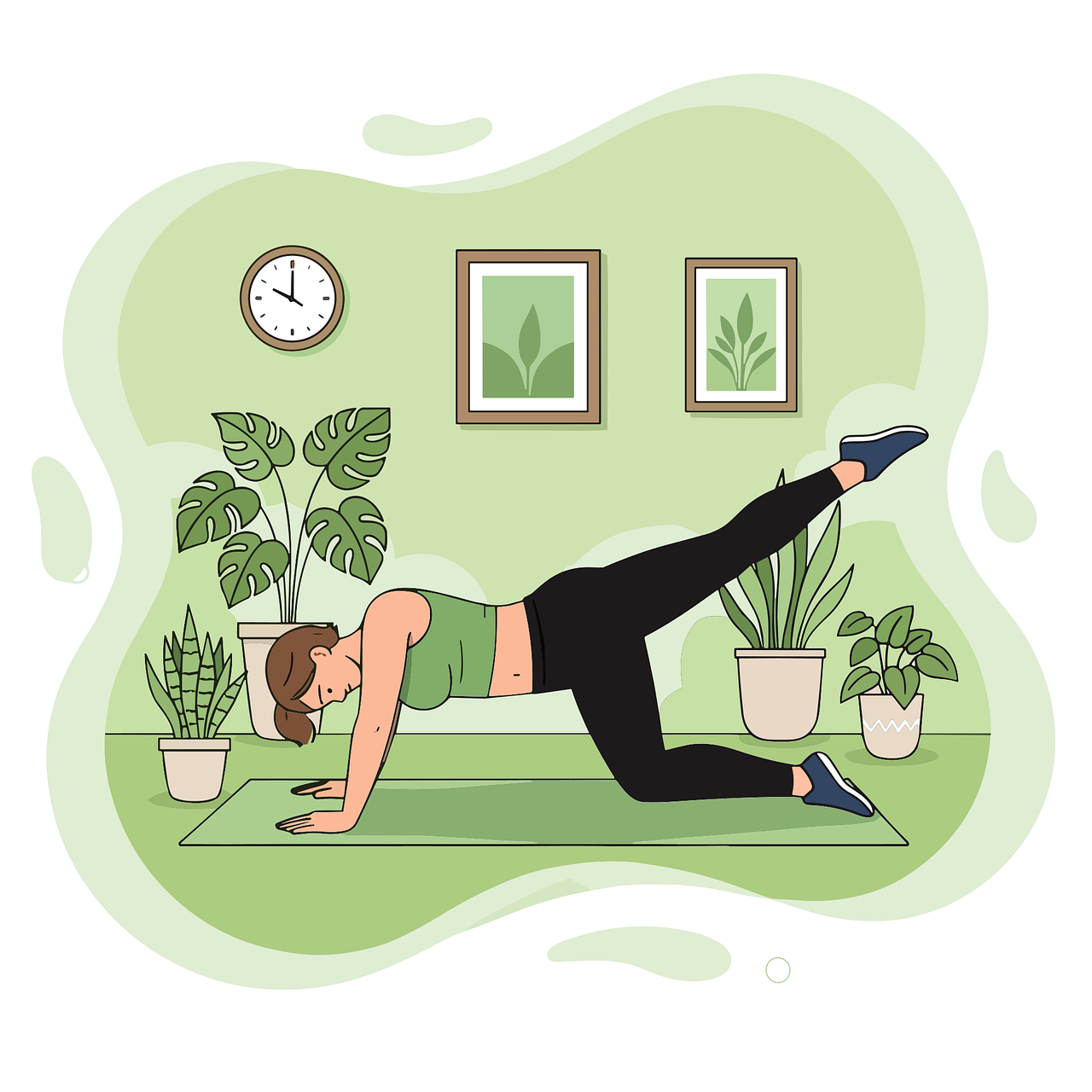

How Caffeine Affects Your Home Workout Energy Levels
Caffeine is a well-known stimulant that can significantly enhance workout performance. Mainly found in coffee and energy drinks, caffeine can provide a range of benefits for individuals engaging in home workouts. When consumed, caffeine increases adrenaline levels, which improves your physical performance. Increased adrenaline helps you push harder during exercise routines, boosting your endurance and strength levels significantly. It can also minimize fatigue, enabling you to exercise for longer periods without feeling worn out. Moreover, caffeine can improve your focus, allowing you to concentrate on your workout movements more effectively. However, familiarity with your own body and response to caffeine is vital since everyone reacts differently. You must also consider appropriate dosage, as excessive caffeine can lead to jitters or stomach discomfort. Consequently, you should begin with a lower dosage to gauge your tolerance. For many, a cup of coffee approximately one hour before exercising is suitable to enhance energy levels. Understanding the timing and dosage of caffeine consumption will help maximize the benefits during your home workout routine.
Another critical aspect of caffeine’s influence lies in its metabolic effects. Research indicates that caffeine can help boost your metabolic rate, which may promote fat burning during and after workouts. This thermogenic effect is particularly beneficial for those looking to lose weight or improve body composition. Increased metabolism allows your body to convert food into energy more efficiently, providing more fuel for workouts. An enhanced ability to burn fat contributes significantly to endurance, as fatty acids become more readily available for energy production. Importantly, this process is supported by caffeine’s ability to mobilize fat stores and use them as energy. This means that during your workout, you’re likely utilizing stored fat to sustain your energy levels rather than solely relying on glycogen from carbohydrates. Additionally, the increased fat oxidation can lead to a better balance of nutrients in your diet. Keeping this in mind, incorporating caffeine into your pre-workout regimen could aid in achieving your fitness goals. By boosting metabolic rates and optimizing fat burn, caffeine can serve as an excellent ally in your home workout nutrition plan.
Timing Your Caffeine Intake
The timing of caffeine consumption is crucial for maximizing its benefits in your workout routines. To optimize its effects, aim to consume caffeine about 30 to 60 minutes before starting your workout. This allows time for your body to digest and absorb caffeine, ensuring that you experience its full effects during exercise. Research has shown that caffeine reaches peak levels in the bloodstream roughly 60 to 90 minutes after intake. At this peak, physical capabilities are heightened, enabling improved performance and energy levels. However, for some, caffeine might be effective even sooner; testing its impact can help personalize the timing for your workouts. Additionally, avoid consuming caffeine too close to your expected bedtime, as it can disrupt sleep quality. Adequate sleep recovery is essential for any workout regimen, so balance your caffeine timing with your overall health. Always listen to your body and adapt your caffeine intake based on individual tolerance and workout schedules. By fine-tuning your caffeine consumption to align with your exercise routine, you can harness its potential fully.
Another consideration when utilizing caffeine is hydration levels. Caffeine has known diuretic properties, which can lead to increased urine output. While this effect varies among individuals, it’s essential to monitor your hydration state, especially during home workouts. Dehydration can hinder performance and recovery post-exercise, potentially negating the advantages provided by caffeine. Therefore, it’s advisable to complement your caffeine intake with sufficient fluids throughout the day. This practice includes drinking water before, during, and after your workouts. Additionally, consider incorporating hydrating foods into your meals, such as fruits and vegetables, to help maintain hydration levels. Hydration doesn’t just support energy levels; it also helps regulate body temperature, preventing overheating during exercise. By bolstering hydration in conjunction with caffeine consumption, you will enhance performance during your home workouts and support overall well-being. Ensuring a well-rounded approach that balances caffeine benefits with hydration will be instrumental in achieving optimal workout results.
Caffeine Sources for Home Workouts
Caffeine can be sourced from various beverages and supplements available on the market. Coffee is the most popular choice, with both brewed and espresso varieties providing significant caffeine content. On average, an 8 oz cup of coffee can contain around 95 mg of caffeine, making it effective for pre-workout energy boosts. If you prefer a quicker option, energy drinks offer several choices, though they often contain added sugar and stimulants. Reading labels to ensure appropriate caffeine levels is crucial when selecting energy drinks. Additionally, caffeine supplements, such as pills or powders, can provide precise dosages if you’re looking for a more controlled intake. These dietary supplements are convenient options without additional calories. However, they should be taken with caution, as improper dosing can lead to side effects. Always consult with a healthcare professional when introducing new supplements. Ultimately, your selected source of caffeine should align with your personal preferences and overall fitness goals. Utilizing appropriate caffeine sources can elevate your home workouts, emphasizing energy and efficiency in performance.
Nutrition is an integral component of maximizing your home workout performance alongside caffeine intake. Ensuring your body is fueled with the appropriate macronutrients before exercising will complement the stimulating effects of caffeine. A balanced pre-workout meal should ideally consist of carbohydrates, proteins, and healthy fats, which provide sustained energy. Carbohydrates are crucial as they serve as the primary energy source during exercise, while protein aids in muscle repair and growth. Healthy fats assist in hormone regulation and energy production during prolonged workouts. To optimize performance, aim to blend these macronutrients within your pre-workout meal. Common examples include oatmeal with fruit, smoothies with protein powder, or whole-grain toast with nut butter. Additionally, consider the timing between consuming food and workouts; ideally, consume meals at least one to two hours before exercising. This timing allows digestion and nutrient absorption, ensuring you’re energized during your workout routine. Maintaining a comprehensive nutritional approach, fortified by caffeine, helps you thrive in your home workout journey—striving for both performance and recovery.
Conclusion: Finding Your Balance
In conclusion, caffeine can be a powerful ally in boosting your home workout energy levels when used wisely. Balancing caffeine intake with adequate hydration, nutrition, and personal tolerance is essential for maximizing its benefits. Understanding how your body responds to caffeine will enable you to tailor your consumption to improve workout performance. Test out different sources of caffeine, timing, and doses to identify what works best for you. The goal should always be to enhance your physical abilities effectively while promoting a positive workout experience. Moving forward, keep hydration levels in check, as they directly influence your overall performance. Furthermore, emphasize a nutritious diet that provides necessary fuel for your body, thereby supporting your fitness journey comprehensively. By acknowledging all aspects of your nutrition, you can create a powerful home workout regimen, turning your energy levels and performance into positive outcomes. Ultimately, both caffeine and nutrition undeniably play significant roles in achieving your fitness goals, allowing you to harness your full potential at home.
As you incorporate these strategies, always have a goal in mind. Plan your workouts and assess how you feel when integrating caffeine into your routine. By doing so, you’ll adjust your habits effectively, enabling sustained success in meeting your fitness milestones. Enjoy the journey while striving for your optimal fitness outcomes from your home workouts.