
Pilates Core Strengthening for Kids and Teens
Pilates core strengthening serves as a fantastic approach to improving overall fitness in young people. This method focuses on enhancing the strength of the core muscles, which include the abdominal, lower back, and pelvic muscles. Kids and teens often engage in a range of activities, from sports to daily challenges, which can greatly benefit from a stable core. Developing core strength assists in better posture, increased athletic performance, and reduced risk of injury. Additionally, as they grow, proper alignment and muscle balance become essential in preventing issues later in life. Incorporating Pilates into their routine can facilitate an understanding of their body mechanics. Pilates exercises are appealing because they can be adapted for different skill levels and ages. This adaptability makes it suitable for various children, from those just starting to more experienced individuals. By engaging in these exercises, young participants can learn to control their body movements, understand their limitations, and work on improving flexibility. It’s crucial to introduce these movements in a fun and engaging way to maintain their interest and enthusiasm.
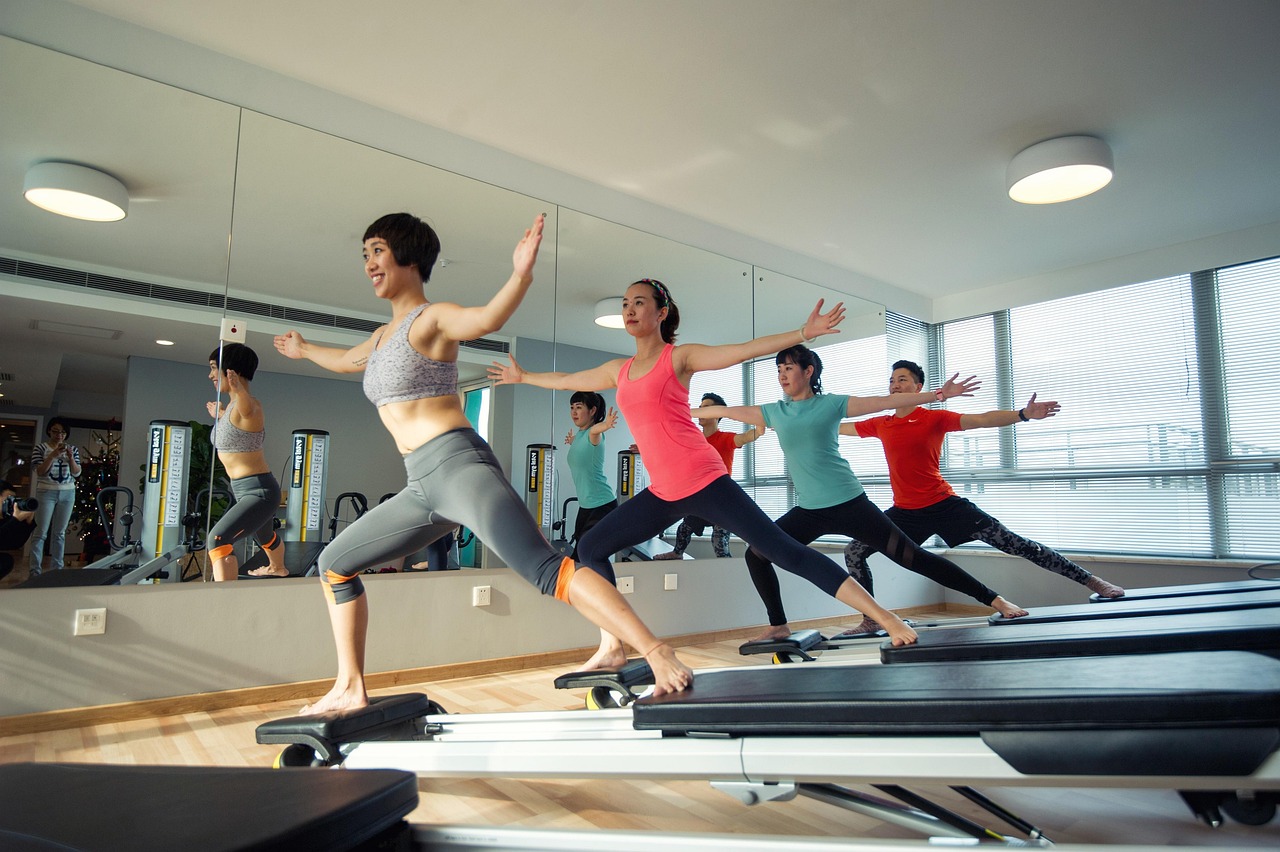
Pilates methods emphasize essential principles that benefit core strengthening for kids and teens. These principles include concentration, control, centering, precision, breath, and flow. Concentration allows individuals to focus entirely on each movement, enhancing effectiveness and efficiency. Control emphasizes the quality of movements over quantity, ensuring every exercise is performed properly. The principle of centering focuses on engaging the core muscles, providing a stable base during activities that promote movement. Precision is key to achieving desired results, ensuring that exercises are executed accurately to maximize benefits. Moreover, using breath correctly can help improve lung capacity and maintain relaxation during exercise. Lastly, flow highlights the importance of transitioning between exercises smoothly, promoting a rhythmic practice. Together, these principles create a foundation that fosters a positive Pilates experience for participants. Instruction should focus on creating a supportive and motivating environment, encouraging kids to try new movements. Their newfound skills will empower them and foster self-confidence. Moreover, engaging group classes can provide a sense of community, helping them develop friendships while learning valuable fitness skills.
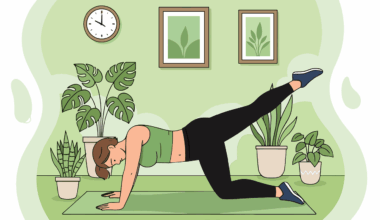
Age-appropriate Pilates exercises can significantly differ, especially when focusing on kids and teens. It’s vital to tailor workouts based on their developmental stage and physical capabilities. Young children may benefit from foundational movements like the “Pelvic Curl,” while older kids and teens can tackle advanced variations such as the “Plank” and “Side Plank.” Instruction should involve supervision and guidance to avoid injury. Working in a non-competitive environment allows participants to explore their abilities. This non-judgmental setting helps them feel secure and focus on improvement, not competition. Integrating fun exercises, such as using a fitness ball, can engage them further and cultivate a sense of playfulness in practice. For instance, balancing on a ball while maintaining core engagement turns traditional workouts into an exciting challenge. Also, incorporating breathing techniques creates a holistic experience that unifies mind and body. Perform classes that last around 30 to 45 minutes to accommodate their attention spans, maximizing focus and dedication. Consistency is vital, as regular practice can deliver significant core strength improvements over time. Gradually increase the intensity as the participants grow stronger.
Benefits of Core Strengthening
The benefits of Pilates core strengthening for kids and teens go beyond mere physical improvements. By engaging their core muscles, participants can enhance posture, which is crucial at a young age. Good posture not only improves appearance but also contributes to overall health. With a strengthened core, young individuals often experience greater stability in their athletic pursuits. This increased stability translates to better performance in sports and recreational activities. Furthermore, improved balance enables them to navigate their environment more confidently, mitigating fall risks. Core-strengthened individuals may also discover a reduction in back pain complaints, thanks to improved alignment. As they grow and develop, supporting their growing bodies becomes essential, enabling long-term well-being. Additionally, Pilates fosters a sense of body awareness that empowers young people. Such awareness translates into increased self-esteem as they see what their bodies can accomplish through practice. Overall enhancement of body control aids in various physical activities, fostering enthusiasm for fitness. By seeing positive results, participants can develop a love for movement that lasts a lifetime. This enjoyment can pave the way for continued health-oriented behaviors throughout their lives.
Parental involvement can significantly boost the benefits of Pilates core strengthening programs for kids and teens. When parents engage, they demonstrate the value of maintaining an active lifestyle, creating a positive example for their children. Parents can even join classes, creating an enjoyable family experience that promotes bonding. Participating together reinforces the importance of fitness while encouraging friendships between children and their peers. Additionally, parents can monitor progress outside organized classes, ensuring kids maintain regular practice at home. Establishing a routine can develop healthy habits early on, positively impacting their lifelong fitness journey. Encourage them to embrace Pilates in fun ways, perhaps incorporating playful challenges or motivating sessions to keep the energy high. Remember, the journey should be enjoyable; children are more likely to stick with activities they love. Family workouts can serve as excellent opportunities to strengthen relationships and share a commitment to health. Parents should cheer for their kids during practice, fostering a supportive environment filled with encouragement. This positive reinforcement builds a strong foundation for physical and emotional well-being.
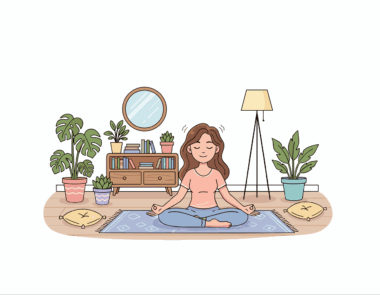
Incorporating mindfulness principles into Pilates for kids and teens can further enhance the core strengthening process. Mindfulness encourages self-awareness and promotes present-moment engagement, making it a perfect complement to Pilates practice. Young participants can benefit from focusing on their breath and movements, learning to tune into their bodies. Having them reflect on how each exercise feels will cultivate their connection with their physicality. Additionally, it promotes emotional resilience, helping them cope with stress and manage challenges better. As they learn to embrace mindfulness in class, they can adopt these skills to daily life outside the studio. Meditation as a component of their workouts can empower young students to create balanced lives. Finding quiet moments for reflection can enhance their focus during both physical activities and academic performance. Parents play a significant role in nurturing these mindfulness habits, encouraging open discussions around feelings and thoughts. The collaboration creates a stronger atmosphere for exploring Pilates while reaping the benefits of emotional well-being. Combining these elements establishes a nurturing environment focused on growth, fitness, and personal development.
Conclusion
In conclusion, Pilates core strengthening offers numerous benefits to children and teenagers. This holistic approach helps improve their physical fitness and overall well-being. By cultivating core strength, young participants gain valuable skills they can carry into adulthood. As they learn proper techniques and body awareness, they can prevent injuries, develop confidence, and foster a love for fitness. It’s essential that the practice remains engaging, focusing on enjoyment rather than strict discipline. Parents and instructors should nurture this growth by providing encouragement and showing understanding. The principles of Pilates—concentration, control, precision, and mindful breathing—serve as a foundation for building lifelong healthy habits. By fostering a supportive environment, you can assist young people in realizing their potential in fitness and emotional health. Overall, Pilates classes tailored for kids and teens effectively empower them while promoting strong community ties. After all, an engaged and enthusiastic attitude towards fitness today creates a healthy lifestyle for the future. Through consistent practice, these young individuals can feel the myriad of advantages Pilates brings, ultimately impacting their lives positively in numerous dimensions.
It’s essential to remember that every child is unique, and their experiences may differ during their Pilates journey. Tailoring approaches to suit varying abilities ensures that all participants can reap the rewards of core strengthening. Recognizing each child’s individuality, such as their interests and fitness levels, allows for an enriching and supportive experience. Continuously evaluating performance and providing constructive feedback fosters a growth mindset essential for success. Engaging kids’ interests, such as themed classes or challenges, can create excitement and stimulate motivation. Building a positive relationship with exercise encourages them to remain active throughout life. When kids enjoy movement, they’re less likely to view it as a chore, ultimately promoting long-term fitness habits. Therefore, investing time in understanding their preferences and adapting the program enhances the success of their Pilates experiences. A broad range of Pilates exercises opens the door to lifelong health and wellness benefits, nurturing their development. Be mindful and celebrate their achievements, no matter how small. Cherishing these moments strengthens relationships and embeds an appreciation for fitness into their journeys, leading to inspiring future adults.