
Balance Training Tips for Injury Prevention at Home
Balance training at home is crucial for maintaining physical fitness and injury prevention. Engaging in balance exercises can enhance your stability and coordination, vital elements for everyday activities. Start with simple exercises that anyone can perform with minimal equipment and space. One effective method is using a yoga mat or soft flooring, where you can practice standing on one leg. Begin by maintaining your balance for ten seconds, gradually increasing the duration as you improve. Another great exercise involves heel-to-toe walking along a straight line, which improves focus and coordination. Make sure to keep your posture straight and engage your core for added support. Incorporating balance exercises into your daily routine can significantly reduce the risk of falls. You can also use household items like a chair for support during your practice. However, always listen to your body and avoid pushing beyond your limits. This approach will help you develop a safe and sustainable balance training habit. Remember, consistency is crucial; aim to practice these exercises several times a week for optimal results. Maintaining balance is essential for overall physical health and independence as we age.
One effective balance exercise involves the single-leg stand. Stand next to a wall or a sturdy chair for safety. Once you are steady, lift one foot off the ground, keeping your knee bent slightly. Focus on a fixed point in front of you to help maintain your balance. Always switch legs after holding for ten seconds. To make the exercise more challenging, try closing your eyes or moving your free leg in different directions. Incorporate a variety of movements to enhance your coordination. You could even combine balance exercises with upper or lower body movements for a full-body workout. Another beneficial practice is to perform lunges, stepping forward with one leg and lowering until your front knee is aligned with your ankle. Ensure to keep your torso upright and alternate legs to promote balanced strength. If you have more experience, try adding weights to increase resistance. This way, you’ll not only work on your balance but also strengthen your muscles effectively. To keep the workouts fresh, consider changing the order of exercises. Set goals for yourself to track your progress and celebrate small milestones along the way for motivation.
Integrating Props for Enhanced Balance
Using props like resistance bands or balance boards can significantly enhance your at-home balance exercises. Resistance bands are versatile tools that can be incorporated into various workouts that target balance and strength simultaneously. For example, secure a resistance band under your foot while standing on one leg. Stretch the band by extending your arms forward for added resistance. This method engages your core and improves stability. Balance boards, on the other hand, provide dynamic instability, requiring your body to engage multiple muscle groups for balance. Start with simple rocking motions on the board to get accustomed to the movements. As your balance improves, you can perform squats or lunges on the board to increase the challenge. Another useful prop is the Bosu ball, which is half a stability ball on a base. You can stand, squat, or perform push-ups on the Bosu to engage your stabilizing muscles. When using any props, ensure you have sufficient space free of hazards. Always prioritize safety by having a sturdy support option like a wall or rail nearby. By incorporating these tools, you’ll add variety and complexity to your training sessions.
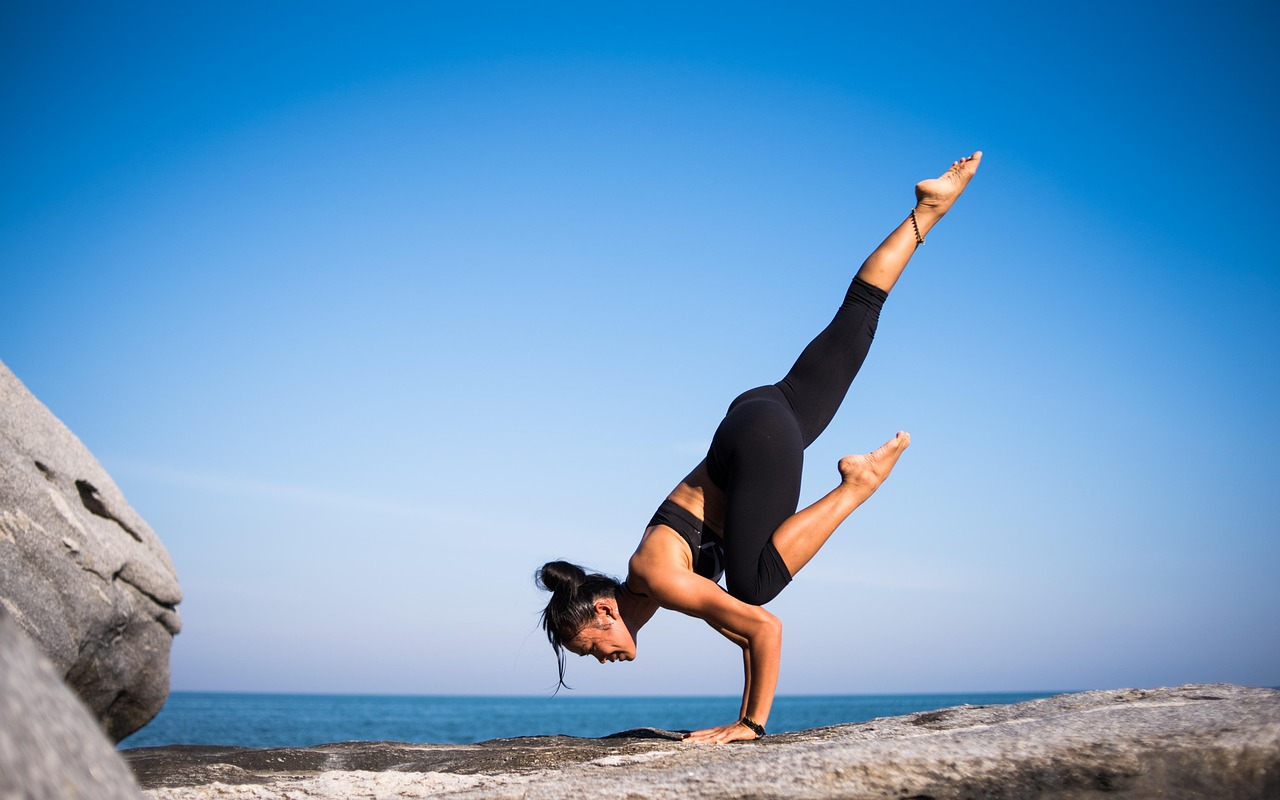
Engaging in mindfulness or balance-focused yoga can also enhance your balance training journey. Practices like tree pose or warrior III promote both mental focus and physical stability. These poses require concentration and body awareness, essential components for improving balance. Begin your yoga session with a few minutes of deep breathing to center your mind. When transitioning into the poses, focus on engaging your core and grounding through your standing leg. This centering effect can reduce stress and improve your overall balance. Additionally, consider including Tai Chi, a martial art focused on slow, flowing movements. Research has shown that Tai Chi improves balance and reduces the risk of falls, particularly in older adults. It’s an excellent option for enhancing body awareness. To get started, there are numerous online classes available suitable for all skill levels. Practicing yoga or Tai Chi regularly can supplement your home-based balance exercises. You will foster a greater connection between mind and body while building physical strength. This holistic approach can enrich your overall fitness routine and improve quality of life as well, making you feel more stable and confident.
Tracking Progress in Your Balance Training
Monitoring your progress in balance training is essential for staying motivated and making improvements. You can start by recording how long you can hold a single-leg stance, aiming to increase the duration over time. Documenting your workouts, including the types of exercises performed and repetitions, can help identify areas needing improvement. Consider using a journal or fitness app to track your progress easily. Additionally, involve friends and family in your routines for encouragement or even make it a fun challenge together. Challenges can range from who can stand on one leg the longest to a competition completing different balance exercises. Celebrate milestones like achieving a new personal best; this recognition can motivate you to keep going. You might also want to take periodic videos of your practice to visually assess your form and technique. This method can highlight specific areas to improve upon, which is a crucial aspect of balance training. If after some time, you feel comfortable, try incorporating more complex movements into your workouts to continue pushing yourself. By tracking your progress, you’re likely to see noticeable improvements in your balance and overall fitness.
As you explore various balance exercises, ensure that you take safety precautions to prevent injury. Start with a proper warm-up to increase blood flow and prepare your muscles. Dynamic stretches focusing on legs and back can help prevent strains. Ensure your training environment is safe—remove obstacles or clutter that might impede your movements. Wear proper footwear; shoes that provide adequate support and grip can significantly impact performance. When you first begin your balance training, consider practicing on non-slippery surfaces to avoid falls. If you find any exercise too easy or difficult, don’t hesitate to adjust your practice accordingly. Listening to your body is key to safe training. Always remember to cool down after your workouts to relax muscles and reduce soreness. Staying hydrated is also very important during your exercise routines. As balance training becomes part of your lifestyle, you’ll naturally adapt and develop more confidence in your abilities over time. Stay consistent, and be patient with yourself as balance gains can take time to manifest. A safe and structured approach is essential for reaping the long-term benefits.
Conclusion: The Importance of Balance Training
Balance and coordination exercises are essential for promoting physical fitness and reducing injury risks. With regular practice at home, you can build strength, flexibility, and confidence in your movement. Focus on a mix of basic and advanced balance exercises that challenge your abilities while being mindful of safety. Remember that an enjoyable approach to exercise is crucial for adherence, so keep your workouts fresh by integrating different movements, props, or even styles. Yoga and Tai Chi are just two examples of enjoyable methods you might consider. They also foster mental resilience, an essential component of effective training. Celebrate your successes, progress, and milestones along the way; keeping a positive mindset can significantly impact motivation and persistence. If you’re ever unsure about a movement, consult with a professional for guidance. Finally, the best part about balance training is that you can do it at home, whenever you have the time. Aim to fit in at least two to three sessions per week for optimum training benefits. Through conscious effort and commitment, you’ll bolster your balance and coordination, leading to a healthier, more sustainable lifestyle.
In summary, enhancing balance through home-based exercises is essential for overall health and wellness. It isn’t just about avoiding falls; it’s about empowering yourself to lead an active and fulfilling life. Integrating balance training into your routine yields numerous benefits, including improved posture, greater flexibility, and stronger muscles. Remember that consistency is key; regular practice can yield long-lasting improvements in your ability to maintain stability. In addition to the physical advantages, balance workouts can also contribute to enhanced mental focus and mindfulness. Consider recruiting a workout buddy to make your sessions more engaging and motivating. Take time to explore different movements and find out what you enjoy most. Engaging in training routines that spark your interest will help sustain your commitment and enhance overall progress. As you journey through your balance training, aim to set realistic and attainable goals to guide your practice further. Be patient and be kind to yourself while learning and adjusting. Embrace the process, and you’ll likely discover newfound abilities that enhance not only your balance but your entire approach to physical fitness.