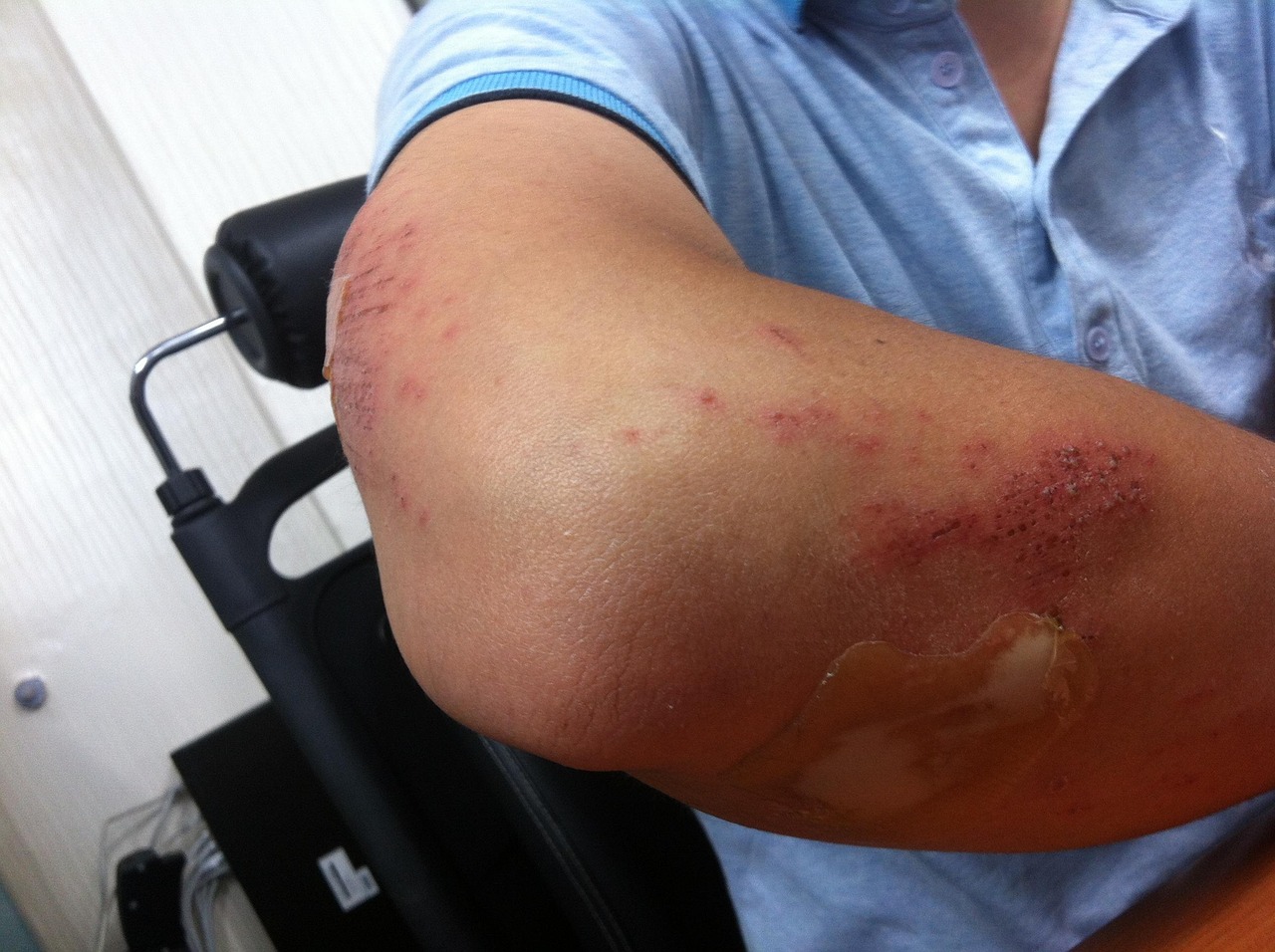

How to Treat and Prevent Elbow Injuries in Kickboxing
Kickboxing, a dynamic and demanding sport, often results in elbow injuries due to the high-intensity nature of its movements. Elbow injuries can range from minor strains to severe injuries, impacting a fighter’s performance significantly. Understanding how to treat and prevent these injuries is crucial for kickboxers at all levels. Common elbow injuries include tendonitis, sprains, and fractures, all of which can be caused by repetitive stress or sudden impact. Proper technique and conditioning are essential in avoiding these injuries. It’s vital for kickboxers to work on strengthening their forearm muscles and maintaining flexibility in their joints. An injury can sideline a fighter, affecting both physical and mental aspects of their training. Recognizing the early signs of injury, such as pain, swelling, or limited motion, is crucial. Once identified, focusing on effective treatment options can expedite recovery. In the subsequent sections, we will delve deeper into specific treatment methods and preventative strategies, ensuring that you can stay healthy and in the ring longer. Investing time in self-care and proper technique will yield long-term benefits in your kickboxing journey.
Recognizing Elbow Injuries in Kickboxing
Identifying elbow injuries promptly can prevent further complications and downtime. Many kickboxers don’t realize the signs of an elbow injury until it affects their performance. Common symptoms include localized pain, swelling, stiffness, and difficulty with mobility. Additionally, you may experience a noticeable decrease in strength when throwing punches or performing kicks. Understanding how these injuries occur can help you recognize them early on. Most often, injuries stem from improper technique during strikes or overtraining without adequate rest. Another contributing factor is not warming up thoroughly prior to training sessions. If you find yourself continuously favoring one arm or experiencing pain while extending your elbow, it’s advisable to consult a physician or a sports therapist. They can accurately assess the extent of your injury and recommend appropriate action. Furthermore, icing the affected area and rest are often initial steps that should be taken. Remember to communicate any pain to your coach or training partner, enabling them to assist you in modifying training activities. Adhering to injury prevention strategies from the outset will prove invaluable in your kickboxing career.
When it comes to treating elbow injuries in kickboxing, the R.I.C.E. method is essential. R.I.C.E. stands for Rest, Ice, Compression, and Elevation, a fundamental approach for acute injuries. To begin, rest your elbow from any physical activity to allow the tissues to heal effectively without further strain. Ice the area for at least 15-20 minutes several times a day to minimize swelling and numb pain. Applying compression using an elastic bandage can also help restrict swelling while providing support to the injured area. Elevate your arm above heart level as much as possible to reduce swelling further. In addition to this method, engaging in physical therapy may expedite recovery and prevent stiffness. A qualified therapist can tailor a rehabilitation program focusing on the elbow’s stability and flexibility. When resuming kickboxing activities, ensure that you perform adequate warm-ups and cool-downs, which play a crucial role in injury prevention. Furthermore, don’t neglect any prescribed exercises to restore strength and mobility. Prioritizing your health throughout the recovery process will ensure a safer return to kickboxing.
Preventing Elbow Injuries in Daily Training
Preventing elbow injuries should be a priority for every kickboxer. Implementing a comprehensive approach can significantly reduce the risk of injuries occurring in training or competition. One effective strategy is to develop a solid warm-up routine, including dynamic stretches that target the shoulders, arms, and forearms. This will increase blood flow in the area, enhancing flexibility and reducing stiffness in the joints. Another preventative measure is to ensure proper technique while sparring or practicing kicks, focusing on form and accuracy. It’s vital to work on both speed and power to avoid overexerting the elbow. Additionally, consider cross-training with exercises focusing on overall body strength, which can support elbow integrity. Stay mindful of any pain signals your body may send; ignoring them often exacerbates conditions leading to injuries. Furthermore, schedule rest periods into your routine to allow for recovery. Lastly, using supportive gear, such as wraps or braces, during intense training sessions can provide added stability. A commitment to these recommendations will not only enhance performance but also ensure longevity in the sport.
Incorporating strength training into a kickboxing regimen is crucial for elbow injury prevention. Strengthening the muscles surrounding the elbow joint can provide better support and mitigate the risk of injury. Focus on exercises that target both the forearms and the surrounding musculature, such as wrist curls, tricep extensions, and push-ups. Adding resistance bands can enhance muscle endurance and strength, making the elbow more resilient during kicks and punches. Additionally, engage in flexibility exercises that enhance the range of motion in your elbow joint. Techniques like yoga and Pilates encourage stretch and alignment while reinforcing stability. It’s important to implement consistency in your training routine to achieve the desired results. Consider working with a knowledgeable coach who can help you design a safe and effective strength training program tailored to kickboxing demands. Monitoring your body for fatigue during these workouts is essential, as ignoring signals can lead to injury. Remember, balanced training should include strength, flexibility, and rest for optimal performance on the mat. Adopting a well-rounded training approach is key to avoiding elbow injuries while kickboxing.
Consulting a Healthcare Professional
When dealing with elbow injuries in kickboxing, seeking advice from a healthcare professional cannot be overstated. A qualified physician or sports therapist can provide a tailored assessment to understand the severity of your injury better. In many cases, a professional assessment can identify underlying issues that might contribute to chronic pain or recurring injuries. Following an injury, they may recommend imaging studies, such as an X-ray or MRI, to visualize any damage to the joints or surrounding tissues. Based on the findings, practitioners can suggest specific treatment protocols designed to expedite healing and address both symptoms and underlying causes. Furthermore, therapists can develop personalized rehabilitation programs focusing on restoring strength and functionality to the elbow. Following their guidance increases the likelihood of a safe return to kickboxing. It is crucial to avoid self-diagnosing and treating injuries without professional input, as this can lead to further complications in the long run. Remember, your health and well-being should always be the top priority, ensuring you can continue participating in the sport you love.
Finally, frequently reevaluate your training regimen is essential to prevent elbow injuries in kickboxing. Continuous improvement of your technique, strength, and conditioning can significantly impact your injury risk. Regularly assess your goals, techniques, and outcomes with the help of coaches or fellow fighters who understand the nuances of the sport. Keeping a training log can be beneficial, allowing you to identify patterns or inconsistencies in performance and recovery. Moreover, staying educated about the common injuries in kickboxing, along with their preventative measures, can provide you with the knowledge needed to make informed decisions. Also, remain open to adjusting your routine based on your body’s feedback. If you notice pain, fatigue, or stiffness during training, address these issues instead of pushing through them. Engaging in regular discourse with your training team can create a supportive environment that emphasizes safety and health. Combining all these tactics creates a robust approach to reducing injury risk while improving overall performance in kickboxing. Ultimately, a proactive mindset toward injury prevention will lead to a more fulfilling and safer kickboxing experience.
Conclusion
In conclusion, treating and preventing elbow injuries in kickboxing requires a multifaceted approach. Understanding when injuries occur, recognizing symptoms, and applying effective treatment strategies forms the foundation of a solid plan. Incorporating proper warm-ups, strength training routines, and techniques while consulting healthcare professionals ensures effective injury management. A comprehensive focus on injury prevention, tailored program design, and self-care practices offers kickboxers the best chance of staying injury-free and thriving in the sport. With diligence and commitment, you can safely navigate the demands of kickboxing while enjoying your training journey. Remember, maintaining a healthy body not only enhances your techniques but also supports mental well-being. By prioritizing safety and adhering to effective practices, you can fully concentrate on honing your skills and pursuing success in kickboxing. Always be proactive, listen to your body, and remind yourself that health comes first. Seek help when necessary and invest in self-care, as it is vital for success over the long term. A secure and robust kickboxing career relies heavily on the preventive measures adopted today, shaping tomorrow’s performance.