
Incorporating Meditation in Yoga and Pilates Rehabilitation
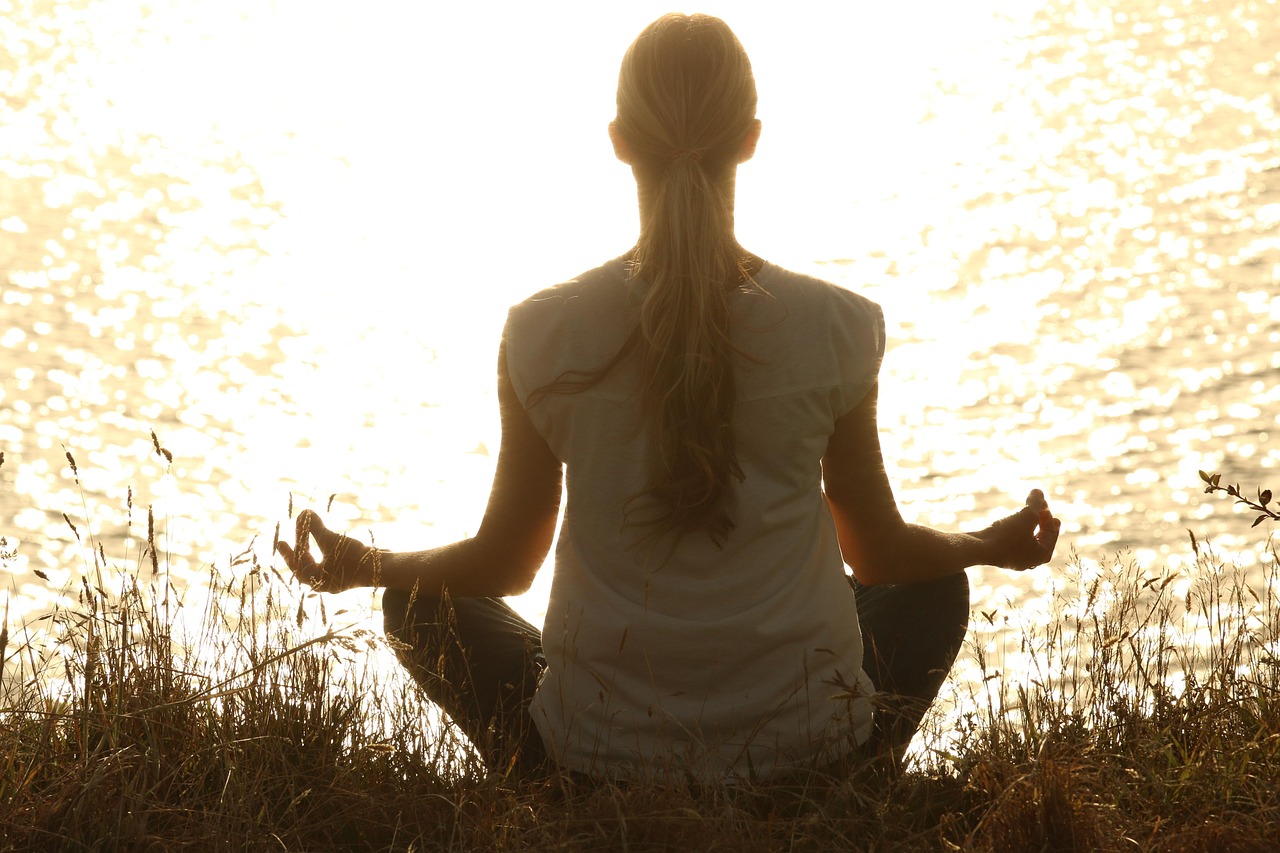
Meditation serves as an invaluable tool in rehabilitation through Yoga and Pilates, providing numerous benefits for physical and mental recovery. Many practitioners of rehabilitation modalities can find healing through breath control and mindfulness exercises. Integrating meditation into practices allows individuals to cultivate a deeper awareness of their bodies, enhancing their recovery experience. Combining mindful meditation with physical movements encourages a holistic approach. Moreover, it helps to calm the nervous system, creating a safe environment for healing. Integration can take various forms, such as guided meditation sessions before or after classes, focusing on breath awareness to promote relaxation. Additionally, individuals may practice visualization techniques, imagining successful recovery and mobility. This practice not only enhances physical outcomes but also promotes emotional well-being by reducing anxiety and stress levels. Establishing a simple routine incorporating meditation creates a habit mechanism that solidifies resilience in rehabilitation. It empowers individuals to participate in their healing journey meaningfully. As a result, the combined practices of Yoga and Pilates with meditation pave the way for improved rehabilitation outcomes, setting the stage for an enriched and transformative experience.
Meditation can significantly improve focus and concentration during Yoga and Pilates sessions, enhancing the overall effectiveness of rehabilitation. When patients are more present and aware, their bodies respond better to the movements. This heightened awareness enables practitioners to engage their muscles properly and maintain correct postures. With this, mindfulness in meditation allows individuals to recognize when they are pushing their limits. This recognition helps prevent injuries, which is vital for those recovering from physical setbacks. Learning to tune into the mind-body connection through meditation enhances not only physical rehabilitation but also emotional healing. When individuals feel connected with their bodies, they tend to develop a more loving relationship with themselves. This developing relationship fosters self-compassion, which enhances mental well-being. Furthermore, individuals may experience less frustration and emotional turmoil as they acknowledge their unique healing journeys. Regular meditation, when integrated into Yoga and Pilates, allows clients to explore their limits safely. This coexistence encourages empowerment through self-discovery, making each small achievement significant. Therefore, oneself becomes a powerful focus during workouts, affirming a commitment to personal results and health achievements.
Meditation Techniques for Enhanced Rehabilitation
Several meditation techniques can enhance the benefits of Yoga and Pilates during rehabilitation. Guided meditation is one effective method where an instructor leads practitioners through imagery and breathing exercises. This mediation form helps calm the mind while keeping practitioners grounded. Visualization also plays a pivotal role, helping individuals envision desired outcomes during practice. Imagining oneself executing movements elegantly can foster a sense of capability and achievement. Journaling alongside meditation allows individuals to record their thoughts, feelings, and progress, deepening their self-awareness. Techniques like body scanning foster physical connections with specific muscle groups, allowing practitioners to cultivate awareness and relaxation in those areas. Other forms, such as loving-kindness meditation, can pave the way for self-acceptance, nurturing a gentle approach to one’s rehabilitation journey. Additionally, placing emphasis on breathwork enables enhanced oxygenation and clarity along the practice. Practicing breathing techniques synchronizes movement with awareness, effectively grounding practitioners on their journey towards recovery. These techniques allow individuals to tailor their experiences, ensuring the journey feels rewarding and ultimately beneficial through the rehabilitation process.
Studies reveal that meditation positively impacts the body both physically and psychologically, especially in rehabilitation. The process of healing requires patience, and incorporating meditation provides the necessary mental tools to cultivate this essential quality. As individuals become more attuned to their physical sensations, they can better manage discomfort and alleviate feelings of frustration. This engagement contributes to improved adherence to rehabilitation programs, ensuring one stays committed to the journey. Meditation can also decrease levels of cortisol, the stress hormone, thereby facilitating a calmer emotional landscape. This calmness creates a fertile environment for healing, making space for growth and restoration. Through meditation, individuals may tap into a deeper sense of inner peace, promoting an overall sense of equilibrium. Patients often report less pain and greater emotional resilience as they blend these practices into their rehabilitation. Those who integrate meditation alongside Yoga and Pilates develop stronger connections to their bodies and minds. Establishing regular meditation practices continues to reinforce positive habits, ensuring consistency in recovery. Furthermore, the combination offers a unique synergy for fostering balance and unity within oneself during challenging rehabilitation.
The Role of Community in Meditation Practices
Engaging in group meditation sessions within Yoga and Pilates classes can amplify the benefits of these practices in rehabilitation. Shared experiences help create a supportive environment for participants, reducing feelings of isolation throughout their recovery journey. This connection can foster a sense of belonging that enhances overall comfort during rehabilitation. Community interactions provide opportunities for sharing personal stories and experiences, further deepening trust in the practice and connection among participants. Many practitioners find encouragement and motivation from their peers, facilitating a collective sense of empowerment. By integrating group meditation, individuals can observe others’ progress and share consistent validation. The supportive energy inherent in group practices contributes to resilience during rehabilitation. Additionally, instructors can implement collaborative meditation techniques that foster group participation, promoting collective mindfulness and enhancing the experience. This synergistic effect nurtures relationships and bonds that significantly enhance the rehabilitation experience. Practitioners can give and receive feedback, facilitating personal growth and development, reinforcing shared goals, and encouraging accountability. This communal approach fosters a sense of partnership and friendship that ultimately enriches the individual’s rehabilitation journey.
Building a meditation practice requires commitment, motivation, and intentionality. Individuals can follow structured programs designed to integrate meditation with Yoga and Pilates aimed at rehabilitation. Establishing a routine can facilitate successful daily meditation practices that yield significant outcomes. Participants should set realistic goals that allow for gradual progress, ensuring practices do not feel overwhelming. Implementing short meditation segments within larger classes provides opportunities for patients to see how these practices fit together seamlessly. Consistency becomes critical, creating a habit that transforms meditation into a lifestyle choice rather than an obligation. Practitioners are encouraged to explore various meditation styles and find what resonates and fits their unique needs. This exploration can lead to deeper connections with individual practices or even establish a meditative journey like mindfulness-based stress reduction. Recording personal experiences in journals can significantly enhance reflections, allowing for deeper insights and self-discovery. Clients should celebrate milestones, no matter how small, to reinforce positive progress. Acknowledging personal growth cultivates a sense of accomplishment, reinforcing commitment to incorporating meditation within the realms of rehabilitation through Yoga and Pilates.
Final Thoughts on Meditation in Rehabilitation
Incorporating meditation into Yoga and Pilates rehabilitation proves invaluable for physical and mental healing. The integration fosters a deeper connection with self-awareness that enriches overall recovery experiences. Enhanced focus and emotional balance are remarkable benefits that come alongside these practices. As individuals embark on their wellness journeys, establishing a solid foundation with meditation encourages engagement and intentionality throughout their practices. Utilizing various techniques enhances recovery, offering opportunities for emotional resilience when challenges arise. Cultivating community connections through shared experiences further strengthens individual commitments, providing support and motivation throughout the process. Through mutual encouragement, practitioners are better equipped to face their rehabilitation journeys together. Ultimately, committing to meditation in Yoga and Pilates leads to lasting benefits as individuals continue their healing and growth beyond rehabilitation. The practices become lifelong allies in fostering well-being. Therefore, embracing meditation provides a holistic synergy that harmonizes the body and mind during recovery, allowing individuals to reclaim their strength and resilience while building a sustainable connection to their practice. Nurturing mental wellness, combined with physical rehabilitation, promotes a transformative experience that opens doors to a new way of being.
Overall, integrating meditation within Yoga and Pilates rehabilitation programs enhances outcomes and empowers individuals to connect with their entire selves in the process. Embarking on this journey fosters personal growth, self-discovery, and emotional wellness that are vital components of healing. With dedication and the right tools, individuals are well-positioned for success in their recovery, ultimately cultivating a more profound appreciation for themselves and their journeys ahead.