
The Benefits of Rowing for Cardiovascular Conditioning
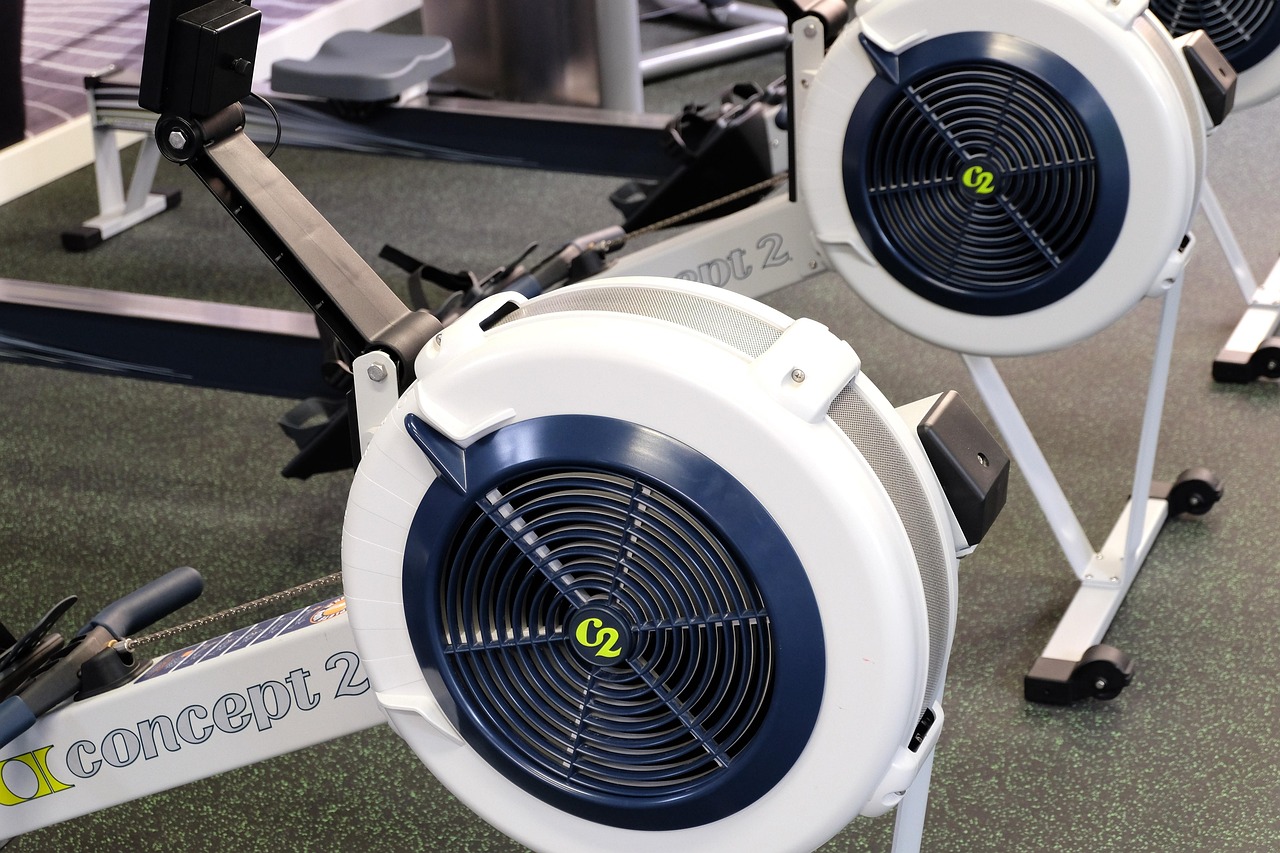
Rowing is an excellent exercise that enhances cardiovascular fitness, engaging multiple muscle groups while offering a low-impact workout option. It can help improve your overall heart health as it boosts endurance and metabolism. Many people, regardless of fitness levels, enjoy rowing because it can be adapted to suit individual needs. This is particularly significant for those recovering from injury or wanting minimal strain on their joints. Rowing machines simulate the experience of being on water, making it accessible for year-round training indoors or outdoors if preferred. This versatility allows users to either focus on intense workouts or use rowing as a leisurely activity. Regular rowing can improve lung capacity and overall oxygen consumption, leading to better endurance during any physical activity. The rhythmic nature of rowing allows for mental relaxation, acting as a form of meditation for many. The full-body engagement also means you efficiently build muscle strength and tone while performing cardio work. Overall, rowing emerges as a fantastic way to combine enjoyment and effective cardiovascular conditioning into one cohesive workout experience that promotes long-term health and wellness.
Enhancing Endurance Through Rowing
Focusing on enhancing your endurance through rowing provides a robust cardiovascular workout essential for longevity in sports and daily life. Unlike many other forms of exercise, rowing emphasizes continuous movement, which challenges the heart and lungs over longer periods. This promotes aerobic capacity, enabling you to perform everyday activities with greater ease and efficiency. Moreover, the combination of both pushing and pulling movements works out both the upper and lower body effectively, creating an excellent conditioning system. The biomechanics of rowing enable individuals to generate power effectively, giving both strength and endurance benefits. As endurance improves, the body’s ability to utilize oxygen increases, resulting in increased stamina. With regular rowing sessions, you’ll notice a significant improvement in your ability to sustain activity over prolonged periods. This can lead to better performance in other sports as well, as overall fitness translates to enhanced abilities. Adopting rowing as a primary or supplementary form of exercise can thus serve as a game-changer in pursuing better endurance. Whether you are an athlete or a fitness enthusiast, rowing can play a pivotal role in your endurance training regimen.
One of the most appealing aspects of rowing is that it caters to individuals of all fitness levels. Beginners can start with lower resistance settings, focusing on mastering their technique and gradually increasing intensity. This makes it an ideal choice for anyone looking to improve their cardiovascular conditioning while minimizing risks associated with injury. Advanced rowers can challenge themselves with high-resistance settings, allowing for greater strength development during workouts. Various rowing machines on the market allow users to continuously track their performance metrics, such as calories burnt, distance rowed, and average speed. By monitoring progress, individuals stay motivated and committed to their fitness goals. The global popularity of competitive rowing has also created a supportive environment for enthusiasts, with numerous clubs and teams available for those looking to join or improve their skills. Engaging with like-minded individuals can foster community, making workouts more enjoyable and less isolating. Using rowing for cardiovascular conditioning can thus elevate your overall experience while enhancing your journey towards achieving health and fitness goals.
Rowing as a Full-Body Workout
Rowing engages several major muscle groups, making it a truly holistic form of movement. Unlike focusing only on specific areas, rowing effectively works the legs, back, arms, and core. Muscles involved include the quadriceps, hamstrings, glutes, latissimus dorsi, and biceps, creating a well-rounded fitness routine. Engaging multiple muscle groups simultaneously ensures that you burn more calories in a shorter amount of time compared to isolated exercises. This efficiency makes it easier for individuals to achieve their weight loss or toning objectives faster. Additionally, as your muscles strengthen, your posture improves, reducing the likelihood of developing chronic pain or injury associated with poor alignment. Rowing provides an ideal balance between strength and cardio training, creating an unyielding foundation upon which further fitness goals can be built. Furthermore, maintaining a strong core throughout leads to better balance and stability in all forms of exercise and daily activities. Overall, the full-body nature of rowing makes it a desirable choice for people looking to maximize their workout efficiency while having fun.
The impact of rowing on cardiovascular health cannot be overstated. As an aerobic exercise, rowing strengthens the heart, allowing it to pump blood more efficiently throughout the body. This leads to improved oxygen delivery to muscles during physical activity, enhancing performance. Metabolically, rowing contributes to increased heart rate, resulting in higher calorie consumption both during and after workouts. As cardiovascular health improves, there is a reduction in risks associated with heart disease, hypertension, and other conditions. By including rowing in your fitness routine, you are taking a proactive step toward long-term wellbeing. Research indicates that individuals who engage in regular aerobic exercise experience lower cholesterol levels, leading to healthier arteries over time. Additionally, rowing can be tailored to specific heart rate zones, facilitating targeted training for optimal cardiovascular conditioning. This adaptability ensures that users can challenge themselves appropriately while enjoying the process. Engaging in consistent rowing can also facilitate better sleep patterns, leading to improved recovery and overall mental health. As a holistic fitness option, rowing incorporates both physical improvement and emotional benefits that contribute to a healthier lifestyle.
Rowing to Enjoy Exercise
Many people struggle with maintaining an enjoyable routine when it comes to fitness, resulting in disengagement. Rowing stands out as an engaging workout that combines physical exertion with enjoyment, reducing the mental barriers often associated with exercise. The beauty of water rowing adds an aesthetic element, providing a natural setting to foster relaxation and focus. Indoor rowing machines create a similar immersive experience, allowing individuals to visually track their progress while listening to music or watching videos. This adaptability ensures that workouts can remain fresh and exciting, leading to greater retention. As the rhythm of rowing flows, individuals often achieve a meditative state, fostering a positive mental space conducive to both sweat and serenity. Group classes can also amplify the enjoyment factor by fostering camaraderie and friendly competition, further motivating individuals to push their boundaries. Setting goals and celebrating milestones together encourages commitment and community building. As you navigate through your rowing adventure, you may discover a newfound appreciation for movement and fitness—transforming the ideals of exercise into a rewarding and enjoyable journey.
In conclusion, rowing for cardiovascular conditioning presents multiple benefits that enhance overall health and wellbeing. Engaging the body in a full, dynamic workout allows for a stronger cardiovascular profile while simultaneously refining muscular strength. The versatile nature of rowing makes it suitable for all fitness levels, ensuring that everyone can experience the benefits associated with this powerful exercise form. Not only does rowing promote enhanced endurance, improved posture, and increased calorie burn, but it also delivers emotional and psychological benefits crucial for mental health. Rowing acts as an enjoyable workout, keeping individuals motivated and engaged in their fitness journeys. Consistent rowing sessions cultivate resilience in mind and body, leading to long-lasting health transformations. Whether competing in a rowing event or enjoying a leisurely rowing session, the activity promotes self-discovery and personal growth. As you seek to integrate rowing into your fitness regimen, prioritize enjoyment and fulfillment within your practice. The rewards of rowing extend beyond physical enhancement; they manifest in a lifestyle of health and happiness, emphasizing cardiovascular conditioning as a key factor in a vibrant, active life.
This is a closing statement on the benefits of rowing that emphasizes the necessity of incorporating this form of exercise into regular routines. Regular practice ensures that cardiovascular health is maintained over time, contributing to longevity and greater life satisfaction. The holistic benefits provided by the rowing experience foster connections between physical and mental wellbeing that must not be overlooked. A deep-seated commitment to self-care involves recognizing the value of movement in one’s life. Therefore, whether you choose rowing as a primary workout or a supplementary activity, the results will undoubtedly contribute to your journey towards achieving greater health milestones.