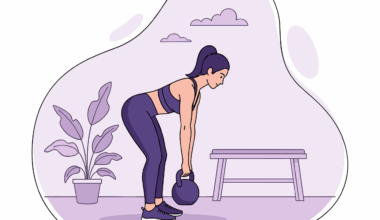

Functional Balance Training for Everyday Activities
Functional balance training is crucial for maintaining stability and preventing injuries in daily life. This training focuses on exercises that mimic real-life movements while enhancing stability, coordination, and strength. By improving your balance, you can reduce the risk of falls and enhance performance in sports or fitness activities. Everyday tasks such as walking, climbing stairs, or bending can be accomplished more efficiently with improved balance. Balance training benefits people of all ages and fitness levels. It particularly helps older adults to maintain independence and enhances athletic performance in younger individuals. Incorporating balance training into your routine is essential for overall health and wellness. Simple exercises can be performed at home with minimal equipment. Examples include single-leg stands, tandem walking, or dynamic movements like lunges. Each of these exercises engages different muscle groups, improving core stability and coordination. Consistency is key. Aim to integrate balance exercises into your workout at least two to three times a week. This frequency will help reinforce your improvements, making balance an integral skill rather than a fleeting one. An effective balance routine can dramatically enhance your quality of life.
One effective method for enhancing balance is by utilizing bodyweight exercises. These exercises are not only accessible but also highly effective for people at various fitness levels. Unlike heavy weightlifting, bodyweight training emphasizes your body’s ability to control itself in space. By performing exercises such as squats, lunges, and planks, you engage core muscles essential for balance. You should focus on maintaining proper form throughout each movement. A stable core leads to greater overall stability and control. Moreover, the versatility of bodyweight exercises means you can perform them anywhere, whether at home, a park, or the gym. Tailoring your routine to meet your lifestyle can keep you motivated. As you progress, increasing the difficulty can further enhance your stability. This can be achieved by introducing balance-challenging variations such as single-legged squats or hopping exercises. Always remember to listen to your body during these exercises to prevent injury. Take regular breaks and ensure proper hydration. Incorporating balance-focused bodyweight exercises into your weekly workout will improve not just strength and flexibility, but also your overall body awareness, making daily tasks feel easier and more manageable.
Incorporating Functional Movements
In functional balance training, incorporating movements that replicate everyday activities can prove highly beneficial. Exercises that mimic common tasks help build the necessary stability and strength to perform them more efficiently. For example, consider adding exercises like rows with resistance bands or calf raises. These movements not only improve muscular strength but also enhance coordination and joint stability. Additionally, practicing balance exercises on uneven surfaces such as yoga mats or balance boards can significantly challenge the body. This leads to more effective training outcomes. Furthermore, including rotational exercises in your regimen can significantly enhance your functional stability. Movements such as medicine ball twists or cable wood chops can increase your body’s ability to perform seamlessly in daily activities. Flexibility, strength, and coordination improve through this holistic approach, providing more effective training sessions. Always remember to perform warm-up stretches before starting. This prepares your muscles and increases the overall effectiveness of training sessions. Ensure you’re maintaining a controlled pace throughout each exercise to maximize muscle engagement without risking injury. The goal is to gradually progress, gaining confidence and improving your balance in everyday life as a result.
While engaging in functional balance training, it’s essential to integrate core strengthening exercises into your routine. The core plays a vital role in maintaining stability and facilitating balance by providing support for the spine and pelvis during movement. Exercises such as planks, bridges, and Russian twists contribute significantly to core strength, enhancing your overall balance capabilities. Strengthening your core allows you to perform daily activities with greater ease and less risk of injury. Additionally, don’t overlook the importance of working on your flexibility, as it complements stability and strength. Incorporating stretches such as hamstring stretches, quadriceps stretches, and hip flexor stretches can greatly improve your range of motion. Improved flexibility will allow for better movement efficiency. Pair this with balance exercises to create a well-rounded approach to training. Over time, you will likely notice improvements in your overall balance and coordination, making daily tasks feel significantly simpler. Remember to consult with a fitness professional when needed to ensure optimal form. Adjust your activities based on your personal fitness level, adjusting repetitions and sets accordingly, making sure to progress at a pace that feels comfortable for you.
Prioritizing Safety During Training
Safety should always be prioritized during functional balance training. It’s vital to create a safe environment free from hazards that could increase the risk of falls or injuries. Use sturdy supports, such as a wall or chair, when first attempting balance exercises. As your skills improve, gradually reduce reliance on these supports to enhance your confidence and stability. When practicing exercises on unstable surfaces, always ensure that the area is clear of obstructions and that you have appropriate footwear. Wearing supportive footwear can provide stability while performing balance exercises. Consider working with a partner who can assist you, especially during more challenging workouts. Monitoring your body’s signals is essential. If you feel any discomfort or instability, cease the exercise and reevaluate your technique or choice of activity. Additionally, warming up and cooling down is critical to avoid strains or injuries. Incorporating proper stretching and gradually preparing your muscles will enhance performance and recovery. Lastly, schedule regular balance assessments with a fitness professional to track your progress. They can provide tailored advice to further optimize your training for the best results.
Tracking your progress during functional balance training is crucial for motivation and improvement. Keeping a journal or using fitness apps can help log your workouts, track changes, and set goals. Documenting exercises, repetitions, and rest times can provide insight into your enhancements over time. Take note of specific activities that feel easier or those requiring additional focus. This awareness allows for effective training adjustments, ensuring you’re consistently challenging your balance skills. Celebrating milestones, however small, will encourage you to remain dedicated to your training regimen. Additionally, consider involving friends or family in your routines to make training more enjoyable and foster accountability. Group workouts can also introduce a social component that enhances motivation. Participating in classes focused on balance can expose you to new techniques and methods. Choose activities that incorporate balance and strength components, such as Pilates or certain yoga classes. This expands your repertoire of exercises and further challenges your balance skills effectively. Above all, enjoy the journey of improving your balance, recognizing its importance not just for fitness but for a more active and fulfilling everyday life.
Conclusion: The Long-term Benefits of Balance Training
Embracing functional balance training provides numerous long-term benefits that enhance your quality of life. Such training is designed to support the physical demands of everyday activities while fostering a sense of confidence in your abilities. Proper balance minimizes the risks of falls and injuries, especially as you age. Regular practice leads to improved muscle control, coordination, and body awareness, benefiting both athletes and non-athletes alike. By committing to a diverse regimen of balance activities, you will cultivate strength and flexibility, profoundly impacting overall physical performance. Integrating balance training with other fitness elements, such as strength training and cardio, creates an all-around fitness approach necessary for optimal health. Also, aim to vary your exercises, minimizing monotony and continuing to challenge your body effectively. Remember that consistency is more impactful than intensity; gradual progress is often more sustainable and beneficial. As balance becomes part of your routine, you will notice improvements in how you navigate daily tasks, sports, and recreational activities with newfound ease. Ultimately, investing in your balance training promotes independence, enhances your physical capabilities, and enriches your daily life experiences.
This article underscores the importance of functional balance training for everyday activities. By consistently engaging in balance-enhancing exercises, individuals can significantly improve their stability, confidence, and overall mobility. The versatility of bodyweight exercises and functional movements provides an accessible way for everyone to improve their quality of life through physical fitness. Don’t underestimate the impact of proper training on day-to-day experiences. As such, take the steps necessary to build a balanced, effective training regimen. Promote a healthier and more active lifestyle through dedicated functional balance training.