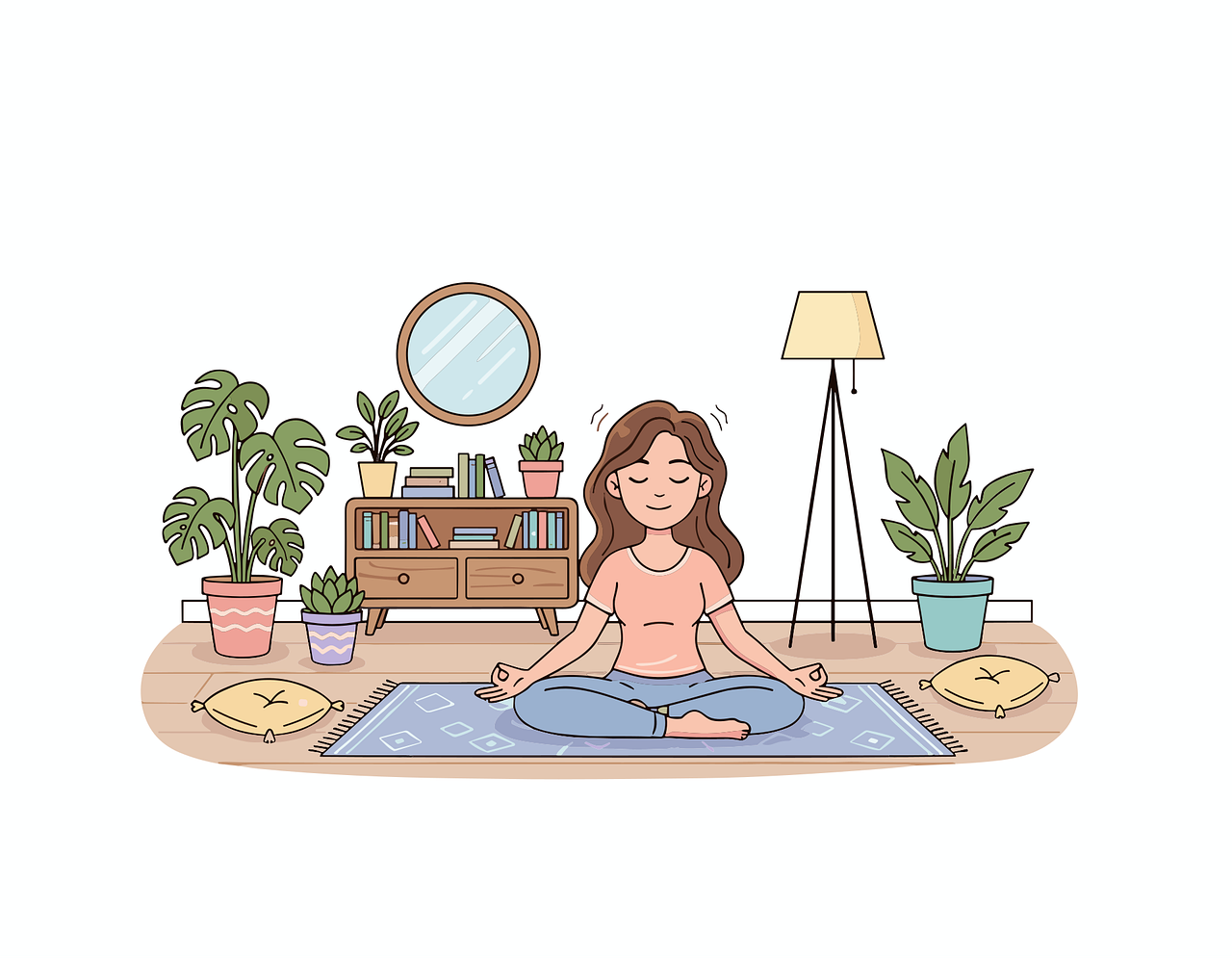

Pilates Challenge: Improve Breathing and Relaxation Techniques
Pilates is a powerful method that focuses on building flexibility, strength, and holistic alignment. The essence of Pilates lies in its ability to enhance one’s breathing and relaxation techniques. By honing these abilities, practitioners can incorporate an integrated approach to health. The core principles of Pilates challenge the mind-body connection, enhancing physical awareness and improving both breathing techniques and relaxation strategies. The Pilates method demands that you harmonize your mind while you control your body movements, allowing for enhanced mental clarity. Engaging in Pilates challenges often results in a transformation of your overall well-being. Specifically, a focus on breathing exercises promotes relaxation and cognitive function. Integrating deep breathing techniques into your daily routine empowers individuals to manage stress and anxiety effectively, enhancing their Pilates journey. These are vital components that lead to a more balanced lifestyle, allowing one to handle day-to-day pressures with grace. To get the most from this Pilates challenge, commit to regular practice, focusing on creating a strong foundation for your body while enhancing your breath control and promoting deep relaxation through every session.
One of the primary benefits of engaging in Pilates challenges is the remarkable improvement in breathing techniques. Learning to breathe deeply while performing exercises helps increase lung capacity and promotes better oxygenation in the body. As you incorporate various Pilates routines into your workout, they often focus on the recruitment of your diaphragm and expanding your rib cage. Mastering the art of inhaling and exhaling correctly can significantly enhance your physical performance in each session. This deliberate focus on breath control leads to improved stamina during workouts, enabling you to work longer and harder. Moreover, deep breathing has profound effects on your mental clarity, allowing the practitioner to feel more centered and present. In moments of physical exertion, maintaining control over your breath becomes essential as it guides your movements, preventing injuries. As you explore different Pilates challenges, retrospectively consider your breathing patterns, aiming to synchronize your breath with your movements. The results include a stabilized core, increased flexibility, and an overall sense of relaxation, empowering you to embrace the physical aspect of this practice. Continuous practice and refinement of these breathing techniques can be life-changing in both fitness and well-being.
The Role of Relaxation in Pilates Challenges
Equally important to breathing techniques in Pilates is the role that relaxation plays in this holistic practice. Relaxation allows practitioners to let go of tension in their bodies, creating a greater range of motion and improved muscle function. Focusing on relaxation techniques encourages you to release stiffness in the body, which enhances overall performance. The Pilates challenge invites you to engage with your body in a way that is both soothing and revitalizing. It emphasizes the importance of restoring your body, especially after an intensive workout. As you learn to relax your muscles during sessions, you will notice decreased stress levels and improved recovery times. Understanding how to bring awareness to areas of tension is essential for anyone committing to this practice. Incorporating relaxation into each session will also help to create a meditative state, which can be difficult to achieve amidst daily distractions. This level of mindfulness can be incredibly rewarding, paving the way for self-discovery and personal growth. Ultimately, integrating relaxation into your Pilates journey allows for a profound transformation of body and mind that enriches your overall experience.
A practical way to improve relaxation and breathing techniques within your Pilates challenges is through the introduction of visualization strategies. Visualization aids both novice and experienced practitioners, enhancing the mind-body connection. Before beginning your session, take a few moments to visualize your goals, focusing on achieving balance throughout your practice. Envision yourself executing each movement with fluidity and grace while taking deep, calming breaths. This approach reinforces the principles of Pilates while encouraging a more profound sense of tranquility during your routine. Not only will this foster improved physical execution; it will also cultivate a positive mindset. Visualization also provides mental rehearsal that can significantly enhance performance levels. It acts as a mental warm-up, preparing you for the movements ahead. Use these moments to picture your ideal state during the session. Furthermore, combining visualization techniques with breathing exercises solidifies the foundation of your Pilates practice. The marriage of these strategies can lead to breakthroughs in relaxation and physical achievement that resonate beyond the mat. Overall, harnessing the power of visualization serves to amplify your ability to manage stress while cultivating a continued desire for exploration in Pilates.
Tracking Your Progress
To maximize the benefits of your Pilates challenges, maintaining a journal can be a powerful tool for tracking your progress. Documenting your experiences allows you to observe changes in your breathing and improvement in relaxation techniques over time. Today, many fitness enthusiasts opt for digital apps to facilitate this process, offering insights into patterns that may emerge from your practice. By noting down your thoughts, feelings, and sensations experienced during each session, you create a reflective space to evaluate your journey. Use your journal entries to pinpoint areas of growth, as well as aspects in need of refinement. This practice fosters a greater awareness of your reactions to varying Pilates challenges, helping you to adjust your practice. Moreover, journaling can provide motivation and encouragement, as the documentation can celebrate success and acknowledge setbacks. Capturing every detail provides clarity regarding what works best for your body. Additionally, it cultivates a sense of accountability, as you become invested in tracking your journey. As you progress through various challenges, you will also find that each entry serves as a valuable reminder of how far you have come and the lessons you have learned.
Engaging in a community of fellow Pilates enthusiasts is another way to improve your relaxation and breathing techniques. Joining a class or participating in online forums promotes a sense of support and shared experiences. Connecting with others on similar fitness journeys can be incredibly motivating and enriching. When collaborating with others, you may discover new strategies and insights that can inspire your practice. Through observing peers, you might pick up unique methods of managing breath or relaxation that you hadn’t considered before. Share your challenges and achievements with others; this exchange of ideas stimulates growth and resilience. Many people find comfort in knowing they aren’t navigating their fitness journeys alone. Community challenges often introduce friendly competition, pushing you beyond your perceived limitations while fostering a collaborative spirit. You can learn so much from each participant’s unique perspectives. An active community participation cultivates relationships that enhance your overall experience. Commit to finding your Pilates tribe, whether in person or online, as it can contribute positively to your growth. As you continue on the path to mastering your breathing and relaxation, the support of a community can be invaluable.
Final Thoughts on Your Pilates Journey
As you embark on or continue your Pilates challenge, remember that improving your breathing and relaxation techniques is an evolving journey. Embrace the process, recognizing that every small improvement contributes to your overall progress. The commitment to practice will solidify your newfound skills and enhance your fitness levels. Approach each session with an open mind, allowing yourself to explore the nuances of both breathing and relaxation. Be patient with yourself; mastery of these skills takes time, and perseverance is crucial. Incorporating deep breathing and relaxation techniques into your routine nurtures not only your body but equally your mental state. This holistic approach allows you to handle stress, fostering a calm yet focused mindset. Be mindful to celebrate your achievements, both large and small, as each represents a significant step forward. Lastly, remind yourself of the personal reasons you began this journey to enrich your life through Pilates. Each session becomes a sacred opportunity to cultivate a profound awareness of your body and mind. As you grow within your practice, you will notice how these techniques positively impact various aspects of your life.
Incorporating various styles of Pilates provides additional layers to the challenge. Exploring online courses and instructional videos can diversify your routine, making it more engaging. The introduction of diverse teaching styles can intensify your learning experience and enhance your abilities. Aim to incorporate different instructors’ perspectives and strategies. Doing this allows for a richer understanding of techniques. You might find particular approaches resonate strongly with your body. Trying varying styles forces you to adapt, further propelling your journey to improvement. The incorporation of feedback is crucial in this process, guiding you in your practice. Establish interactions with instructors and peers to seek advice and adjustments that suit your individual needs and goals. This sense of dialogue will clarify your journey, helping you gain greater insights into your Pilates practice’s nuances. Moreover, maintaining a beginner’s mindset fosters continuous exploration and growth throughout your practice. Each session provides an opportunity to rediscover your body while expanding your understanding and capabilities. As you explore new challenges, remind yourself of the importance of consistency. Establish a regular practice schedule that aligns with your lifestyle, ensuring that you present your best self on the mat.