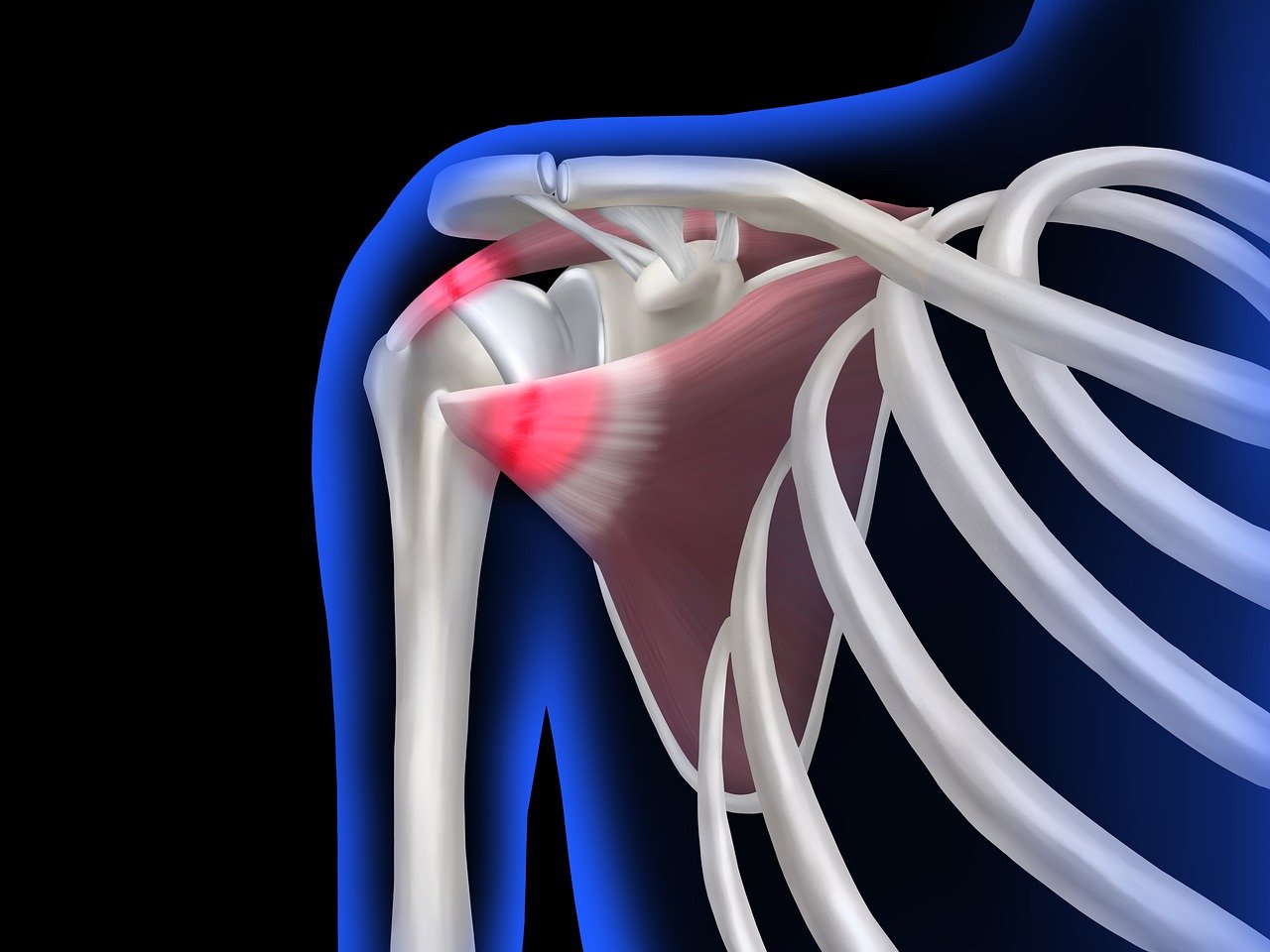

Assessing Shoulder Range of Motion Post-Injury
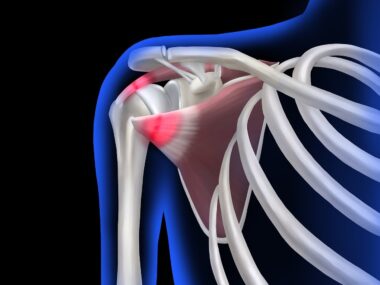
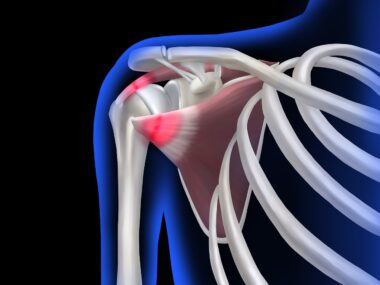
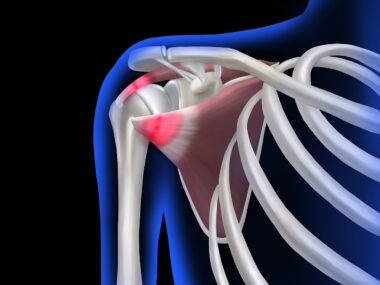
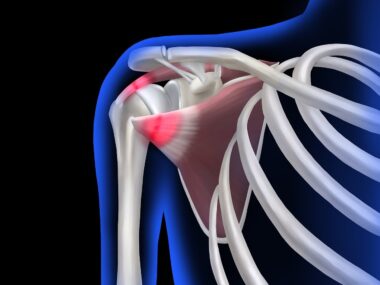
Shoulder injuries are a common occurrence in various sports, often resulting from acute trauma or repetitive stress. These injuries can significantly impair an athlete’s performance and lead to long recovery periods if not properly addressed. Assessing shoulder range of motion (ROM) after an injury is a crucial step in the rehabilitation process. It not only helps to evaluate the extent of the injury but also guides the treatment plan. Various factors such as pain, swelling, and muscle strength can affect the shoulder’s mobility. Rehabilitation professionals employ both subjective assessments and objective measurements during the evaluation phase. Established methods such as goniometry and functional movement screens are frequently used to assess rotational movement and stability. These assessments inform clinicians about the injury’s severity and the required interventions. Furthermore, a customized rehabilitation program based on these assessments is vital for maximizing recovery. Adhering to the rehabilitation schedule can greatly enhance an athlete’s chances of a full recovery and return to their sport. Regular monitoring of progress helps determine appropriate modifications to the treatment plan.
Physical therapy is often an integral part of shoulder injury rehabilitation. Through targeted exercises, therapists can help restore strength and flexibility, which are essential for optimal shoulder function. However, the specific activities must be carefully selected based on the injury type and phase of healing. Early interventions may focus on passive range-of-motion exercises, while later stages involve active rehabilitative movements. Documentation and continuous assessment are paramount in this process. By utilizing outcome measures, therapists can track improvements in range of motion, pain levels, and functional capabilities over time. Additionally, education plays a key role in helping athletes understand their injury and what is necessary for recovery. Athletes should be encouraged to report any changes in their condition, as this feedback aids therapists in making informed decisions regarding treatment adjustments. Also, collaborative communication between physiotherapists, doctors, and coaches ensures that everyone involved is on the same page regarding the athlete’s progress. When there are consistent assessments coupled with open dialogue, the likelihood of returning to play faster increases significantly. This holistic approach to rehabilitation facilitates a smooth transition back to sport participation.
Key Assessment Tools and Techniques
When evaluating shoulder range of motion after an injury, several assessment tools are commonly utilized by sports medicine professionals. Goniometers are the gold standard in measuring joint angles, providing objective data on the extent of movement. These measurements can be compared to normative data to determine if an athlete has returned to baseline range of motion levels. Additionally, inclinometer devices can offer valuable insights into functional mobility, particularly for assessing the shoulder’s ability to perform specific tasks. Visual assessments and palpation by a qualified provider can help identify areas of discomfort or restriction. Functional tests often replicate the demands an athlete faces in their sport, thus ensuring that the evaluation is relevant. Tests such as the Apley’s scratch test assess glenohumeral joint mobility effectively. Furthermore, interval testing, which gradually increases ROM under controlled conditions, helps identify thresholds for pain and discomfort. This controlled environment aids in building trust between the patient and clinician, leading to better outcomes. The combination of these techniques provides a comprehensive outlook on shoulder functionality during recovery.
Monitoring and reporting progress is essential in the rehabilitation journey for shoulder injuries. Objective measurements can reveal how effective a treatment protocol has been and whether adjustments are necessary. Regular follow-ups can help therapists gauge the athlete’s response to rehabilitation and adjust the program based on findings. Some athletes may exhibit differing rates of recovery, making tailored approaches significant. For instance, if an athlete shows slower progress in range of motion gains, therapists may decide to introduce new exercises to stimulate improvement. Alongside functional tests, pain scales can be implemented to understand how well the athlete copes during rehabilitation sessions. Incorporating patient-reported outcomes can clarify perceptions about their own recovery process. Enhanced communication and empathy from healthcare providers can motivate athletes to push through the challenging stages of rehabilitation. Furthermore, educating athletes about the importance of adhering to home exercises and their impact on recovery cannot be understated. Every small gain in ROM not only helps in rehabilitation, but also contributes significantly to overall performance when returning to play. Maintaining motivation and positive outlooks is crucial throughout this journey.
Impact of Shoulder Injuries on Athletes
Injury to the shoulder can have vast implications for athletes, often limiting both their capabilities and passions. Whether competing in contact sports like football or endurance sports such as swimming, shoulder injuries can derail an athlete’s season and career. Pain and dysfunction can lead to compensatory movement patterns, risking additional injuries elsewhere in the body. Beyond physical consequences, the psychological impact of being sidelined should not be ignored. Many athletes may experience stress, anxiety, or depression due to their reduced participation in sports. Emotional support and maintaining engagement in the sport, even while injured, can help alleviate some of these feelings. Setting realistic goals during recovery can provide a sense of direction and purpose; therefore, creating milestones helps in tracking improvement. Having a timeline for return to sport can encourage athletes to remain focused. In certain rehabilitation plans, athletes might even be able to participate in modified training sessions, enhancing their connection to the sport while recovering. Overall, addressing both physical and emotional aspects of shoulder injuries is essential for a holistic rehabilitation process.
The importance of a multidisciplinary approach in managing shoulder injuries cannot be overstated. Collaboration between orthopedic surgeons, physiotherapists, athletic trainers, and psychologists ensures comprehensive care for the athlete. Each specialist brings a unique perspective that contributes to patient outcomes. For instance, surgeons may provide insights into any necessary surgical interventions, while physical therapists develop targeted rehabilitation protocols. Athletic trainers often focus on injury prevention strategies, which can reduce the likelihood of future injuries. Furthermore, incorporating psychological support, when needed, addresses emotional hurdles during the recovery phase. Through shared decision-making, the care team can create a cohesive and personalized recovery plan while ensuring the athlete fully understands the options available. Regular team meetings help keep everyone updated on progress and tackle issues as they arise. This continuity of care fosters a strong support system around the athlete, aiding motivational levels as they navigate recovery challenges. Using evidence-based practices and a unified approach minimizes discrepancies in care, ensuring athletes receive the most effective treatment possible. Optimal outcomes stem from this comprehensive method to shoulder rehabilitation.
Return to Play Protocol
The return to play protocol for athletes recovering from shoulder injuries is a critical component of the rehabilitation process. This protocol must be carefully structured and individualized based on the athlete’s specific needs and circumstances. Firstly, ensuring that the athlete has regained full range of motion and strength is paramount. Functional testing should confirm that the shoulder can withstand sport-specific demands before returning to play. It is important to involve all stakeholders, including the athlete, coaches, and medical staff, in these discussions. Communication regarding the readiness to return is crucial to avoid re-injury. Gradual reintegration into training activities can help monitor the athlete’s response to increased stress on the shoulder. It involves scaling back from practice drills to full gameplay over time, assessing tolerance at every stage. Athletes should receive ongoing encouragement and psychological support as they resume competing. Educating them about the signs of potential complications can keep them vigilant and proactive in their recovery process. A seamless transition back to competition is reliant on thorough planning and responsiveness to the athlete’s progress.
In conclusion, accurately assessing shoulder range of motion post-injury is vital for ensuring athletes can recover effectively and return to their sports. Utilizing appropriate assessment tools, engaging multidisciplinary teams, and addressing both physical and emotional aspects contribute to a well-rounded approach to rehabilitation. The impact of shoulder injuries can significantly impede an athlete’s performance, making swift and effective rehabilitation essential. Additionally, creating structured return to play protocols helps minimize the risks of re-injury while empowering athletes throughout their recovery journey. Collaborative communication ensures that athletes remain informed, motivated, and confident as they navigate their rehabilitation process. Regular assessments, customized rehabilitation programs, and psychological support are key factors in successfully managing shoulder injuries. Sports medicine professionals must remain vigilant in monitoring progress and making necessary adjustments to treatment as needed. Emphasizing the importance of follow-ups and patient involvement enhances the recovery experience. Ultimately, athletes can reclaim their passion for their sport with the right approach and support during recovery. In the dynamic field of sports medicine, understanding the complex nature of shoulder injuries is necessary for optimizing athlete health and performance.