
Exercise Physiology: Understanding Cardiovascular Changes with Age
As individuals age, significant physiological changes occur in the cardiovascular system. Aging affects the heart and blood vessels, leading to alterations that can impact overall health. One major change is the increase in vascular stiffness, which can reduce the elasticity of blood vessels. This stiffness leads to a decreased ability of the arteries to expand during heart contractions, increasing blood pressure. Additionally, as people age, the heart’s walls can thicken, which further impacts its function. The heart may also experience a decline in maximum heart rate and cardiac output, affecting how well it can deliver oxygen during physical activity. Regular physical activity can help mitigate some of these effects, enhancing cardiovascular health and reducing the risk of heart-related diseases. Regular exercise improves blood flow, increases the strength of the heart muscle, and can even promote the flexibility of blood vessels. Knowledge of these effects is crucial for older adults to design suitable exercise programs that align with their individual needs and health conditions. Understanding these changes empowers individuals to maintain an active lifestyle and improve their quality of life as they age.
In-depth studies depict how mainstream exercise recommendations can help in delaying cardiovascular declines associated with aging. Aerobic activities, resistance training, and flexibility exercises are all beneficial. For instance, cardiovascular activities like walking or swimming enhance heart health, promoting greater cardiovascular endurance. Resistance training not only strengthens muscles but can also aid in maintaining a healthier vascular system. Including routine flexibility exercises can improve overall mobility, balance, and physical function, reducing the risk of falls. Guidelines suggest that older adults should aim for at least 150 minutes of moderate-intensity aerobic exercise each week, combined with muscle-strengthening activities on two or more days. However, the key is finding enjoyable activities that promote consistency and adherence. Setting achievable goals can lead to enhanced motivation and a sense of accomplishment, thereby encouraging a more active lifestyle. For optimal results, incorporating variety into exercise regimens can help sustain engagement while promoting all facets of cardiovascular health. Innovations in fitness programs tailor to older adults’ preferences, focusing on functionality and enjoyment. By adhering to these guidelines, older adults can significantly reduce the impact of aging on cardiovascular health.
Understanding Heart Rate Changes
The heart rate responses to exercise also shift as one ages. Traditionally, maximum heart rate decreases with age, making it essential to adjust exercise intensities over time. In younger individuals, the maximum heart rate can be calculated roughly by subtracting their age from 220. For older adults, training should be moderated to ensure safety and enjoyment during physical activities. During exercise, individuals should target a heart rate between 50-85% of their maximum rate to ensure effectiveness without undue strain. Monitoring heart rates can also provide critical feedback regarding exercise intensity and safety. It is noteworthy that some older adults might experience a reduced heart rate recovery period after exercise. Therefore, including adequate cool down and recovery times in workouts becomes crucial. Additionally, older adults must listen to their bodies; discomfort might indicate an overexertion. A personalized approach to heart rate training can optimize cardiovascular health, tailoring fitness plans according to physical ability and health history. By understanding these heart rate changes, older adults can navigate their exercise routines smartly, ensuring a safe yet effective cardiovascular exercise regimen.
Moreover, the role of exercise in promoting vascular health cannot be underestimated. Research indicates that habitual physical activity fosters better endothelial function, which can slow down the natural aging processes of blood vessels. Maintaining endothelium health ensures appropriate regulation of blood flow and blood pressure. Exercise enhances the production of nitric oxide, a vasodilator that aids in blood vessel expansion, thereby improving circulation. A physically active lifestyle may mitigate age-related cardiovascular problems, decreasing risks associated with heart disease, hypertension, and stroke. Older adults who regularly exercise report better overall health outcomes and improved quality of life. It’s crucial for seniors to engage in frequent physical activity that challenges their cardiovascular systems while remaining within safe limits. Activities such as dancing, cycling, and gardening can be enjoyable while offering essential cardiovascular benefits. Additionally, integrating social aspects into exercise routines can promote adherence and enjoyment. With the incorporation of exercise in daily routines, aging individuals can expect enhanced cardiovascular resilience and well-being, significantly reducing their risks associated with aging and cardiovascular decline.
The Importance of Flexibility Training
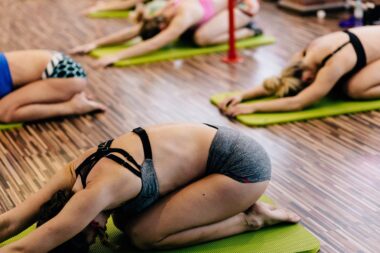
Flexibility, often overlooked, serves as a crucial aspect of overall physical health and specifically cardiovascular fitness. As individuals age, maintaining flexibility not only supports joint health but also contributes to better blood circulation. Stretching and flexibility exercises enhance blood flow to the muscles and joints, which is vital for recovery following physical activity. These exercises help improve posture and reduce the risk of injuries that may occur through falls or missteps. Furthermore, improved flexibility can lead to a greater range of motion, aiding older adults in performing daily activities with greater ease. Incorporating stretching routines during warm-ups and cool-downs in an exercise regimen is beneficial. Static and dynamic stretching can be easily adapted to individual capabilities and preferences. Seniors should consider gentle yoga or tai chi, which effectively combine flexibility and balance while minimizing injury risks. By prioritizing flexibility training, older adults can significantly enhance their overall fitness levels, maintain independence, and enrich their quality of life. A comprehensive fitness plan incorporating flexibility will complement cardiovascular training, providing a balanced approach to healthy aging.
Nutrition also plays a vital role in supporting cardiovascular health among the aging population. A well-balanced diet rich in essential nutrients can optimize exercise performance and recovery. Foods high in omega-3 fatty acids like fish, nuts, and seeds promote heart health by reducing inflammation and lowering triglycerides. Fiber-rich foods such as fruits, vegetables, and whole grains help manage cholesterol levels and support overall cardiovascular function. Adequate hydration is crucial, particularly during exercise, as it helps regulate body temperature and enhances performance. Maintaining a healthy weight through diet contributes significantly to reducing risks of heart disease and hypertension. Yet, dietary habits should be tailored to meet individual needs and health statuses. Older adults may find it beneficial to consult with healthcare professionals or registered dietitians. These experts can assist with nutritious meal planning that aligns with personal fitness goals and existing health issues. By combining proper nutrition with an active lifestyle, seniors can effectively further their cardiovascular health, leading to more successful aging and improved overall well-being.
Finding motivation for regular exercise as one ages can be challenging but remains essential. Engaging in group activities, joining classes, or exercising with friends can foster social connections that enhance adherence and increase enjoyment. Setting realistic goals and celebrating milestones can provide seniors with tangible motivation and a sense of purpose. Incorporating pleasant activities such as hiking, dancing, or sports can make fitness feel less of a chore and more an enjoyable part of daily life. Additionally, tracking progress can be exciting, revealing improvements in strength, endurance, and overall health. The mental health benefits of exercise should also not be underestimated; regular physical activity can significantly reduce feelings of anxiety and depression. Moreover, it can boost cognitive functions while decreasing the risk of cognitive decline. Ultimately, by understanding individual preferences and capabilities, older adults can create personalized and enjoyable fitness journeys. The journey becomes not just about longevity but about quality; achieving a fulfilling, healthy, and active lifestyle through exercise helps counteract aging’s effects on cardiovascular systems and improves quality of life.
Ultimately, understanding the relationship between exercise physiology, cardiovascular health, and aging highlights the importance of an active lifestyle in promoting health and longevity. As the population ages, addressing these concerns will remain essential for individuals, healthcare providers, and policy makers. Tailoring physical activity recommendations that adhere to individual capabilities ensures that everyone can benefit from exercise. Building awareness of how age impacts physiology encourages older adults to participate actively in their well-being. The vital role of physical activity in combating cardiovascular decline, enhancing flexibility, and improving overall health cannot be understated. Thus, communities should promote accessible exercise programs for older adults while emphasizing social engagement aspects. Engaging in physical activity can lead to broader benefits that transcend just physical appearance; it cultivates mental well-being and fosters community connections. Exercises that appeal to older adults can create a thriving culture of health, where aging is celebrated and not feared. As individuals embark on their exercise journey, the focus should not solely be on the limitations imposed by age but on the endless possibilities that a physically active life provides during the golden years of life.