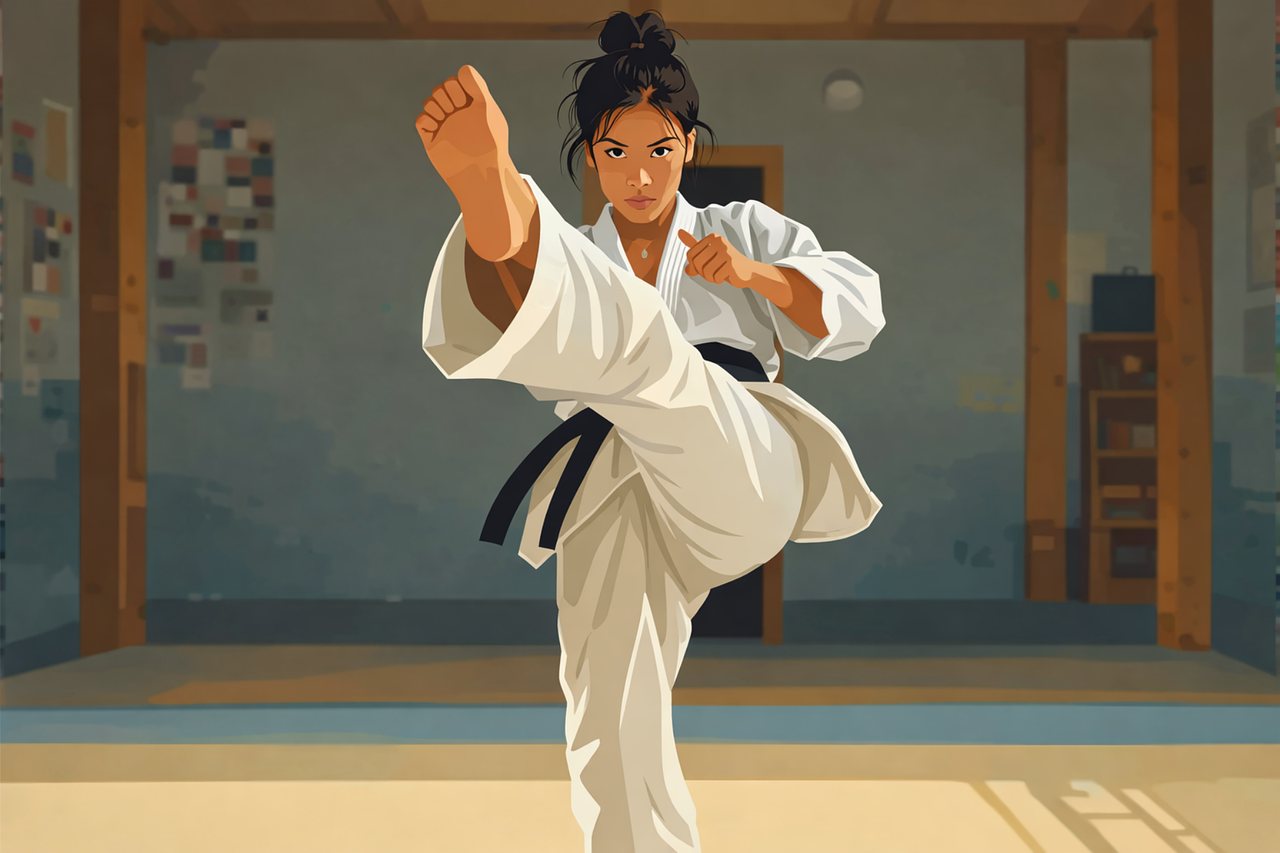

The Intersection of Ethics and Sportsmanship in Individual Martial Arts
In the realm of individual martial arts, the concepts of ethics and sportsmanship play a significantly vital role. These values shape the conduct of athletes and their approach toward competition. In a sport such as martial arts where physical contact occurs, ethical considerations become paramount. Athletes are tasked with adhering to the techniques and rules while maintaining a respectful demeanor toward their opponents. Fair play not only enhances the integrity of the sport but also cultivates a sense of respect among competitors. Today, many martial arts organizations emphasize the importance of ethical training alongside physical techniques. Ethical training often encompasses lessons in respect, humility, and honor. Athletes who embody these values are better equipped to handle victories and defeats alike. Moreover, practitioners learn that their actions reflect not only on themselves but on their instructors and the entire martial arts community. Thus, the pressure to perform ethically is both internal and external. To illustrate, many martial arts schools enforce a code of conduct that reinforces these values strongly. This cultivates an environment conducive to both personal and athletic growth.
One crucial aspect of ethics in individual martial arts is the notion of respect. Respect transcends simple sportsmanship; it encompasses admiration for the opponents, instructors, and the history of the martial art itself. An athlete demonstrating respect acknowledges the skill and dedication others put into the sport. This mutual recognition fosters a sense of community even in highly competitive environments. Additionally, respecting opponents can prevent unsportsmanlike conduct, which, if left unchecked, diminishes a sport’s integrity. Coaches and instructors often emphasize the necessity of respect in teaching martial arts. They instill these values in their students early on, ensuring that they grasp the importance of integrity in their interactions. When athletes recognize and practice respect, they contribute positively to their sport’s environment, encouraging others to do the same. Accepting defeat graciously and celebrating opponents’ victories without animosity also exemplifies this valued trait. Furthermore, incorporating respect into training prepares athletes for real-world scenarios where challenges arise beyond the dojo. Ultimately, adhering to the principle of respect affords martial artists a competitive edge not only through techniques but through character development.
Another pivotal element of ethical conduct in martial arts is the concept of honor. Honor refers to the dignity and integrity a practitioner holds during training and competition. It involves being true to one’s word and upholding the spirit of the sport. Upholding honor can manifest in situations where an athlete might achieve victory through questionable means. This raises ethical dilemmas that practitioners must navigate carefully to avoid tarnishing their personal reputation and the sport’s integrity. Honor is ingrained in many martial arts’ philosophies, often intertwined with their foundations. Therefore, when a martial artist competes honorably, they do more than pursue victory. They honor their ancestors, instructors, and the shared pursuit of martial arts excellence. This level of dedication to honor ensures that victories are achieved rightfully, upholding the credibility of referees, coaching staff, and fellow competitors. The emphasis on honor frequently translates to athletes engaging in self-reflection regarding their achievements. As a result, many martial artists work diligently to embody this particular value throughout their careers, discovering ways to reinforce it in every practice session and competition.
The Role of Integrity in Martial Arts
Integrity in individual martial arts embodies the commitment athletes must show to uphold ethical and moral standards. This transcends the competition, impacting everyday life as martial artists navigate ethical challenges within and outside the dojo. Integrity encompasses honesty, accountability, and self-discipline—qualities crucial for success in martial arts and life. When martial artists display integrity, they not only demonstrate their respect for the sport but also serve as role models for younger practitioners. This extends the reach of ethical behavior into broader contexts, nurturing a more extensive community of individuals devoted to ethical actions. Moreover, integrity affects how athletes respond when faced with challenges or disappointments, including judging errors or injuries. Athletes demonstrating integrity acknowledge their roles responsibly and work positively to improve themselves and their practices. This ethical foundation strengthens their disposition and instills resilience against outside pressures or temptations. Consequently, martial artists committed to integrity positively influence their peers, cultivating a community that embraces ethical training. Issues often arise when these values are compromised, leading to disputes that require resolution and understanding. Practitioners must remain vigilant and committed to these values.
Empathy is an essential quality that increasingly influences ethical standards in martial arts. Practitioners equipped with empathy demonstrate an awareness of their fellow competitors’ emotions and physical limits. This connection often leads to a more profound understanding of the importance of fair play and collaboration. Empathy encourages martial artists to create a supportive environment, particularly during training sessions and competitions where individuals push their limits. Athletes who practice empathy may be called upon to help their peers, enabling their growth and encouraging mutual respect. Understanding the struggles that fellow participants face fosters stronger bonds, promoting sportsmanship and camaraderie. For instance, when a competitor experiences a setback, empathetic athletes often extend their support, helping them recover and leading by example. Practicing empathy also enhances the ability to manage stressful situations, allowing athletes to maintain composure regardless of the circumstances. This characteristic ultimately contributes to long-lasting friendships and a sustainable martial arts community. When athletes develop their empathetic skills, they prepare themselves for not only individual competition but for leading teams in the future. Empathy is a powerful tool that enhances the martial arts experience for everyone involved.
Building Character through Martial Arts
Building character is another vital outcome of practicing martial arts ethics. Through consistent engagement, athletes develop values such as perseverance, humility, and hard work, all necessary for achieving success. The journey of mastering a martial art is filled with challenges that require complete dedication and efforts. Facing these challenges helps athletes cultivate resilience, a trait synonymous with strong character. Every setback, no matter how significant, provides an opportunity for learning and growth. As practitioners embrace difficulties, they learn to uphold ethical standards even when the stakes are high. Furthermore, the discipline instilled through rigorous training translates to all areas of life, fostering confidence and personal accountability. Role models within the martial arts community highlight the importance of character development, emphasizing that these values should extend beyond the dojo. Many practitioners find that this emphasis aids them in their academic and professional undertakings as well. Developing character through martial arts cultivates individuals who contribute positively to society, thereby reinforcing the overarching ethical framework that guides the sport. Ultimately, building character through martial arts enriches athletes and inspires others to embody similar values.
As martial arts continues to evolve, the conversation surrounding ethics becomes even more pertinent. With the rise of competitive events globally, martial artists must maintain their commitment to ethical principles. This includes adapting to new technologies, training methods, and competition formats that can challenge the core values of the sport. As exposure increases, so does the necessity for rigorous ethical standards to guide individual athletes. Engaging in discussions about ethical dilemmas poses opportunities to strengthen the understanding of core principles within the martial arts community. Addressing such topics encourages a forward-thinking attitude toward maintaining a culture of integrity. By staying informed on ethical issues, practitioners equip themselves with the knowledge needed to navigate their careers and support their peers effectively. Additionally, fostering open dialogues helps identify potential conflicts that may arise in various events. This ongoing engagement serves to cultivate a robust ethical foundation in individual martial arts practices. Overall, staying committed to ethical discussions ensures progression without compromising the essential values that have historically defined martial arts. By prioritizing ethics, martial artists can navigate their path while preserving the spirit of the sport.
In conclusion, the intersection of ethics and sportsmanship within individual martial arts highlights the importance of values like respect, honor, integrity, and empathy. As athletes embark on their martial arts journeys, these ethical principles serve as pillars guiding their conduct in competition and everyday life. They also reinforce the notion that martial arts extend beyond physical abilities. Instead, they represent a comprehensive program aimed at personal development and community building. By fostering character and ethical standards, martial artists pave the way for future generations to experience the positive impact of these practices. The competitive nature of martial arts does not have to negate respect and empathy. Instead, by embedding these principles deeply within each practitioner’s ethos, martial arts continues to thrive as a discipline that emphasizes both achievement and ethical obligations. Together, the martial arts community can face challenges ahead while honoring its rich traditions. Practitioners committed to ethical uprightness will contribute positively to their communities and inspire those around them. Ultimately, emphasizing ethics in individual martial arts enriches the overall experience, leaving an indelible mark on athletes throughout their lives.