
Advanced Techniques for Efficient Obstacle Navigation
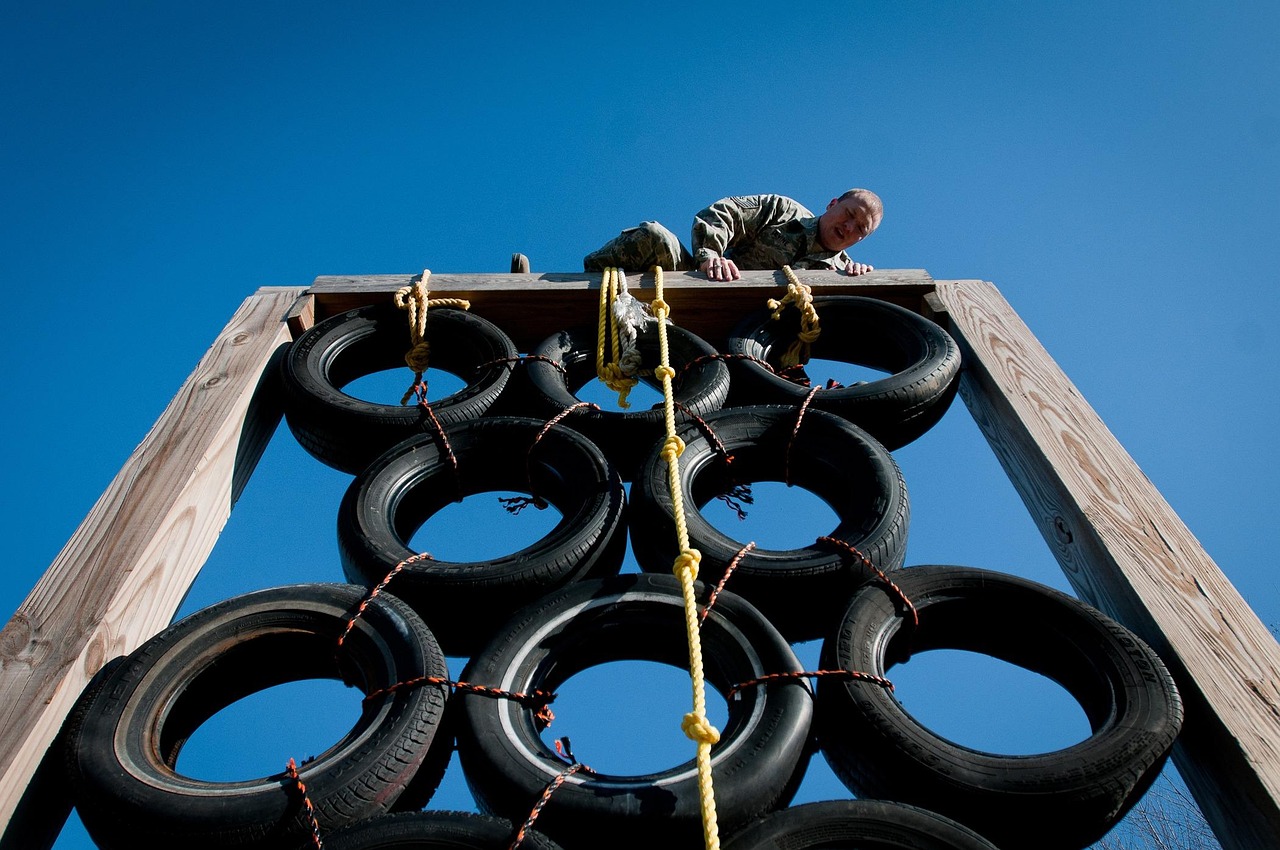
Obstacle Course Racing (OCR) demands not only physical strength but also advanced techniques to navigate through various challenges efficiently. Training effectively requires an understanding of specific skills vital for excelling in these courses. Enhancing your navigation efficiency involves mastering essential techniques and developing a comprehensive training plan. Firstly, consider focusing on agility drills that improve your quick directional changes and overall balance. Agility ladders and cone drills can significantly enhance your speed and response time when facing unexpected obstacles. Additionally, strength training is crucial; exercises like rope climbs, wall ascents, and monkey bars build the essential muscle groups. Incorporating functional movements such as squats, lunges, and deadlifts will prepare you for the physical demands of racing. Furthermore, practicing jumps and vaults can improve your ability to clear obstacles swiftly. Successful navigation isn’t only about speed; technique is equally important. Practicing smooth, fluid movements allows for better efficiency. Always analyze your performance and adjust your training regimens based on your results to maximize your improvement rate. This systematic approach will yield considerable benefits on the racecourse, ultimately refining your overall performance and skill set.
Body awareness is another critical component of obstacle navigation during training. Understanding your body’s capabilities and limitations will help prevent injuries and improve your execution during obstacles. Spend time working on core stabilization through exercises like planks and side planks, as a strong core provides balance and supports effective movement. Additionally, focusing on your wrist and grip strength, essential for climbing and hanging obstacles, allows for valuable training adaptations. Performing dead hangs on bars or practicing farmer’s carries can develop crucial grip strength. In addition to physical abilities, mental endurance plays a significant role in obstacle racing. Developing a strong mindset can help you remain focused during challenging segments of a race. Visualization techniques can assist in anticipating obstacles, comprehending your movements, and overcoming fears that arise during high-pressure situations. You can enhance this skill through regular practice and mindful approaches. Moreover, simulate race conditions during training to build your stamina and adapt to racing stress. Engaging in competitive training sessions with fellow athletes will expose you to different techniques and obstacles, helping further refine your skills to tackle complex scenarios efficiently.
Cardiovascular Conditioning for OCR
Excellent cardiovascular conditioning is paramount when it comes to endurance racing such as OCR. The ability to maintain stamina throughout the course significantly influences your performance. Integrating high-intensity interval training (HIIT) into your regimen can be particularly beneficial. HIIT workouts alternate between bursts of high-intensity effort and lower-intensity recovery, helping increase both aerobic and anaerobic capacity. For example, sprint intervals combined with bodyweight exercises like burpees or squat jumps develop explosive power while enhancing lung capacity. Long runs combined with occasional obstacle simulations will provide a solid aerobic foundation vital for endurance. Additionally, cross-training with activities such as swimming or cycling can reduce impact stress on joints while building overall cardiovascular fitness. Don’t forget the importance of hydration and nutrition in supporting your performance, as the right fuel will aid in recovery and energy levels during training and racing. Implementing recovery days and appropriate rest periods in your training plan helps your body adapt and enhances performance stability. Ultimately, balanced conditioning that focuses on endurance, strength, and recovery will maximize your performance potential during obstacle courses and prepare you for unexpected challenges during races.
Technical skill acquisition cannot be overstated in OCR training. Each obstacle presents a unique technical challenge, requiring specific skills to navigate effectively. Invest time analyzing complex obstacles such as rope climbs or balance beams, and break them down into manageable techniques. Practicing these segments separately, ensuring you build a strong foundation before attempting the full obstacle, is essential. Focus on body positioning, timing, and momentum to conquer difficult challenges confidently. Using video analysis to review your movements may help identify areas for improvement. Furthermore, ensure you train on various terrains, as different surfaces and inclines can greatly impact performance. Consider enhancing your proprioception by practicing on uneven surfaces such as sand or gravel, leading to improved spatial awareness and adaptability while racing. Working with experienced OCR competitors or trainers can also provide invaluable insights into advanced techniques and personal strategies. Learning from others can enhance your understanding of different approaches, contributing to a well-rounded skill set. Training with a diverse group and involving community challenges can create an enjoyable learning environment where participants motivate and inspire each other toward their goals, thus fostering skill growth.
Navigating Mental Challenges
The psychological resilience required in OCR is just as important as physical strength. Often, the mental barriers can be far more challenging than the obstacles themselves. Improving mental toughness can significantly enhance performance in high-stress situations during a competition. Techniques such as mindfulness or breath control can improve focus and help manage anxiety. Practicing emotional resilience through visualization can prepare athletes for stressful race conditions by mentally rehearsing different race scenarios. Learning to embrace discomfort and overcoming fears is an integral part of training; pushing through tough workouts teaches the mind to focus on attaining goals despite challenges. Developing a support network of fellow racers or trainers can also provide motivation and accountability during preparation. The shared experience of OCR training can foster camaraderie and enhance mental fortitude among participants. Additionally, establishing pre-racing routines and rituals helps create a sense of familiarity and control in an unpredictable race environment. Taking time for recovery and reflection on past performances plays a key role in growth; learning from each experience will ultimately sharpen your core competencies for successful participation in obstacle racing.
Finally, the importance of injury prevention cannot be underestimated in an advanced OCR training regimen. Developing a strong, injury-free body is essential for consistent training and competition. Prioritizing warm-up and cool-down routines fosters flexibility and mobility, while balancing diverse training modalities ensures muscle groups develop appropriately. Engage in strength, speed, and endurance training but always maintain proper technique to prevent strain during critical movements. Consistently incorporating recovery practices such as foam rolling, stretching, and massage will mitigate potential injuries and ensure a well-rounded approach to training preparation. Additionally, listening to your body and responding to fatigue signals can avoid burnout or overuse injuries. Seeking guidance from physical therapists or trainers specializing in OCR can provide personalized injury prevention strategies. Nutritional strategies, including properly eating post-training and consuming anti-inflammatory foods, play a role in maintaining injury-free states. The combination of focused training, effective recovery strategies, and injury awareness will contribute to achieving optimal performance levels while ensuring longevity in the sport. It enhances the enjoyment of obstacle racing, allowing you to push boundaries and realize your full potential.
Conclusion
In conclusion, adopting advanced training techniques will significantly enhance your efficiency in obstacle navigation during OCR competitions. Prioritizing a balanced approach that emphasizes strength, endurance, mental fortitude, and technical skill acquisition will lead to comprehensive development within the sport. Utilizing smart training strategies, incorporating feedback loops, and understanding injury prevention tactics prepare athletes to tackle challenging obstacle courses effectively. Remember that consistency is key; continuous improvement hinges not only on the techniques themselves but also on the mindset with which these strategies are pursued. Keeping your training diverse and engaging can sustain your motivation and commitment throughout the racing season. Together, these techniques foster an enjoyable and fulfilling experience in obstacle course racing, celebrating the challenges and victories alike. So gear up, embrace the thrill, and continually seek progression to refine your skills and achieve your racing goals. Empower yourself through these techniques and witness substantial improvements in performance and enjoyment of your OCR journey, leading to successful completion of tough obstacles.