
Choosing the Right Rowing Shell: Sculling or Sweep
Rowing is a sport that brings together athletes of all skill levels across various waters. One major distinction within rowing is the difference between sculling and sweep rowing. Sculling involves each athlete using two oars, one in each hand, allowing for greater maneuverability and individual technique development. This style typically provides rowers with more control over their boat’s direction and speed. In contrast, sweep rowing has rowers using one oar, which requires timing to coordinate with a partner. For many athletes, understanding these differences is key to choosing the right shell. Selecting between the two forms has both psychological and physical implications, which depend on racing interests and personal preferences. Every rower’s experience can vary based on these choices. Therefore, young and new rowers often face the challenge of making this decision early in their training. As they progress, personal preference and performance outcomes may lead them in one direction over the other. Ultimately, thorough exploration of both styles can aid in deciding which rowing approach will yield the most fulfilling experiences.
For beginners, familiarity with these rowing styles is sometimes limited but essential to mastering technique. When starting in rowing, many coaches suggest sculling as the primary method. This is because sculling builds symmetry and balance throughout the body, which is especially important for newcomers. Since each rower in sculling handles two oars, the learning curve may feel less daunting. This is beneficial as it allows for individualized coaching and immediate feedback on stroke technique. Furthermore, this dual-oar system often results in quicker initial success, boosting confidence for novice rowers. Conversely, sweeping allows participants to experience teamwork dynamics more intensively. Athletes learn how to synchronize movements with teammates, fostering interpersonal skills essential for any team sport. However, the coordination between two rowers may initially present challenges for beginners. Therefore, it is advisable for novice rowers to explore both styles. After spending time in both forms, individuals can identify preferences and strengths. Each method contributes uniquely to one’s overall rowing abilities. Understanding personal interests in competition can also influence the eventual choice of rowing shell.
Assessing Equipment for Rowing
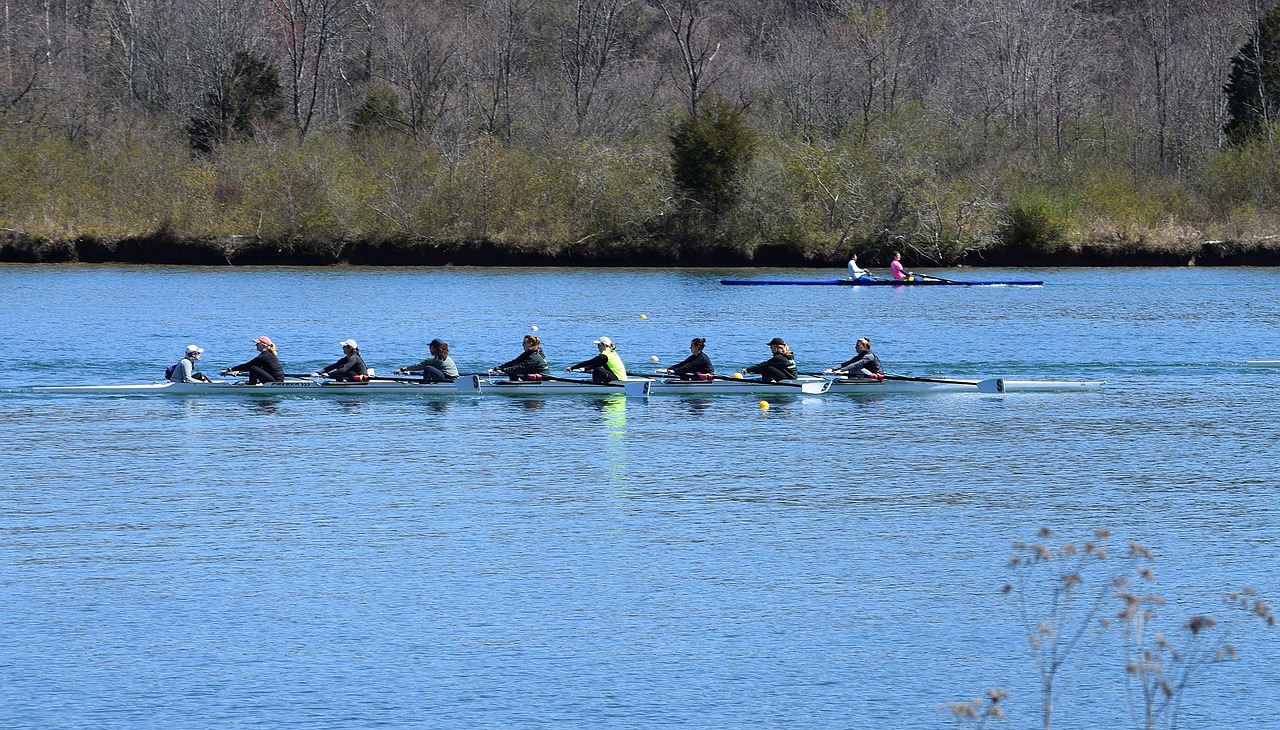
When choosing between sculling and sweep rowing, the selection of equipment plays an integral role. Different types of shells exist, optimized for their respective styles. Sculling boats, typically arranged in singles, doubles, or quads, are sleek and narrow, built for stability and speed. The construction usually favors lighter materials, enhancing agility. Sweep rowing boats, on the other hand, come in larger variations such as pairs, fours, or eights, designed to accommodate the teamwork aspect. The design slightly differs, often incorporating a broader body to withstand the forces produced by multiple rowers. Each style also requires specific oars, influencing performance. For sculling, oars are shorter and equipped with a more extensive blade area to maximize grip in the water. In contrast, sweep oars are longer, enabling leverage needed for a single rower’s stroke. When choosing a shell, first-time buyers should evaluate the primary training focus. Consultations with coaches and experienced rowers can also guide selections. Engaging with local rowing clubs might offer opportunities to test different equipment, giving firsthand experience to inform your decision.
Another significant aspect to consider when deciding between sculling and sweep rowing is the overall adaptability of each style. Sculling boats often allow for greater individual versatility since rowers can practice alone without requiring a partner. This feature makes sculling popular among recreational rowers who may not always have access to a teammate. Individual practice can lead to self-improvement, essential for any serious rower dedicated to refining skills. In contrast, even though sweep rowing emphasizes teamwork, it can sometimes be challenging for rowers who prefer individual training. Yet, the camaraderie gained from partnering with a teammate remains a cherished experience for many. The bond created through synchronized efforts during racing plays a vital role in the sport. Both styles present unique avenues to develop athletic prowess. What is paramount is each athlete’s willingness to commit time to practice and improve. As rowers spend more time in their chosen style, they develop specialized techniques suited for their preferred method. Ultimately, the best choice caters to personal goals, ambitions, and enjoyment within the sport.
Understanding Skill Development
The skill development associated with sculling versus sweep rowing offers each discipline distinct benefits. In sculling, rowers become proficient at individual strokes while enhancing their coordination using two oars. This level of proficiency promotes a deeper connection with their boat. As they learn to navigate through water effectively, rowers undergo continuous training in balance and timing. In contrast, sweep rowing hones specific skills in cooperation and timing with a partner. Synchronization becomes crucial as rowers learn to execute their strokes in harmony. Both methods ultimately reinforce necessary endurance and strength vital for any competitive athlete. Coaches often emphasize individualized assessments when training, ensuring rowers receive specialized feedback suited to their chosen style. As athletes advance, they may find success regardless of the discipline chosen. Infinite possibilities exist for development within both styles, providing intrinsic value to one’s rowing journey. Engaging in a variety of practices can enhance overall athleticism, creating well-rounded competitors. Aspiring rowers should not fear experimenting across both styles of rowing to discover their true passion for the sport. Understanding the importance of adaptability is key in long-term athletic growth.
Another pivotal consideration when choosing between sculling and sweep rowing is the potential for competition within each style. In competitive environments, both disciplines feature numerous events at various levels of rowing. Sculling events often include races ranging from singles to quads, where achieving personal best times is a core focus. The individual nature of these races can inspire rowers to compete against themselves, fostering high levels of personal achievement. Conversely, sweep rowing events encourage team dynamics and collaboration. The focus can be on group achievements rather than solely individual performances, which may resonate with specific athletes who thrive in team settings. Furthermore, the shift from individual to team competitions can create varying emotional experiences when participating in races. By exploring competitive options within both categories, rowers can discover the challenge that best suits their aspirations. While racing provides an exciting avenue for honing skills, the social interaction inherent in either discipline can foster lifelong friendships. Ultimately, how satisfaction derived from each style can lead rowers on enriching journeys throughout their competitive careers.
Conclusions on Choosing a Rowing Style
Finally, evaluating personal preferences and long-term goals can effectively aid rowers in selecting the best style. Sculling may cater to athletes who prefer solo training and wish to develop a strong personal connection to their technique. This style is perfect for those who enjoy the freedom to train at their pace while still experiencing a sense of independence. Conversely, athletes drawn to teamwork and collaboration may find joy in sweep rowing. The emotional benefit of building bonds with teammates can create emotionally rewarding experiences. Additionally, adapting social elements from the sport can lead to lasting friendships beyond the water. Rowers often note that the connections made through teamwork have profound impacts on personal growth both as an athlete and an individual. Regardless of choice, both rowing styles offer a wealth of experiences waiting to be discovered. It is critical that athletes remain open-minded during their journey, allowing for personal growth and exploration within each discipline. Ultimately, the ideal rowing style aligns with individual aspirations, personality, and competitive goals.
Visual representation of the differences between sculling and sweep rowing can enhance understanding while exploring personal choices. Engaging in discussions with local rowing clubs or partners can also clarify the specific benefits of both styles. Consider participating in rowing camps that cater to various skill levels, offering exposure to both methods within a short duration. As rowers gain experience, the knowledge gained will transform how they perceive each method and its respective advantages. Therefore, familiarizing oneself with both techniques prior to making decisions is paramount. As well, using resources such as books, videos, and articles allows rowers to conduct more thorough research. Together, these strategies will aid in making an informed choice that enriches the rowing journey.