
How to Balance Aggressiveness and Control in Blocking
Blocking is a crucial defensive skill in volleyball that can greatly shift the momentum of a match. It is essential for players to learn how to balance between being aggressive and maintaining control. Aggressive blocking can intimidate opponents, but it must be complemented by focus and precision. To achieve this balance, players should begin by mastering the fundamental techniques of blocking. Proper footwork is vital; players need to position themselves effectively to cover angles and react to the ball. Utilizing jump timing is also key; players should learn when to jump to maximize their blocking potential. Additionally, understanding the opposing hitters’ tendencies can help players anticipate and move accordingly, thereby enhancing both aggressiveness and control during a block. Using reach maximally ensures that the player’s hands are over the net and ready to intercept the ball. Focusing on these aspects will not only enhance efficiency but also build confidence in your blocking abilities. By incorporating these strategies into regular training sessions, players can develop a robust blocking routine that embodies both aggression and calculated control, ultimately improving their overall performance in matches.
Setting realistic goals during drills is another element of training that should not be overlooked. Establishing benchmarks for performance helps athletes gauge their improvement over time. These goals should focus on refining specific aspects of the blocking technique, such as jump height, timing, and hand positioning. Practicing with purpose during training can directly elicit positive from players’ skills, enabling them to react better under pressure. It’s beneficial to simulate game scenarios in practice so that players can get accustomed to the speed and unpredictability of actual matches. Peer feedback during training can also provide insights into how blocks can be modified for greater effectiveness. Moreover, visualization techniques can play an aspect in training, allowing players to mentally rehearse their movements. During these sessions, they should be encouraged to visualize not only their successful blocks but also the mental preparation required blending aggressiveness with control. Strength training is another component that can enhance blocking capabilities, contributing to increased jump height and stability. Managing physical condition effectively will, in return, assist in achieving a balanced blocking technique.
Understanding the Importance of Timing
Timing fundamentally influences the effectiveness of a volleyball block. Players must develop a sense of when to initiate their jump, as a well-timed block can lead to successful deflections and momentum shifts. Proper timing also helps ensure players do not jump too early or too late, both of which can result in poor block execution. Practicing different scenarios with teammates can improve this timing aspect. Players should focus on observing the hitter’s approach, as it provides clues that inform the defender of when to jump. The nature of the hit – whether it’s a hard-driven spike or a soft tip – also influences timing decisions. Incorporating reaction drills that emphasize quick responses can enhance overall blocking efficiency. Furthermore, adjusting to each opponent’s playing style requires an ongoing learning process throughout the season. Therefore, an athlete needs to be observant and adaptable. Coaches should encourage players to discuss successful blocking techniques and mistakes made during matches. This reflection can help solidify understanding and bolster confidence for future blocking opportunities, leading to improved outcomes in competitive situations while maintaining controlled aggression.
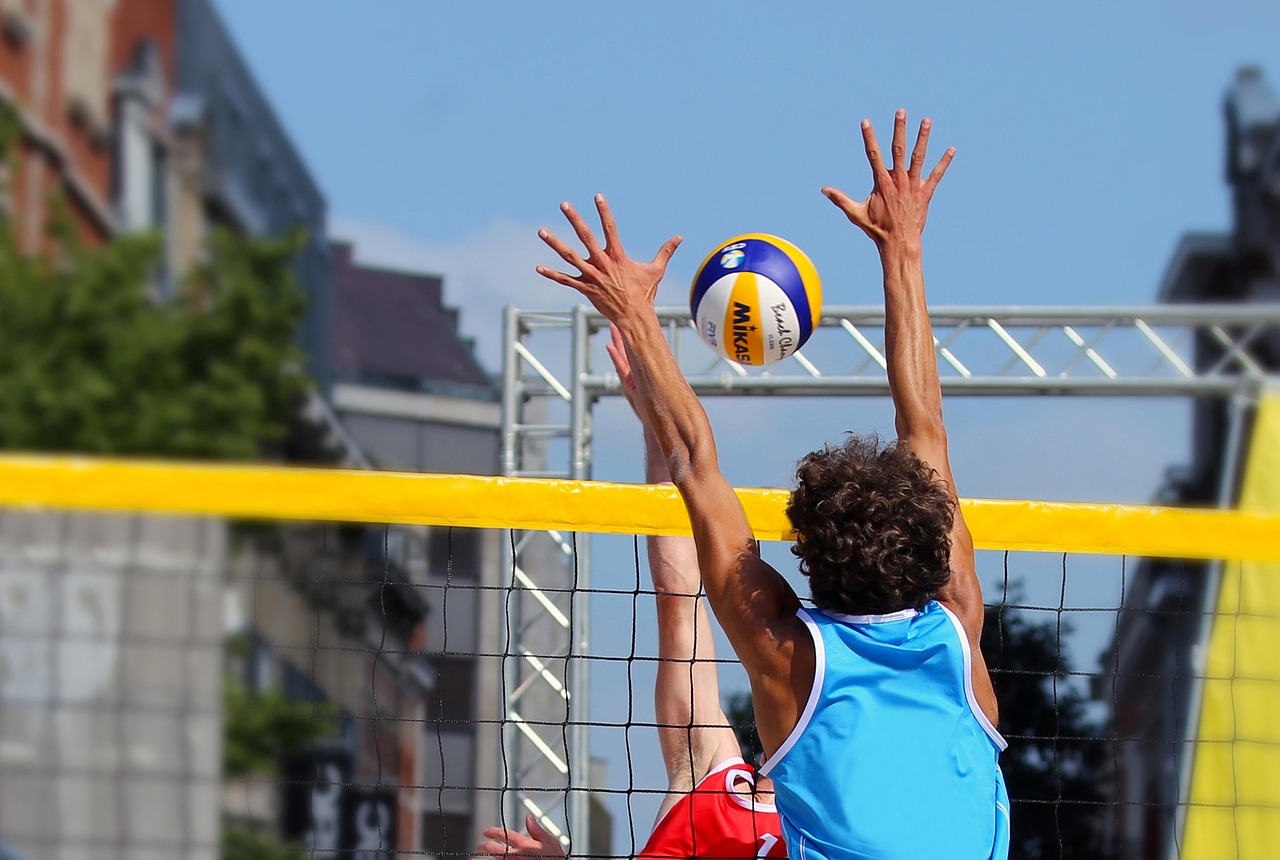
Another important aspect of blocking is hand positioning and reach. Proper hand placement can significantly enhance the effectiveness of a block. Players need to ensure their hands are high above the net, with fingers spread wide to maximize the coverage area. This configuration increases the chances of deflecting the ball off their hands in a controlled manner, redirecting it to a desired part of the court. Additionally, understanding the angle at which to position their hands can influence the outcomes of blocks. Players should experiment with different angles during practice to see how the ball reacts upon contact with their hands. Consistent training with varying hand positions can lead to increased versatility in blocking against different types of hitters. Athletes must also communicate with their teammates to ensure that everyone is aware of the block they are executing; this teamwork is especially vital during complex plays. Incorporating these techniques into regular training while emphasizing effective follow-through movements is essential. A successful block often leads to a quick transition into the next phase, either capitalizing on an offensive opportunity or setting up for defensive strategies more effectively.
Developing Mental Toughness
Mental toughness is an often-underestimated trait in the realm of volleyball blocking. It includes the resilience to overcome mistakes and the discipline to maintain focus during high-pressure situations. A player who can process failures and setbacks without letting them overshadow their performance generally develops confidence, which is crucial for effective blocking. During training sessions, coaches should encourage athletes to build fortitude by incorporating situational drills that mimic intense match environments. This helps players learn to stay composed. Visualization and mindfulness are powerful techniques that can help enhance a player’s mental resilience. Athletes can practice these mindfulness techniques before and during games to minimize distractions and alleviate nervousness. In addition, developing a strong support network among teammates fosters a culture of encouragement and motivation. This supportive environment contributes to individual mental strength, allowing players to communicate clearly during games. Players should believe in their skills to execute aggressive blocks without hesitating. Practicing mindfulness, self-belief, and reactive drills creates a solid core of mental toughness, enabling volleyball players to balance physical aggression with mental control efficiently for enhanced performance overall.
Feedback and continuous learning are essential components in mastering volleyball blocking techniques. Players should seek constructive criticism from coaches and peers. This feedback loop helps identify areas requiring improvement, from timing issues to hand placement inconsistencies. Establishing a routine that encourages players to self-evaluate their blocking techniques can facilitate significant growth. Watching game footage and analyzing block executions, mixed with reflection, allows players to gain insights into opponents’ strategies. This analysis leads to a more profound understanding of how to react effectively in varied scenarios. Leveraging technology to capture performance can provide additional benefits, allowing players to see firsthand the results of their training efforts. By breaking down successful blocking instances and learning from failures, players can develop strategies that reinforce their strengths while addressing weaknesses. This blend of accountability and shared learning can significantly enhance the overall effectiveness of blocking techniques. Furthermore, sharing effective blocking strategies and insights with teammates fosters a collaborative atmosphere that benefits all. Cultivating an environment of growth and inquiry will not only enhance individual contributions but also positively influence overall team performance in competitive matches.
Conclusion: Achieving Balance
In conclusion, balancing aggressiveness and control in volleyball blocking is imperative for defensive success. Each player’s journey toward mastering this balance involves understanding techniques, timing, hand positioning, and enhancing mental resilience. Achieving this equilibrium fundamentally enhances defensive capabilities on the court, leading to more significant contributions during matches. Regular practice focused on refining these aspects lays the foundation for greater confidence and effectiveness during competitive scenarios. It is crucial for players to remain adaptable and continuously refine their strategies based on feedback and observational learning. Equally important is maintaining open communication with teammates to foster a supportive network that promotes synergy and collaboration. A well-executed block can deflect a ball forcefully, potentially disrupting the opponent’s play, but it requires thoughtful execution and coordinated effort. Through dedicated practice, conscious engagement, and a commitment to personal growth, players can excel at blocking while seamlessly integrating aggression with control. Ultimately, this balance not only enhances individual performance but also elevates the team’s capabilities, contributing to a more robust competition in volleyball.
By combining effective strategies with creativity and instinct, players can navigate the complexities of blocking, transforming their game significantly. Exploring innovative techniques allows players to develop a unique blocking style while harnessing the principles discussed in this article. As athletes refine their skills, they learn that adaptability is a key component while executing techniques both aggressively and with control. Individual practice time, along with team training sessions, can reinforce these concepts, leading to well-rounded performances in matches. Emphasizing the importance of feedback and personal reflection supports players in evolving their skills continuously. Furthermore, embracing collaboration fosters a team environment where shared experiences and insights benefit overall individual growth. Coaches play a pivotal role in guiding the learning process, providing timely feedback and encouragement while adapting training approaches to suit players’ needs. Celebrating achievements boosts morale, motivating athletes to strive for improvement. Ultimately, the art of balancing aggression with control in blocking is a lifelong journey; players should remain committed to ongoing learning. By employing these principles consistently in their training regimen, volleyball players can create a lasting impact in their performances while building a resilient approach adaptable to any environment they face.