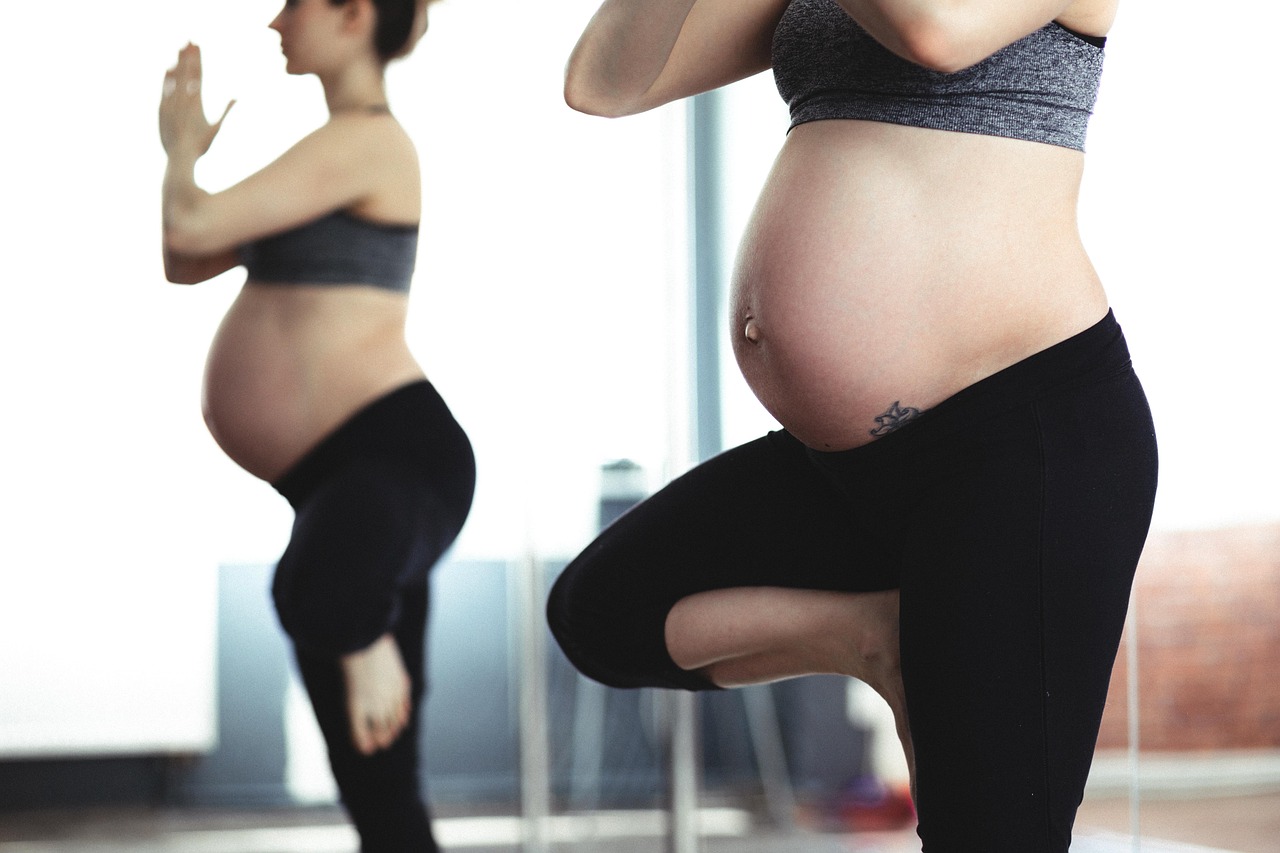

Guidelines for Resistance Training in High-Risk Pregnancies
High-risk pregnancies demand special considerations regarding exercise. Pregnant individuals experiencing conditions such as hypertension, diabetes, or cervical insufficiency require careful assessment prior to participating in any physical activity. It is vital that healthcare providers tailor exercise programs to suit individual needs and ensure safety. Before implementing resistance training, a thorough evaluation process should include medical history reviews and doctor’s clearance. Resistance training offers benefits such as improved strength, better body mechanics, and reduced discomfort. Women must opt for low-resistance exercises and prioritize proper form over lifting heavier weights. Incorporate body-weight exercises like squats and modified push-ups that limit strain while still providing strength benefits. Each workout session should not exceed 30 minutes, with ample warm-up and cool-down periods. Warm-ups help prepare the body for exercise, while cool-down activities assist with recovery. It is also advantageous to establish a regular exercise routine, aiming for at least three workouts weekly. Consult a fitness expert familiar with prenatal fitness to optimize plans and manage changes. Monitoring responses to workouts is essential, as adjustments might be necessary throughout the pregnancy journey.
Exercise modifications must be considered throughout pregnancy. Women with high-risk conditions may experience restrictions based on physician advice. It is crucial to listen to the body and adjust the regimen based on comfort levels and energy. Engage in exercises that promote flexibility without overstressing the body. Resistance bands, light weights, and stability balls are advantageous for low-impact approaches. Opt for sitting or lying down modifications to reduce balance challenges and lower the risk of falls. Always start with a gentle movement sequence before progressing to more challenging exercises. Perform exercises in a comfortable and safe environment, ensuring that adequate space and supportive surfaces are available. It is beneficial to work collaboratively with physical therapists or specialized trainers, who can help if there are any complications. Regular check-ins with healthcare providers during this period are important to monitor the mother’s physical status and adjust training programs accordingly if risks increase or symptoms arise. Creating awareness of the body’s signals will assist in developing self-care strategies while maintaining physical activity. Communication with partners or family about activity plans can also contribute positively to emotional support during workouts.
Safe Resistance Training Techniques
Prioritize safety when engaging in resistance training during high-risk pregnancies. Utilizing machines in a gym setting can provide added support compared to free weights. Equipment such as resistance bands or light dumbbells offer controlled movements, promoting both strength and safety. Performing modified movements can help avoid excessive strain on the abdominal area or back, especially when lifting. A focus on the upper body can be particularly beneficial, allowing for safer alignment and reduced risk of injury. Resistance exercises for the pelvic floor are highly encouraged, given their role in supporting pregnancy. They help prepare for labor and delivery, as well as recovery thereafter. Incorporating core stabilization work utilizing fit balls may also strengthen the abdominal muscles while keeping the body balanced. Establishing a clear progression plan for strength training can be helpful, ensuring that exercises become progressively challenging while maintaining stability. Utilize mirrors or visual feedback mechanisms to maintain proper form. Invite a partner or a friend to support accountability, ensuring consistent attendance at workouts while providing additional motivation throughout the journey. Avoid any exercise causing pain, extreme fatigue, or discomfort.
Hydration is critical during resistance training throughout pregnancy. Ensure to consume adequate fluids before, during, and after exercise sessions to keep the body hydrated and to support both mother and baby. Focus on beverages rich in electrolytes, especially during warmer months or in humid conditions. Warm-up exercises should gradually increase heart rate, preparing muscles for exertion while improving circulation. Include simple, dynamic movements like arm circles and leg swings. Cooling down after workouts, through stretches and deep-breathing exercises, can aid muscle recovery and relaxation. Focus on slow stretches targeting major muscle groups for comprehensive recovery. Listen to the body’s feedback during workouts—rest or modify exercises as needed. Implementing rest days into the exercise routine is vital, allowing the body to recover effectively. Support systems, including consulting with other high-risk pregnant individuals or joining specialized classes, can enhance overall well-being. Develop a nurturing environment that fosters physical activity and encourage open communication about any challenges or feelings experienced during workouts. Implementing these strategies can contribute to a healthy pregnancy experience while enhancing mental and physical conditions.
Monitoring Health During Exercise
Continuous monitoring of health while exercising is essential during high-risk pregnancies. Recording any changes in symptoms or unusual feelings should be a priority. Sudden dizziness, shortness of breath, or severe fatigue can be warning signs that require immediate attention. Establish a routine for checking heart rate to ensure exercise is within safe limits, typically 120-140 beats per minute during workouts. Regular assessments can help detect any potential issues early. Utilize fitness tracking devices to maintain awareness of physical exertion levels and adjust workouts accordingly. Keeping a fitness diary can provide insights into patterns of activity, fatigue, and health markers. Always discuss any concerns with healthcare providers, who can give specific advice based on individual risk factors. Pay attention to baby movements during this time; any significant decrease in activity may warrant further evaluation. Communication with exercise partners about any discomfort or fatigue can facilitate necessary adjustments. Partnering with a healthcare professional to create an individualized plan ensures exercises remain safe and effective for both mother and baby. Adjusting lifestyle factors, such as diet and sleep patterns, can also optimize exercise effectiveness.
Incorporating mindfulness and relaxation techniques into exercise routines can be beneficial. Practices such as yoga and Pilates focus on breath control while promoting relaxation. These methods allow for connecting with the body, enhancing body awareness. However, modifications are essential for pregnant individuals with complications, as certain positions may require adaptations. Engage in seated yoga to avoid compromising balance. Mindfulness exercises can alleviate stress, fostering better mental health during a demanding time. Regularly practicing these techniques can combat anxiety, enhance overall mood, and support the well-being of both mother and baby. Prioritize inclusion of low-impact exercises to promote joint health. Additionally, consider incorporating social aspects into exercise routines; group classes can provide motivation and camaraderie. Surrounding oneself with positive influences can uplift the emotional experience. Discuss preferences with healthcare providers regarding additional support systems. If pursuing home workouts, create an inviting and comfortable space conducive to relaxation and focus. Connecting with others prepares the body for the emotional rollercoaster of pregnancy. Ultimately, finding joy and satisfaction in these physical activities enriches the experience and fosters a healthier journey.
Conclusion and Encouragement
In conclusion, resistance training during high-risk pregnancies can be empowering when conducted mindfully and safely. Establishing a personalized plan allows individuals to engage positively with their bodies undergoing significant changes. Gather information and support from a range of resources, including healthcare providers, parental classes, and reputable online content. The strength gained during this time transcends physical benefits, fostering mental resilience and confidence. Overcoming challenges together with healthcare teams and support networks creates a foundation for positive health experiences. Celebrate all progress—no matter how small—and remember to listen to yourself. Staying attuned to physical signals during workouts is essential. By embracing this journey collaboratively with providers, pregnant individuals can effectively continue to prioritize their health. Achieving optimal well-being requires attention to specifics, such as methods, frequency, and intensity, while remaining within recommended limits. Staying informed and proactive ensures that the focus remains on nurturing both body and mind. This period is a precious time of growth; cherish the strength built throughout these months. Ultimately, prepare for a joyous and fulfilling journey ahead.
In summary, maintaining fitness through resistance training during high-risk pregnancies requires careful consideration and adaptation. Recognize that each individual’s needs are unique, and it’s crucial to work closely with healthcare providers. Whether teaching family members about the exercises or engaging support systems, don’t hesitate to seek assistance. Informing loved ones about plans for physical activity can enhance emotional backing. Engage in rest days or gentle movements when fatigue sets in. Frequent evaluations will help adjust approaches, ensuring ongoing safety. Always remember that every small step contributes positively to long-term health. Nutrition and hydration play integral roles, enhancing overall fitness during this journey. The importance of mental well-being cannot be understated; it’s beneficial to engage in mindful practices alongside physical activity. Encourage love and care for oneself and the baby throughout this experience. Maintain communication with healthcare providers to facilitate positive results in resistance training and overall health. Creating a positive outlook and community around fitness will uplift the pregnancy experience. Continue to approach fitness with optimism, patience, and flexibility, allowing for growth as your body changes.