
Caffeine in Energy Bars and Sports Drinks: Friend or Foe?
Caffeine has been widely recognized for its potential benefits in enhancing athletic performance. Athletes often seek energy bars and sports drinks containing caffeine to boost their endurance and alertness during activities. The primary advantage lies in caffeine’s ability to increase focus, allow longer training sessions, and help in faster recovery. As its popularity rises in the sports nutrition market, many brands are adding caffeine to their products for these reasons. Not only does caffeine improve aerobic performance, but it can also enhance muscle contraction, which makes it intriguing for explosive strength sports too. However, the key is optimal dosage, as excessive intake may lead to adverse effects. Certain physiological factors determine individual responses to caffeine, like genetic differences in metabolism and tolerance. Athletes must experiment and find their ideal caffeine balance to maximize performance while minimizing jitters and other unwanted side effects. Also, it is crucial to be mindful of hydration while consuming caffeinated products. Understanding the mixture of ingredients in energy bars and drinks can lead to better choices for athletes focusing on nutrition during training and competition.
Potential Benefits of Caffeine for Athletes
One of the significant benefits of caffeine consumption is its ability to enhance physical performance. Studies indicate that adequate caffeine consumption can elevate overall endurance during lengthy workouts. Athletes often report improved stamina, enabling them to push through their limits during training or competitive events. Furthermore, caffeine can act as an effective ergogenic aid, allowing athletes to delay fatigue, increasing time to exhaustion. This is particularly critical in endurance sports such as running, cycling, and swimming. Additionally, caffeine is known to lower perceived exertion levels, making intense activities feel somewhat easier. This is beneficial when athletes strive to maintain performance during high-stress periods. Apart from physical benefits, caffeine can also improve cognitive functions, including reduced reaction time and enhanced mental alertness. These psychological advantages can affect performance positively in competitive situations, where focus and quick decision-making are essential. However, it is vital for athletes to explore their tolerances and specific needs, as each individual’s response to caffeine can differ based on genetics and habitual consumption.
While discussing caffeine in energy bars and sports drinks, it’s essential to highlight the risks associated with excessive consumption. Though moderate caffeine intake has numerous advantages, overindulgence can lead to unwanted side effects. Common symptoms include nervousness, restlessness, gastrointestinal distress, and disrupted sleep patterns. Athletes must be wary of these adverse reactions, especially when preparing for competitions or crucial training sessions. One often overlooked issue is caffeine dependence; regular high consumption may lead body to rely on caffeine for energy. This could diminish the positive effects over time and necessitate higher doses to achieve the same performance boosts. Additionally, rapid consumption of caffeinated products can lead to a quick spike in energy followed by a sudden crash, negatively affecting performance. It’s crucial for athletes to measure their caffeine intake from all sources, as many energy bars and drinks contain varying amounts. Finally, consulting with registered dietitians or nutritionists can provide personalized guidance on optimal caffeine use tailored to individual needs and fitness goals, thus maximizing the benefits while minimizing risks.
Choosing the Right Energy Bars and Drinks
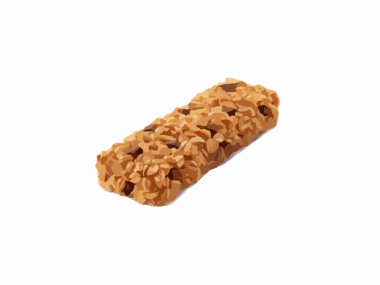
When selecting energy bars and sports drinks, careful evaluation of their ingredients is vital. Consumers should aim for products that provide clear nutritional information, including caffeine content. Athletes should opt for energy bars made with whole ingredients, minimizing processed sugars and artificial additives. Attention to protein and carbohydrate balances can also enhance performance during workouts and recovery. Many brands offer caffeinated options; therefore, understanding the source of the caffeine is crucial. Natural caffeine from sources like green tea or guarana may provide different effects compared to synthetic caffeine. Moreover, athletes should look for a blend of nutrients that aid in sustained energy release, rather than a sugar rush with a quick drop afterward. Finding the right balance of fats and carbohydrates combined with caffeine is essential for maintaining focus and performance. Reading product reviews or seeking recommendations from fellow athletes can help discover brands that align with nutritional needs. Additionally, simple homemade options for energy bars can allow better control of ingredients and caffeine levels to meet personalized dietary preferences directly.
Hydration is another crucial element when discussing caffeine in energy bars and sports drinks. Caffeine has diuretic properties, which may lead to increased fluid loss during intense exercise. Therefore, athletes must keep track of their hydration levels, especially when consuming caffeinated products. Individual responses to caffeine can vary, so maintaining a balance between caffeine intake and hydration is necessary to optimize performance. Drinking water or electrolyte solutions alongside caffeine sources can help mitigate dehydration risks. Also, conducting hydration and caffeine trials during training can offer insights on ideal consumption patterns before major competitions. Moreover, it would be beneficial to avoid caffeine close to sleep time, as this can negatively impact recovery and rest, which are vital for any athlete’s program. Developing a pre-training and post-training nutrition plan may ensure athletes are properly fueled and hydrated while considering caffeine levels. By prioritizing these practices, athletes can harness the advantages of both caffeine and hydration, thus enhancing overall athletic output and well-being.
Research Studies on Caffeine
Numerous studies have investigated the impact of caffeine on athletic performance, yielding varying results. Specific research suggests that caffeine can significantly improve endurance, strength, and cognitive function in athletes. However, results often depend on factors such as dosage, exercise type, and time of consumption. One noteworthy study shows that consuming caffeine one hour before exhaustive exercise led to improved performance in distance runners. Another research indicates that endurance athletes may experience increased power output when supplemented with caffeine during prolonged activities. Some studies even highlight its role in enhancing muscle strength during resistance training. Despite all these benefits, other research encourages caution by pointing out the potential for adverse effects. Some elite athletes report that high doses may induce anxiety or jitteriness. Thereby, research emphasis on understanding optimal doses for distinct sports is paramount, ensuring athletes maximize the benefits of caffeine while minimizing risks. Therefore, keeping up with current literature on caffeine can help athletes make informed decisions regarding their nutrition strategy, which should encompass their unique performance goals.
In conclusion, caffeine can be a valuable friend to athletes when used wisely in energy bars and sports drinks. It offers various benefits, including enhanced performance, improved endurance, and increased focus during workouts. However, moderation is critical to avoid the potential pitfalls associated with overconsumption. As each athlete reacts differently to caffeine, personalized approaches through experimentation can help determine the ideal intake for optimal performance. Moreover, understanding hydration and ingredient choices ensures athletes can harness caffeine’s power while maintaining overall health. As new research continues to emerge, athletes should stay updated on findings that impact nutrition strategies. By actively managing their nutrition with knowledge of caffeine’s roles, athletes can take significant steps toward achieving their fitness goals while enjoying the competitive edge it can provide.