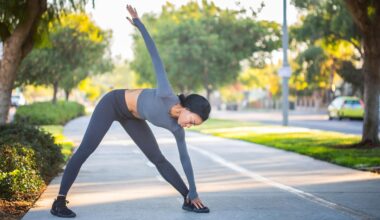

Post-Workout Stretching Strategies for Faster Recovery
After an intense weightlifting session, incorporating effective post-workout stretching routines is essential for enhancing recovery. This process not only aids muscle repair but also helps prevent soreness and stiffness. Prioritize a combination of static and dynamic stretches targeting various muscle groups utilized during workouts. Good practices can include deep breathing and focusing on one muscle group at a time, ensuring each stretch is performed for a minimum of 20 to 30 seconds. Stretching allows your muscles to relax, thus enhancing overall flexibility. Techniques like foam rolling can also help in loosening tight fascia and connective tissues, which is key for athletes engaging in heavy lifting. Remember to warm up properly prior to your workouts to maximize the effectiveness of your stretches. Flexibility training should be an integral part of your routine. Include exercises specific to the needs of weightlifting, such as hamstring and quadricep stretches. By consistently integrating these strategies, you will not only enhance your performance over time but also significantly reduce the risk of injury due to tightness and imbalances in your muscles. Make recovery an essential aspect of your training journey.
Different approaches exist when focusing on post-workout stretching. To achieve faster recovery, it’s important to focus on muscle groups that are most frequently engaged during your lifts. **Key areas like the legs, back, and shoulders should be prioritized.** The importance of hydration also cannot be understated; drinking sufficient water aids in flushing out toxins and reducing muscle cramping. Incorporate gentle yoga into your regime as this promotes relaxation and improves both flexibility and range of motion. Additionally, consider using guided stretching videos or apps designed specifically for athletes. This ensures proper technique and can enhance effectiveness. After routine workouts, try incorporating resistance bands into your stretching program; they provide additional support and can target specific areas effectively. Remember to breathe deeply and thoughtfully during each stretch to enhance the process of relaxation. Engaging in a post-workout cool-down phase will also help gradually lower your heart rate, preparing you for recovery. Recovery days should include active recovery—light activities like walking, swimming, or cycling to promote blood circulation, supporting the repair process of your muscles significantly.
Dynamic vs. Static Stretching
Understanding the differences between dynamic and static stretching is vital in maximizing your recovery. Dynamic stretching involves movements that improve flexibility while preparing your muscles for the workout itself. Conversely, static stretching is performed after workouts to assist in lengthening muscles during the recovery stage. Always engage in dynamic stretching prior to lifting sessions, to enhance your performance and range of motion. **A good approach includes leg swings and arm circles, which activate all necessary muscle groups.** Following your lifting workout, static stretches such as the seated hamstring stretch and the standing quadriceps stretch help alleviate tightness. Remember to use a slow, controlled pace when performing static stretches. This avoids further strain on your muscles and supports healing. Mix your post-workout routine with foam rolling for targeted areas that feel tight. This practice will significantly contribute to the overall effectiveness of your recovery routine along with improving flexibility. To ensure progress in your flexibility journey, track your stretching sessions and progress over time, encouraging a stronger commitment to your recovery routine.
Incorporating mindfulness into your stretching routine can greatly enhance recovery. Engaging in focused breathing techniques allows you to connect with your body and appreciate each movement. Think about how your muscles feel during each stretch; are there areas that feel particularly stressed or tight? As you stretch, visualize the tension being released from your muscles, providing an opportunity for both physical and mental relaxation. Consider integrating meditation or visualization exercises to further enhance recovery. Tools such as yoga mats can enhance comfort, ensuring you remain focused during your stretching sessions. Stretching should be harmonious, combining both breath and movement, offering a deeper connection to your recovery journey. Regularly adjusting your routine aligns with your evolving flexibility needs, as personal assessments are critical for long-term success. These mindful practices not only aid in physical recovery but also your overall mental well-being, creating a more holistic approach to fitness. Being consistent through disciplined practice leads to improvements in both strength and flexibility over time. Establish a commitment to maintaining your post-workout routine, integrating it naturally into your fitness lifestyle for the best results.
Timing Your Stretching Session
The timing of your post-workout stretching is crucial for maximizing effectiveness in recovery. Engaging in stretches immediately after your weightlifting session is optimal; this ensures your muscles are still warm and malleable. Holding stretches for at least 20 to 30 seconds helps improve flexibility while also deeply promoting relaxation. However, don’t rush through your routine; give each stretch ample attention to ensure they’re effective. Pairing recovery nutrition with stretching can further enhance the effectiveness of your overall recovery strategy. Consuming a mix of proteins and carbohydrates post-workout aids in muscle repair and replenishing glycogen stores, enhancing energy and reducing soreness. By incorporating high-quality protein sources like chicken, yogurt, or plant-based options, alongside complex carbs, you can create a balanced post-workout meal. Monitor your progress regularly and adjust your stretching routine according to your personal needs and feedback from your body. This provides insights into things that work and those that do not. Make flexibility and mobility a priority through intentional stretching routines consistently; the benefits will reflect positively in your subsequent lifting performances.
The role of consistency cannot be underestimated in strengthening your post-workout stretching program. Regular stretching promotes long-lasting flexibility improvements and aids in preventing injuries. **Make a schedule that incorporates stretching within a routine frequency of at least three times a week.** This helps in maintaining flexibility gains leading to performance enhancements. Feel free to explore new stretching techniques to keep your routine refreshing and engaging. Incorporating different modalities offers new challenges while ensuring you never plateau in flexibility. Hold yourself accountable through tracking your sessions on a chart, or utilizing fitness applications. This not only helps with consistency but motivates you to stay dedicated to your recovery practices. Additionally, consider sharing your experiences on social media or fitness communities; you will inspire others while reinforcing your own training goals. Continuous adjustments to your routine will be essential, as observing any changes in areas of tightness or weakness. Implementing various stretching styles like PNF stretching might also benefit over time, offering an interactive element to your training. Remember, flexibility and mobility take time to develop, so be patient and persistent.
Ultimately, the combination of mindful practices with physical recovery is crucial post-weightlifting. Integrating proper hydration, nutrition, main stretching techniques, and a commitment to regular recovery practices creates a solid foundation for future success. The journey toward improved flexibility requires time and patience, so honor your body’s signals and provide it space to heal. Build a versatile routine encompassing both strength training and flexibility enhancement for balanced development. Encourage active recovery days since they complement intense workouts effectively, lessening fatigue and improving overall performance. Monitor your progress through consistent assessments to ensure you’re on track; celebrate milestones along your journey. Acknowledge that every lifter’s recovery routine may differ; explorations may lead to a personalized method that best suits individual needs. Remember to listen to your body and adjust as necessary. Be proactive in integrating variety into your routines, empowering both your physical strength and flexibility development. Keep learning more about how flexibility can positively impact your weightlifting. Create a long-lasting foundation through disciplined practice, significantly enhancing your athletic performance while promoting a high quality of life.