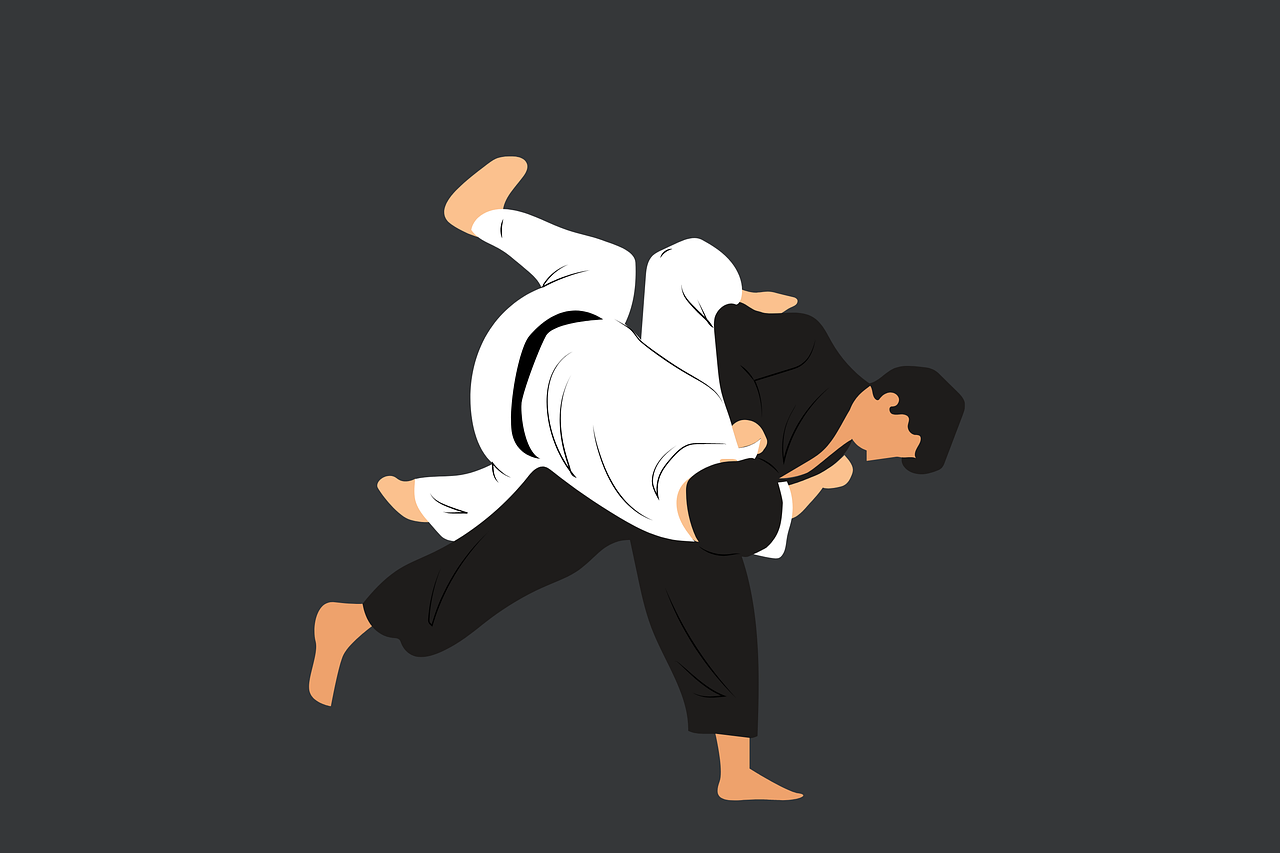

Building Athlete Confidence Through Positive Coaching in Judo
In today’s competitive sports environment, building athlete confidence is vital, especially in a discipline like judo. Positive coaching plays a critical role in achieving this goal. Coaches must create an atmosphere where athletes feel safe, understood, and appreciated. By offering constructive feedback and celebrating small wins, coaches can enhance self-esteem in their fighters. This approach fosters resilience and a growth mindset. When athletes feel supported, they are more inclined to take risks and push their limits. Coaches can utilize techniques such as goal setting and visualization to instill confidence. Specific, measurable, attainable, relevant, and time-bound (SMART) goals can drive athletes to strive for personal excellence. Visualization techniques impart a mental framework for success. Athletes can envision themselves performing techniques successfully. Additionally, the coach’s emotional intelligence is crucial. Understanding how to motivate individuals while addressing their unique needs can strengthen the coach-athlete relationship. Ultimately, when judo practitioners feel confident, they not only perform better but also have a more enjoyable sporting experience. Such an approach transforms not just the athlete’s performance but also their love for judo, leading to lifelong engagement in the martial art.
Moreover, a positive coaching philosophy nurtures confidence through communication. Establishing strong lines of communication between athletes and coaches is essential for fostering growth. Active listening is a skill every coach must develop to understand and respond to athletes’ needs. Practicing open dialogue enables athletes to voice concerns, share aspirations, and seek clarification about techniques. A coach who employs positive reinforcement rather than criticism cultivates an environment where mistakes become learning opportunities. For instance, instead of reprimanding an athlete for a missed throw, the coach can discuss what went wrong and how to improve. This way, athletes feel valued and encouraged, paving the way for confidence development. In judo, understanding and leveraging each athlete’s unique skill set is crucial. Utilizing individualized training plans helps coaches tailor techniques to fit an athlete’s strengths and weaknesses. This customization promotes a sense of autonomy in athletes, further boosting their self-assurance. Furthermore, patience is key; confidence does not build overnight. Consistent positive interactions and follow-ups can yield long-term benefits. Coaches should emphasize effort and perseverance in their messages, reinforcing the value of hard work and dedication in the journey to mastery.
Emphasizing Team Support
In judo, while individual performance is highlighted, the importance of team support should never be underestimated. Encouraging camaraderie among teammates enhances confidence for all involved. Coaches can foster a supportive team environment by organizing team-building activities that promote friendship and trust. When athletes feel connected to their peers, their overall morale improves, influencing their performance positively. Recognizing and rewarding team accomplishments can instill collective confidence. For example, celebrating victories together reinforces shared goals and creates a positive atmosphere where everyone feels they belong. Additionally, athletes who regularly train together develop an understanding of each other’s strengths and weaknesses. This familiarity promotes an environment of support during matches, where teammates cheer each other on. By creating training sessions that emphasize pair drills and cooperative sparring, coaches can strengthen bonds and encourage athletes to rely on one another for encouragement. Ultimately, when each athlete feels valued within the team, they are more likely to channel collective energy into personal performance, resulting in enhanced skill execution. The dynamic of team support not only boosts individual confidence but also elevates the overall spirit of judo clubs, making practices and competitions more enjoyable for everyone.
Incorporating mental conditioning in the judo coaching curriculum significantly contributes to athlete confidence as well. Techniques like meditation and mindfulness help athletes maintain focus during training and competition. Coaches can introduce mental skills workshops to teach athletes how to prepare psychologically and cope with the pressures of competitive judo. By equipping athletes with strategies to manage anxiety, coaches create a more confident competitor. Furthermore, emphasizing the importance of resilience prepares athletes for both victories and setbacks. Understanding that failure is a part of the journey allows athletes to bounce back faster and learn from their experiences. Coaches can regularly remind athletes that perceived setbacks do not define their value or abilities. Encouraging the practice of self-affirmations can boost athletes’ internal belief systems. Training sessions can include feedback loops where athletes express what they believe they did well. These discussions reinforce positive self-talk and foster an encouraging atmosphere. As athletes learn to cultivate their confidence internally, their performance gradually improves. The blend of mental conditioning with physical training leads to well-rounded, confident athletes ready to excel in judo and face challenges head-on.
Recognizing Individual Achievements
Another effective way to build athlete confidence in judo is through recognizing individual achievements. Personal recognition can be a significant motivational factor, helping athletes see the value in their efforts. Coaches should make it a point to celebrate both minor and major milestones. Acknowledgment of progress, whether it is mastering a new technique or displaying sportsmanship during competitions, fosters self-esteem. Coaches can create an awards system highlighting individuals who exemplify commitment and improvement. This recognition can be in the form of certificates, medals, or even shout-outs during practice sessions. Providing a platform for athletes to share their stories and experiences can also contribute to confidence-building. When fellow teammates hear about each other’s journeys, it creates an atmosphere of inspiration and aspiration. Additionally, maintaining detailed performance records can help track progress and identify improvement areas. Coaches can share these insights with athletes to encourage self-reflection and growth. The journey is often as valuable as the destination; instilling a sense of pride in individual achievements allows athletes to recognize their potentials. Regular reflection sessions ensure that recognition remains a constant motivator, embedding confidence deeply within their sporting journey.
Encouraging open-mindedness about competition plays a crucial role in bolstering judo athlete confidence. Coaches should focus on preparing athletes for competition with a positive mindset rather than solely emphasizing winning. By reframing the approach to competitions as opportunities for growth, athletes learn to appreciate the experience beyond the outcome. For instance, coaches can conduct pre-competition discussions that set realistic expectations and prepare athletes for various scenarios that may arise. It’s essential to teach athletes how to process and learn from experiences, regardless of competition results. This perspective not only eases pressure but also helps athletes focus on their technical executions during matches. Coaches should encourage athletes to reflect on their match performances honestly, recognizing what went well and where improvements can be made. Highlighting personal growth and skill development during competition fosters a sense of pride that differs from mere accolades. Furthermore, coaches should remind athletes that each competition is a stepping stone toward mastery. Ultimately, redefining competition as a valuable learning process builds confidence in athletes, equipping them with resilience to face any challenges they encounter within and beyond the judo mat.
Fostering a Growth Mindset
To ensure long-lasting athlete confidence, fostering a growth mindset within judo practices is crucial. Coaches must instill the belief that abilities can be developed through dedication and hard work. Celebrating the learning journey over innate talent encourages athletes to embrace challenges and persist through difficulties. Coaches can facilitate an environment where mistakes are viewed as essential steps in learning. Emphasizing that every setback can lead to future success transforms the athletes’ attitude toward failures. Incorporating problem-solving techniques during training can also enhance this mindset. By offering scenarios that require athletes to think critically about their performance, coaches nurture an adaptive problem-solving approach to challenges faced in judo. This teaching strategy encourages individuals to take calculated risks, essential for growth and improvement. Additionally, peer discussions can aid this mindset development, as athletes share their experiences and solutions together. Coaches should provide consistent positive reinforcement, particularly when athletes step outside their comfort zones. Ultimately, a growth mindset fosters resilience, allowing athletes to thrive in judo, enabling them to believe that confidence is a journey, not just a destination, as they engage with the sport.
Finally, ongoing learning and development of coaches themselves remains essential for ensuring they effectively build athlete confidence. A well-informed coach stays updated with the latest coaching techniques, sports psychology, and athlete development strategies. Continuous professional development provides coaches with tools to better understand how to address the differing needs of athletes. Engaging in workshops and sharing best practices among colleagues enrich coach knowledge and effectiveness. Moreover, seeking feedback from athletes can guide adjustments to coaching styles. This interaction shows athletes that their input is valuable, creating a feedback loop fostering trust and confidence. Emphasizing the importance of adaptability is essential in today’s rapidly changing sports environment. Coaches must be willing to learn from their experiences and adapt their strategies according to individuals’ growth and needs. Creating an inclusive environment where all voices are heard ensures a nurturing training atmosphere. In conclusion, the combination of positive coaching strategies, a supportive environment, recognition of achievements, and continuous learning for coaches contributes to building lasting athlete confidence in judo. Ultimately, confident athletes are better equipped to meet their competitive aspirations and develop a lifelong passion for the sport.