
Incorporating Isometric Holds for Muscle Hypertrophy
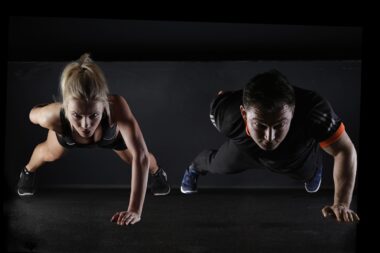
Utilizing isometric holds can effectively enhance muscle hypertrophy through targeted strength development. These static exercises focus on maintaining a position under tension, which promotes muscle endurance and growth. When performed correctly, isometric holds engage multiple muscle fibers, leading to increased gains. This method differs from traditional weight lifting, as it emphasizes time under tension rather than the movement of weights. For optimal results, consider varying the duration of holds during your workout sessions. Start with 20 to 30 seconds and gradually extend this time as strength improves. Combine these holds with dynamic movements to maximize effectiveness. For instance, integrate push-ups followed by a five-second hold at the bottom position. You can also apply this strategy to squats, planks, and other exercises. Additionally, explore loading ranges for isometric exercises to further stimulate your muscles. Each workout should prioritize form and controlled breathing to prevent injury. Keep challenging yourself by increasing the duration, resistance, or intensity of each session. If you’re consistent with an effective routine, expect significant strength and muscle development. Isometric holds are simple yet powerful tools in any bodybuilding arsenal.
To maintain muscle stimulation, pairing isometric holds with traditional training methods is essential. Traditional weightlifting allows muscles to exert force through a full range of motion, facilitating dynamic strength. However, isometric exercises can enhance this by providing stabilization and strength in specific positions. For instance, consider the bench press: adding a two-second hold just before lockout can help strengthen those final inches of the movement. This approach encourages more significant muscle engagement than lifting weights alone. It leads to improved muscle adaptations owing to varied stress on fibers. Furthermore, maintaining controlled poses directly boosts muscle endurance. A well-structured program should incorporate these holds at critical points in your movements. Exercises such as deadlifts and overhead presses can also benefit from this setup. For best results, aim for 3-5 sets of isometric holds in a single workout. Be mindful of the muscle groups you’re targeting, ensuring balanced training across different areas. Pay attention to fatigue levels as you increase intensity or duration. Listen to your body to avoid overtraining, offering muscle recovery after high-intensity sessions. With discipline and strategy, isometric holds can transform muscle gain trajectories efficiently.
Incorporating isometric holds also enhances core stability, crucial for overall strength and performance in athletic pursuits. A robust core is fundamental for effective force transfer during various movements, including running, jumping, and lifting. When your core is engaged through static holds, it supports posture and decreases injury risk. Exercises such as the plank or wall sit are perfect examples of isometric holds that target essential core muscles. Implementing these holds will improve your balance and coordination. As muscles learn to stabilize in these challenging positions, they become stronger in dynamic movements. To further this benefit, gradually increase the time holding these positions or add resistance, such as a weighted vest. This adds intensity, contributing significantly to muscle growth. Additionally, consider performing holds at different angles to stimulate various muscle fibers fully. For instance, combining side planks with traditional planks transforms training efficiency. This focus on stability can boost performance metrics across numerous activities, from sports to daily tasks. Identifying precise movements that challenge core engagement will enhance strength levels in your cross-training regimen. Over time, implementing these isometric strategies will show substantial improvements in overall athletic ability. The benefits extend well beyond muscle hypertrophy.
Benefits Beyond Muscle Gain
Isometric holds not only contribute to muscle hypertrophy but offer significant benefits in joint stability and injury prevention. By maintaining muscles under tension without changing their length, these exercises can strengthen surrounding ligaments and tendons. This leads to better joint health and functionality, especially in high-stress areas like the knees and shoulders. With isometric holds, you’re able to strengthen stabilizers that support joints, decreasing the likelihood of injuries during dynamic movements. Increased joint stability allows for more excellent range of motion during performance. Incorporating holds in a routine, particularly for those recovering from injuries, is fundamental. It aids in rehabilitation by reintroducing strength safely without extensive movement. Athletes can also benefit from the precision that isometric holds bring to their training regimens. These controlled muscles not only prepare the body for complex motions but also increase overall power. The slower nature of isometric holds can enhance mental focus, leading to a better understanding of body mechanics. Consistently adding these holds into workouts has tremendous potential for improving both short-term gains and long-term performance. This blending of strength and stability creates a fertile ground for athletes looking to optimize their training results.
Additionally, consider the versatility of isometric holds in crafting varied workout sessions. You can perform these exercises almost anywhere, making them accessible for home workouts, outdoor training, or gym sessions. No equipment is required, just your body and a little creativity. This convenience means that fitting these powerful techniques into your regimen is easier than ever. You might include movements such as isometric push-ups, walls sits, and dynamic lunges. To keep your workouts interesting, modify the holds by performing them with increasing resistance or varying grip mechanics. This will engage the muscles differently and prevent plateauing. Establish a structured routine that includes specific holds to maximize their effectiveness. Aim for a balance between isometric holds and traditional exercises to develop strength comprehensively. It enhances overall performance while also catering to diverse fitness levels. Furthermore, ensure you incorporate adequate recovery between sessions. This helps prevent muscle overuse and ensures optimal adaptation. Assess your progress meticulously to identify gains, adjusting the routine as needed. The adaptability of isometric holds contributes significantly to your fitness regimen without necessitating frequent gym visits.
Conclusion
Finally, incorporating isometric holds into your fitness routine can yield remarkable results, particularly in muscle hypertrophy, core stability, and injury prevention. These static exercises allow for maximal muscle engagement, which leads to physical adaptations that enhance overall strength and endurance. As part of a comprehensive workout strategy, they provide a unique way to stimulate muscle growth while maintaining joint health. Observing proper form and slowly integrating these holds into your routine ensures safety and effectiveness. Progressively increasing hold times or employing additional resistance keeps the muscles challenged. This versatility enables you to tailor workouts based on preferences, making isometric holds easy to incorporate consistently. The adaptability and convenience of these exercises ensure they occupy a significant place in strength training programs. Commit to consistent practice and monitor personal progress over time for the best results. Embracing this innovative approach to muscle training fosters sustainable growth and improves athletic performance. Ultimately, regularly applying isometric holds can help you unlock your fitness potential. Emphasizing a balanced routine that includes isometric holds will support muscle gain and athletic efficiency for your training journey.
By adopting this approach, you set yourself up for long-term success. Ensure that your training principles are rooted in sound strategies and methodologies. Adapting your workouts with isometric techniques engages muscle fibers like little else, promoting growth, resilience, and strength. As you delve deeper into bodyweight exercises, let isometric holds revolutionize your training experience. The cumulative benefits will manifest in a fortified physique that excels under various conditions. Targeting specific muscle groups with precision works wonders, allowing you to maximize training results. Establishing a stable foundation through isometric holds contributes to resilience in dynamic sports settings, making for a more well-rounded athlete. With ongoing dedication to these practices, your muscle development journey will naturally transform into a successful endeavor rich with gains. Tapping into both traditional and innovative modalities lends itself well to comprehensive fitness strategies. Notably, building strength in static positions prepares your body for more demanding tasks and movements. This approach empowers you to maximize functional performance while enhancing your overall physique. Ultimately, integrating isometric holds into regular training routines adds diversity while supporting hypertrophy and athletic improvement.
Overall, isometric holds serve as an exceptional tool in the quest for muscular development. Safely training your muscles while keeping them engaged builds strength and stability essential for progression. Isometric exercises can adapt to individual goals, catering to increasing muscle hypertrophy and enhancing athleticism. Diverse workouts that include these holds keep training fresh and exciting while ensuring consistent engagement throughout. As you navigate your fitness journey, remember that strides in muscle gain often stem from embracing a variety of methodologies. This innovative approach offers fundamentally sound principles that remain effective over time, allowing athletes to reach new heights. Keep challenging your body by incorporating isometric strategies for well-rounded development. With dedication and creativity, the possibilities are virtually limitless. Isometric exercises require focus and control, which can lead to more profound mind-body connections during workouts. Ultimately, integrating these holds into your fitness regime prepares you for versatile performance across disciplines. Achieving exceptional results demands time, consistency, and a robust approach. With isometric holds as key players in your training approach, you’ll be poised to achieve notable successes on your bodybuilding and fitness journey.