
Improving Mental Health in Seniors through Functional Training
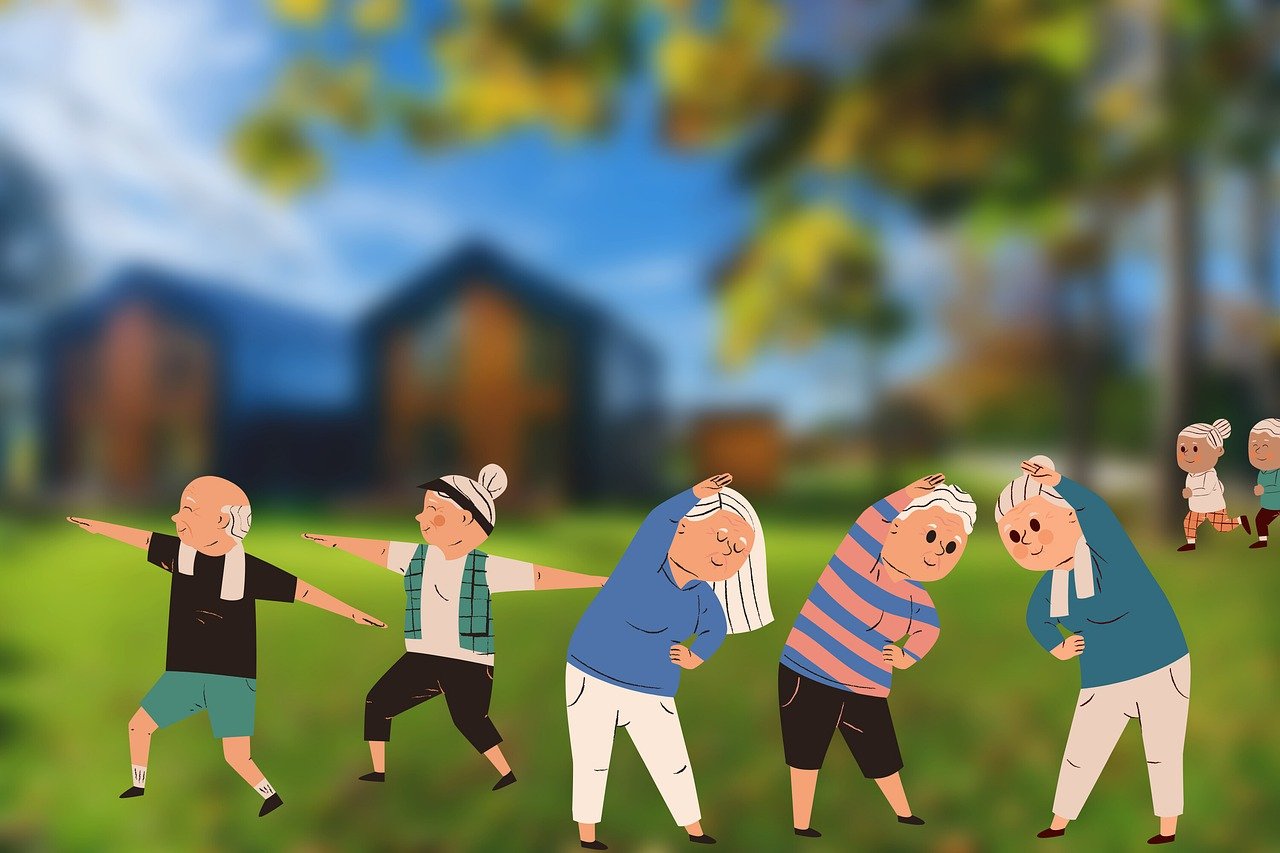
Functional training is an effective way to enhance seniors’ mental health while boosting their physical well-being. This training focuses on exercises that mimic everyday activities, which can increase confidence and independence in seniors. Improved physical abilities can lead to a more active lifestyle, creating opportunities for socializing, which is critical for mental health. Engaging in regular physical activity fosters a sense of accomplishment, which boosts self-esteem. Moreover, functional training can help reduce the risks of depression and anxiety by keeping the mind engaged. Many seniors may struggle with motivation due to physical limitations, so it’s essential to adapt functional training programs to their abilities. These personalized approaches help ensure that all participants, regardless of fitness levels, can engage meaningfully. Incorporating exercises that enhance core strength, flexibility, and balance can significantly benefit seniors. Furthermore, functional training offers a chance to include group dynamics, promoting camaraderie. Regular interaction with peers can alleviate feelings of loneliness, which is vital for mental health. Ultimately, functional training serves as a holistic approach toward improving both physical and mental well-being among seniors.
Seniors can particularly benefit from functional training since this method emphasizes real-life applications. Functional training comprises strength, balance, coordination, and endurance exercises that align directly with daily activities. For instance, sitting and standing movements improve mobility for seniors, enabling them to perform daily tasks like getting in and out of a chair with greater ease. Enhanced mobility also supports seniors in maintaining their independence for lengthier periods. Additionally, cognitive function is often improved through the engagement involved in performing these exercises. As seniors practice movements that require multitasking, their brains become healthier and more agile. Instructors can introduce memory challenges during training sessions, further stimulating cognitive skills. Engaging with familiar routines reinforces muscle memory. When seniors experience improvements in their physical abilities, they tend to maintain a more positive outlook on life. This improved outlook can combat feelings of isolation and despair often experienced in later years. Various fitness programs prioritize functional training that aligns with senior wellness needs. Centers specializing in senior care increasingly recognize the importance of these programs to provide comprehensive wellness solutions.
The Role of Social Interaction
Functional training offers valuable opportunities for seniors to engage socially, which is crucial for mental health. Seniors often experience social isolation, magnifying feelings of loneliness and depression. Group functional training classes foster connections between participants, providing social support that positively impacts mental health. As they engage in collective activities, seniors can share experiences and encouragement, leading to friendship formation. Arranging fun challenges can motivate them while offering a chance to bond over shared objectives. Socializing in a supportive environment encourages active participation, which enhances their commitment to exercise. Instructors play a significant role in nurturing this sense of community among participants. By creating an inviting atmosphere, they can help alleviate anxiety levels and foster friendships. Moreover, as seniors progress through training together, they celebrate each other’s successes, generating a positive group dynamic. This kind of collective reinforcement boosts morale. Furthermore, shared experiences in functional training create lasting memories. Overall, the incorporation of social interaction with functional training promotes stronger mental health foundations. Strengthened connections among seniors facilitate resilience, which is essential for coping with challenges they may encounter during their golden years.
Cognitive training can effectively accompany functional training to amplify mental health benefits. Engaging seniors in activities that stimulate their brains can enhance focus and memory, critical factors as they age. Functional training classes can integrate exercises that also challenge cognitive abilities. For instance, trainers can include verbal prompts or decision-making elements to improve mental acuity while strengthening physical skills. Incorporating tools, such as colored cones or resistance bands, offers versatile challenges. These types of exercises promote motor skills and engage mental faculties simultaneously. Another beneficial aspect of cognitive training is tailoring sessions according to differing cognitive levels. Some seniors may excel at specific tasks, while others might need more time or alternate approaches. Personalizing training while considering cognitive challenges ensures a more inclusive experience. Progress tracking can also enhance motivation and provide insights into improvements. Seeing tangible results in both physical and mental capabilities serves to encourage seniors to actively participate. Research indicates that physical activities promote overall brain health, further enhancing memory and concentration abilities. By integrating cognitive training into functional workouts, seniors can reap holistic benefits that address both body and mind health.
Physical Adaptations in Seniors
Physical adaptations to functional training can significantly improve the mental health of seniors. As they engage in tailored exercises targeting core strength and stability, they often experience enhanced physical confidence. Capabilities such as improved balance and coordination can alleviate fears of falling or injury. This newfound confidence leads seniors to engage comfortably in social activities, reducing feelings of isolation. In fact, a significant element of functional training involves assessing and addressing any limitations to create a more adaptive routine. Personalized fitness plans enable seniors to focus on resistance training, flexibility, and cardiovascular health at their own pace. Regular participation leads to gradual achievements, reinforcing positive self-image and overall mental resilience. Healthy lifestyle modifications stemming from functional training further result in improved nutritional choices, reinforcing energy levels. Enhanced energy boosts motivation, contributing positively to mental outlook. Importantly, the reduced incidence of ailments associated with aging, such as arthritis, strengthens mental wellness by alleviating anxiety over health. As seniors become more adept at performing functional tasks, their stress levels decrease. Encouraging independent living forms a critical aspect of this transformative journey that further uplifts mental well-being.
Functional training for seniors should be conducted under professional supervision to ensure safety and effectiveness. Specialized trainers understand the unique physiological and psychological needs of older adults. They can adjust exercises to alleviate potential injuries and build comfort within each participant. Additionally, trainers can provide inspiration and encouragement that boosts seniors’ motivation as they tackle various activities. Regular trainers offer valuable insights into progress tracking, providing feedback to instill confidence in their abilities. This supportive environment encourages seniors to meet their fitness goals while fostering mental health improvements. Another critical aspect of functional training involves continued education on health topics relevant to seniors. Instructors can educate attendees on nutritional guidelines, hydration, and recovery protocols, providing a holistic approach to wellness. Furthermore, this education offers seniors increased tools to manage their health effectively. Additionally, participants may attend workshops on stress management, mindfulness practices, and mental resilience. Implementing these concepts alongside functional training promotes healthy lifestyle choices that extend beyond the gym. Seniors often take charge of their overall well-being with newfound knowledge, leading to an enriching quality of life and improving mental health further.
Conclusion: The Benefits of Functional Training
Investing in functional training presents an array of benefits for seniors that enhance mental health and foster physical wellness. Understanding the critical role of this training can inspire families and caregivers to encourage participation. By utilizing personalized approaches that include cognitive challenges, social interactions, and safety protocols, seniors are empowered to thrive. The overarching benefits of functional training extend far beyond mere physical improvements. They encompass emotional and social aspects that significantly affect mental health. This can provide a strong incentive for seniors to maintain active lifestyles. Communities and family support system should prioritize functional training programs to address these essential wellness needs. As seniors engage in regular training, their self-esteem rises, reducing the risk of depressive symptoms. The social and cognitive engagements offer layered support systems that address complex needs. In conclusion, functional training is vital in improving the mental health among seniors, providing an inclusive path towards better physical activity, emotional richness, and lifelong independence. It’s time to embrace functional training as a valuable strategy for enhancing seniors’ overall well-being, fostering resilience, and ensuring quality of life.
Ultimately, functional training is a transformative approach to senior wellness. The interplay between physical activity and mental health is powerful. As seniors experience improvements in strength, balance, and social engagement, they gain renewed enthusiasm for life. This enthusiasm translates into better emotional resilience, allowing them to navigate life’s challenges more effectively. Furthermore, engaging in purposeful movement through functional training can invigorate seniors’ spirits. The supportive camaraderie developed in group classes cultivates fantastic friendships, enhancing emotional well-being. Additionally, wellness outcomes manifest through tangible changes in body composition, energy levels, and functional abilities. These transformations lead to increased confidence in managing day-to-day tasks. Seniors who participate in functional training also exhibit improved cognitive function, which plays a pivotal role in maintaining independence. A well-rounded approach to fitness can create an empowering environment that encourages ongoing participation. Therefore, offering inclusive programming is paramount for community organizations and fitness centers targeting seniors. Through functional training, healthcare providers can address mental health challenges effectively while offering enjoyable movements. Investing in a stronger support mechanism through fitness can create lasting positive change. Consequently, functional training emerges as a significant contributor to the mental health and quality of life for seniors.