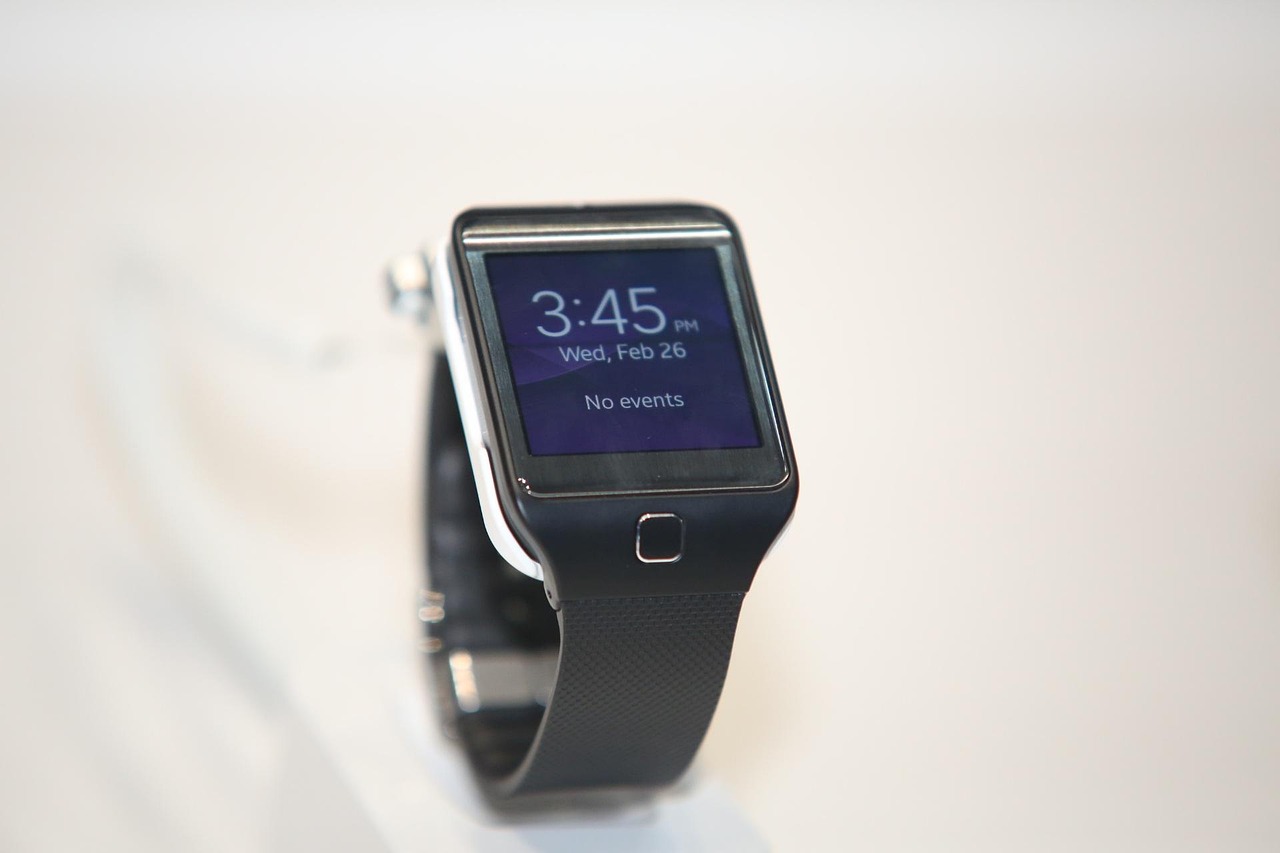

Best Practices for Charging and Maintaining Wearable Fitness Devices
Wearable fitness devices have revolutionized the way we monitor our health and fitness levels. However, to get the most out of these devices, proper charging and maintenance practices are essential. A key factor in prolonging the battery life is to avoid fully depleting the battery before recharging. Instead, aim to recharge your device when it reaches about 20% battery life. Additionally, utilizing the charger that comes with your device can ensure optimal battery performance. Many manufacturers design their chargers to work best with their products, which means third-party chargers might expose your device to risk.
Keeping your wearable clean is just as critical as proper charging. Sweat, dirt, and oils from your skin can build up and affect both performance and comfort. Regularly clean your device with a soft cloth and a mild cleaner to keep it free from grime. Furthermore, be cautious with moisture exposure, as it can impact the device’s longevity. Avoid wearing your device while engaging in extreme activities that may expose it to harsh conditions. If your device is water-resistant, ensure you follow specific guidelines on exposure thresholds, which can differ between models.
Optimal Charging Conditions
Charging your device under the right conditions can significantly affect battery life. Avoid exposing your device to extreme temperatures, whether hot or cold. Heat can degrade battery health, leading to a shorter lifespan. Aim to charge your wearable in a cool, dry place. When not in use, consider switching your device to airplane mode to reduce battery consumption. Disabling unused features like GPS and Bluetooth when they are not needed extends battery life further. Ensure that the charging ports are clean and free from debris, as dirt can hinder efficient charging.
Periodic firmware updates are essential for maintaining wearables. These updates often bring enhancements that improve battery life and overall performance. Many devices now allow automatic updates via their companion apps. Make sure you have the latest version installed to ensure optimal functionality. Users often overlook this step, but it can make a significant difference in your device’s efficiency. To assist in managing battery life, explore the app settings that allow you to customize notifications and features, which can help reduce frequent charging needs.
Battery Preservation Tips
Another best practice for maintaining your wearable involves managing background apps that consume battery life. Some wearables will have several apps running simultaneously, causing the battery to drain rapidly. Consider disabling the notifications or syncing apparatus of apps that are not crucial. Additionally, dimming the screen brightness on your wearable can significantly lower battery consumption; thus, giving you more usage across its lifetime. Some models even have power-saving modes that can be activated during less activity or during sleep.
Most wearables come with a specific set of manufacturer recommendations regarding charging intervals. Follow these to avoid battery damage. For instance, certain models suggest not charging overnight or keeping your device connected once fully charged. Adhering to these guidelines will extend battery life significantly. Furthermore, if you are not planning to use your wearable for an extended period, consider storing it with a charge of around 50% to maintain battery health. Avoid leaving the device in very hot or cold environments as storage conditions can affect performance too.
Understanding Battery Wear
As with all rechargeable batteries, wearables are susceptible to degradation over time. Each charge cycle contributes to this wear, reducing overall capacity and effectiveness. Understanding how lithium-ion batteries behave is vital; they perform best when charged between 20% and 80%. Acknowledging this can help you get the most lifespan out of your wearables. Explore options for battery replacements if your device allows; knowing when to make an investment in battery replacement can be beneficial for long-term usage. Manufacturers often provide guidelines for how to identify when your battery health dramatically declines.
In conclusion, proper maintenance and charging of wearable fitness devices can significantly enhance your experience and lengthen functional battery life. By following the practices outlined, you can ensure that your wearable remains an effective tool for monitoring fitness long into the future. Incorporating simple habits such as regular cleaning, careful charging practices, and initiative in keeping firmware updated will serve you well. Understanding the intricacies of battery health will help you avoid premature technology failures and enjoy the benefits your wearable can provide for many years to come.