
Understanding the Role of a Catcher
The catcher is a vital position in baseball, often referred to as the leader on the field. They are responsible for calling pitches, managing the game, and ensuring effective communication between the pitcher and the rest of the team. This position requires a unique combination of skills such as quick reflexes, strong communication, and high baseball IQ. A catcher must anticipate the batter’s moves and adjust strategies accordingly, which heavily influences the game’s outcome. Being a successful catcher involves balancing physical skill with mental acuity. Catchers also need to have strong arms for throwing and good blocking techniques to minimize passed balls and wild pitches. Furthermore, they must understand the opposing hitters’ tendencies to guide the pitcher in terms of pitch selection. This positional role serves not only as a barrier against opposing runners trying to steal bases but also as a strategist who orchestrates plays. The demands on a catcher extend beyond the physical; they must maintain their composure under pressure and direct their teammates effectively. Ultimately, the success of a baseball team often hinges on the performance and capabilities of its catcher.
Essential Skills for Catchers
To excel in the catching position, a player must develop several core skills that define an effective catcher. These include agility, which is crucial for quick lateral movements to block pitches, and flexibility to absorb impacts while receiving throws. Other key skills include a powerful throwing arm to catch stealing runners effectively, combined with precise footwork to allow fluid movement behind the plate. Understanding pitch mechanics is essential; a catcher must know how to catch different types of pitches, such as fastballs, curveballs, and sliders, ensuring smooth transitions for the pitcher. Mental preparation is equally important, as catchers must read the game in progress, anticipate play developments, and adjust their strategies quickly. Communication skills are critical, enabling catchers to relay instructions and provide feedback to their pitchers and teammates seamlessly. With the rise of analytics in baseball, catching also involves understanding data and metrics to improve performance. Catchers often benefit from studying video footage to refine their techniques and enhance pitch recognition. Physical training, including strength and conditioning, is imperative for maintaining peak performance throughout the season.
Catchers must also prioritize their mental approach to the game. This involves being acutely aware of various game situations, assessing opponents, and adjusting their techniques. A key aspect is staying engaged throughout the game, regardless of the workload or the pitcher’s performance. Recognizing when emotional support is needed for pitchers in distress is essential for a catcher’s leadership role. A catcher’s ability to communicate effectively and read body language can provide the confidence that a struggling pitcher needs, maintaining composure and focus. Catching is not considered a glamorous position, often characterized by demanding physical and mental tasks. However, successful catchers understand the importance of their unique responsibilities and approach their games with motivation. The psychological aspect includes controlling their emotions during tense moments, making decisions quickly, and maintaining a positive attitude, which is contagious and can uplift the entire team. The best catchers develop a strong rapport with their pitchers and the coaching staff, signifying trust and mutual respect. A catcher thriving in this role can foster team morale and lead their teammates effectively through challenging game scenarios.
Moreover, the responsibilities of a catcher extend beyond the actual game. They play a vital role in practices, where teaching and mentorship become essential. Catchers often work with coaches to develop practice plans tailored for pitchers and fielders, enhancing team cohesion. During practice sessions, catchers should focus on situational drills that improve pitch framing and blocking skills. Regular practice helps a catcher hone their technique, making them more reliable during the game. Emphasizing drills that accommodate varying styles of pitching can significantly aid catchers in developing adaptability and resilience. As evolving strategies influence the game, catchers need to embrace advancements like the use of technology to assess performances, prompting regular evaluations and adjustments. By collaborating with coaches and fellow players, catchers can offer insights into necessary improvements based on in-game observations. Additionally, studying former great catchers and analyzing their techniques can help aspiring catchers build confidence. Consistency during practice translates directly to performance in games, showcasing preparation as a vital element in the catcher’s journey. A commitment to continuous improvement distinguishes a solid catcher from an average one.
Catching Equipment: Essentials for Performance
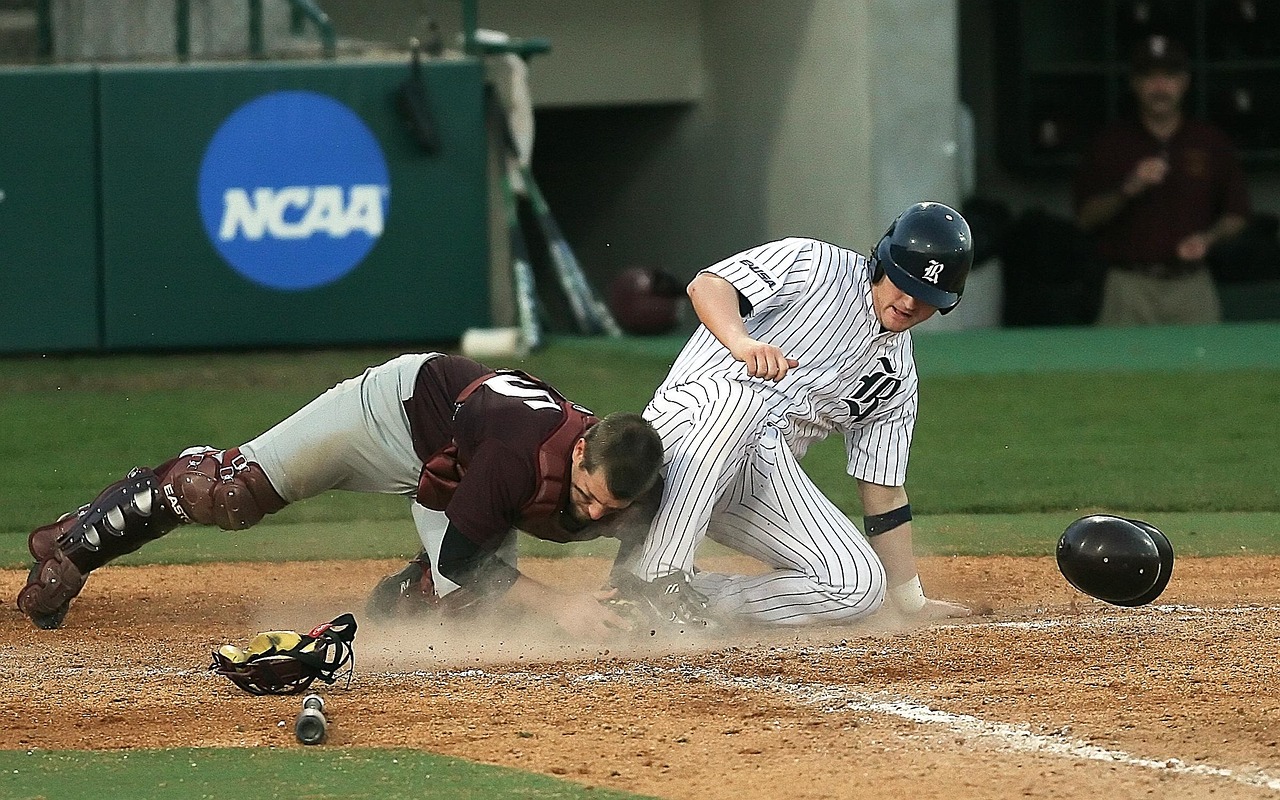
Proper equipment is a foundational component of a catcher’s performance. Quality gear, including helmets, chest protectors, and shin guards, are essential to ensure safety and effective performance. Specialized catcher’s mitts are designed to provide maximum grip and ensuring minimal rebound when receiving pitches. Regular maintenance of gear is crucial to ensure functionality and comfort throughout a long season. The helmet should fit snugly and protect from errant foul balls or pitches, allowing maximized visibility. Chest protectors come in different styles, suited for personal preferences and positions, ensuring a balance between mobility and protection. Moreover, catchers must choose shin guards that accommodate their style of play, providing adequate coverage without hindering movement. Many catchers prefer custom-fitted equipment for added comfort and assurance during games. Investing in high-quality gear can greatly enhance performance and reduce the risk of injuries, often overlooked by many. An effective catcher will take time to find the correct equipment tailored for their needs, considering both aesthetics and functionality. Ultimately, proper equipment not only serves protective purposes; it can greatly impact overall confidence, enabling catchers to perform at their highest level.
Another crucial element revolves around conditioning for catchers, given the physical demands of the position. Unlike players in other positions, catchers endure extended stints crouching and reacting to rapidly pitched balls. Therefore, a specific conditioning program is essential for endurance and joint stability. Key focuses should include exercises that build leg strength, core stability, and flexibility to endure the game’s physical rigors. Catchers should integrate strength training into their regimen, emphasizing lower body workouts such as squats and lunges to enhance explosive movements. Additionally, agility drills can improve reaction times and lateral movements, crucial for blocking and throwing. Nutrition plays a vital role in recovery and maintenance, with adequate hydration and balanced diets helping sustain energy levels during lengthy games. Catchers must also prioritize recovery methods such as stretching routines and cooldown practices. Collaborating with trainers to create an individualized workout plan can significantly improve performance. Ultimately, maintaining peak physical condition not only enhances in-game performance but can also help prevent a range of injuries that often plague catchers. A savvy approach to conditioning can help a catcher maximize their potential on the field.
The Catcher’s Role in Game Strategy
Understanding a catcher’s critical role in shaping game strategies is essential for aspiring players and coaches. They are essential in deciphering opposing teams’ tactics, identifying offensive trends and patterns to contribute to the overall strategic plan. A catcher who knows their pitchers’ strengths and weaknesses ensures informed pitch decisions that optimize game performance. Additionally, catchers play a pivotal part in communicating with umpires, as their relationship can influence game dynamics. The ability to read and respond to game scenarios can provide critical advantages over opposing teams when executing specific plays. The catcher’s view of the field offers unique insights into player positioning, enabling them to direct infield and outfield players effectively. Making strategic calls, such as defensive shifts or pitch selection, requires excellent judgment and an astute understanding of both team and opponent capabilities. Working closely with coaches enhances the catcher’s understanding of game nuances as they enact strategies during high-pressure situations. Ultimately, a catcher who excels in game strategy not only influences the current game but can also shape the development of the entire team over time.
In conclusion, mastering catcher skills and responsibilities is vital for developing successful baseball players. Catchers play a unique role combining mental acuity, physical capability, and strong leadership. As positions on the field require a comprehensive understanding of the game’s intricacies, catchers act as a bridge between pitchers, coaches, and other players. Establishing trust between pitchers and catchers can lead to improved on-field performance and enhance the team’s overall chemistry. Every aspect, from foundational skills to game strategy, highlights the importance of nurturing catchers for varied game situations. Proper equipment, rigorous conditioning, and mentorship significantly contribute to a catcher’s growth and effectiveness. By embracing learning systems and practices to improve themselves, catchers can develop into integral team members with an immense impact. Coaches must prioritize individual player development to maximize potential in this position and, in turn, elevate team outcomes. The journey to becoming an elite catcher is filled with potential, growth, and passion. By investing time and effort into their development, aspiring catchers can succeed in fulfilling their critical roles on the field, influencing their team’s success for years to come.