
How Weather Affects Your Bodyboarding Experience
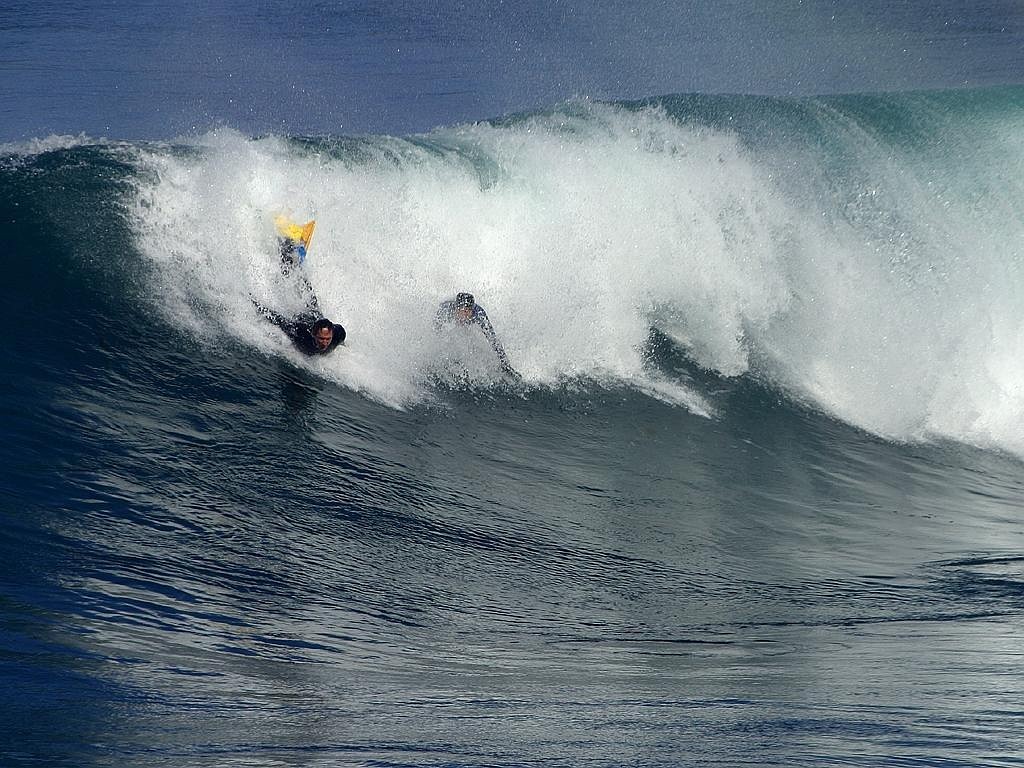
Weather conditions play a crucial role in your bodyboarding experience. The wind, surf, and temperature directly influence water quality and wave formation. Firstly, high winds can create choppy waters, making it more challenging to ride the waves. Conversely, gentle offshore winds help produce clean, well-formed waves, ideal for bodyboarding. As a bodyboarder, it is essential to check the wind conditions before heading out. Furthermore, the swell height significantly impacts your ride. Larger, powerful swells provide thrilling opportunities, but they can also be dangerous for beginners. On the other hand, smaller swells are perfect for those still honing their skills. Another vital factor is water temperature. Cold conditions not only require proper wetsuits to stay warm but can also affect your performance and comfort. Lastly, changes in tides can create different wave conditions. High tide can sometimes result in softer waves that are easier to ride, while low tide may expose rocky bottoms, enhancing the risk involved. Ensuring safety and having the right gear can dramatically improve your bodyboarding experience amidst various weather conditions, enhancing both enjoyment and performance.
Understanding how temperature affects bodyboarding is essential for an enjoyable day at the beach. Warmer water contributes to a more pleasant experience, allowing for longer sessions without feeling uncomfortably cold. In contrast, cold water can lead to hypothermia if you don’t wear appropriate thermal gear. Furthermore, atmospheric temperatures impact your overall comfort during your session. Hot weather demands hydration; forgetting to stay hydrated can lead to fatigue or heat exhaustion. It’s ideal to bring plenty of water along for your bodyboarding adventures. Another aspect is the sun’s intensity, which can lead to sunburns without proper protection. Applying good quality sunscreen is critical, as the water and sand can reflect sunlight, increasing exposure. It’s advisable to wear UV-protective clothing to provide additional shielding against harmful rays. Behavioral adjustments based on temperature can greatly enhance your performance; for example, in cooler weather, you might need to do extensive warm-ups to keep your muscles active. Ultimately, understanding the temperature’s implications on your bodyboarding will lead to safer and more enjoyable sessions, ensuring you make the most of your time in the water.
The Role of Wave Conditions
Wave conditions are paramount when planning your bodyboarding sessions. Before venturing out, it’s essential to analyze the surf reports, which provide insights into wave heights and frequencies at various locations. Ideally, bodyboarders seek out waves between 2 and 6 feet, striking a balance between thrilling rides and safety protocols. A common mistake among novice bodyboarders is to underestimate how treacherous larger waves can be; water currents can become unpredictable. Therefore, knowing your skill level is vital; don’t push yourself beyond your limits. Ideal wave conditions often occur during specific seasons. For instance, winter months can yield larger swells, making for exhilarating rides, but only for experienced riders. Additionally, factors like swell direction and wind speed can dramatically alter how waves break. Whereas some waves might have a steep incline, others are mellow and forgiving. Riding correctly depends on adapting to these conditions. Therefore, before each ride, check local surf conditions, and align your bodyboarding tactics accordingly. Whether you’re chasing adrenaline or simply enjoying the ride, being informed about wave conditions is vital for your success and enjoyment in the water.
Aside from environmental elements, personal safety cannot be overlooked when bodyboarding. Always ensure to wear appropriate safety gear, which includes a quality wetsuit suited for the water temperature. This ensures your body remains warm and agile. Additionally, using a leash to secure your bodyboard is essential; it protects you and your board from getting lost in the waves, which can be crucial during turbulent conditions. Moreover, never enter the water alone, especially in uncertain surf conditions. Having a buddy system enhances safety, allowing for mutual support, as well as assistance in case of emergencies. Keep an eye on lifeguards and obey warning flags, as they provide vital information regarding current conditions, currents, and wildlife. Remember, surfing and bodyboarding can be fun and rewarding experiences, but they also come with inherent risks. Educate yourself on rip tide behaviors and how to react. This knowledge could save your life. Always practice good judgment when power and size face you in the ocean. By prioritizing safety, you ensure your adventures can continue long into the future.
Impact of Seasonal Changes
As seasons change, so too do the bodyboarding conditions. Each season offers unique challenges and excitement for bodyboarders, making it essential to adjust your expectations and gear accordingly. Winter often brings powerful swells and colder temperatures, attracting seasoned riders who enjoy the thrill of larger waves. However, it requires proper equipment, including thick wetsuits and booties to protect against the harsh elements. Spring transitions to milder weather, opening up opportunities for beginner adventurers. The waters begin to warm up while swells stay manageable. This season encourages practice and skills development. Summer attracts more bodyboarders to the beaches; however, crowded conditions can make it difficult to find good waves. Despite this, the warm weather makes it a great time to enjoy friendly competitions and social sessions. In contrast, autumn often offers excellent conditions, with consistent waves and fewer crowds. The ocean stabilizes as temperature meets ideal conditions for bodyboarding enthusiasts. As you prepare for your bodyboarding adventures, acknowledging how seasons affect conditions will enhance your overall experience in the water and make each trip worthwhile.
Moreover, wind conditions remain critical across seasonal changes. In winter, onshore winds can create a messy surf, making it hard to catch quality waves. Conversely, during summer, offshore winds often deliver cleaner and more organized waves, enhancing your ride quality. Good wind conditions occur when winds are light early in the morning, making it an ideal time for bodyboarding enthusiasts to hit the waves. Tracking the ideal wind conditions for your region can vastly improve your sessions. Accessing reliable websites and apps offering real-time updates allows you to plan effectively. Additionally, understanding wind direction is just as crucial; for instance, onshore winds can create turbulence, while offshore winds help maintain wave shape. Incorporating wind conditions into your bodyboarding strategy can be a game-changer. Keep in mind your local tide charts, as they coincide with wind patterns, affecting what you may expect when you reach the shoreline. Combining knowledge of winds with waves maximizes both safety and excitement on your bodyboarding excursions, illustrating their undeniable importance to a successful adventure.
Adapting to Unpredictable Weather
Weather can change rapidly, especially near coastal areas, making adaptability essential for enthusiastic bodyboarders. Stay abreast of weather forecasts and tide patterns by utilizing reliable apps and websites. The unpredictability of weather requires a proactive approach; sometimes, overcast skies can mean emerging waves worth riding, particularly before or after a storm. Patience is vital as storms can generate larger swells after weather passes. Keeping a flexible mindset enables you to embrace unexpected opportunities. It’s essential to also track weather changes during your session; for that reason, bring adequate gear, such as windbreakers or ponchos. If rain starts pouring unexpectedly, loading your car with gear ensures everyone enjoys the time spent at the shore. However, lightning and thunder can be serious threats. Always prioritize safety when storms approach. Upon perceiving dark clouds or hearing thunder, refrain from entering the water. Consider taking breaks between riding sessions to stay warm or ensure your equipment functions well. Ultimately, embrace the ocean as a living entity. Respect its unpredictable nature while enjoying the journey; adapting to weather patterns will enhance your experience significantly and cultivate your skills.
In conclusion, understanding the effects of weather on bodyboarding cannot be overstated. The various elements such as waves, tide, wind, and temperature all contribute to adjusting your strategy and gear. Awareness of local weather patterns, seasonal shifts, and surf conditions dramatically impacts your performance and enjoyment. A thorough preparation process ensures safety; investing in proper gear is essential to enhance your overall bodyboarding experience. Emphasizing the importance of awareness surrounding safety conditions can lead to more rewarding adventures. Whether you’re catching waves during warm summer months or braving powerful winter swells, knowledge of weather dynamics allows you to surf more effectively. Lastly, developing an adaptive mindset strengthens your bond with the ocean. This perspective will foster your growth, ensuring every ride provides satisfaction and boosts your skills. Make it a priority to channel your respect for nature and enjoy the beauty of the unpredictable waves. Your bodyboarding experience will flourish, leading to unforgettable memories of adventure and excitement.