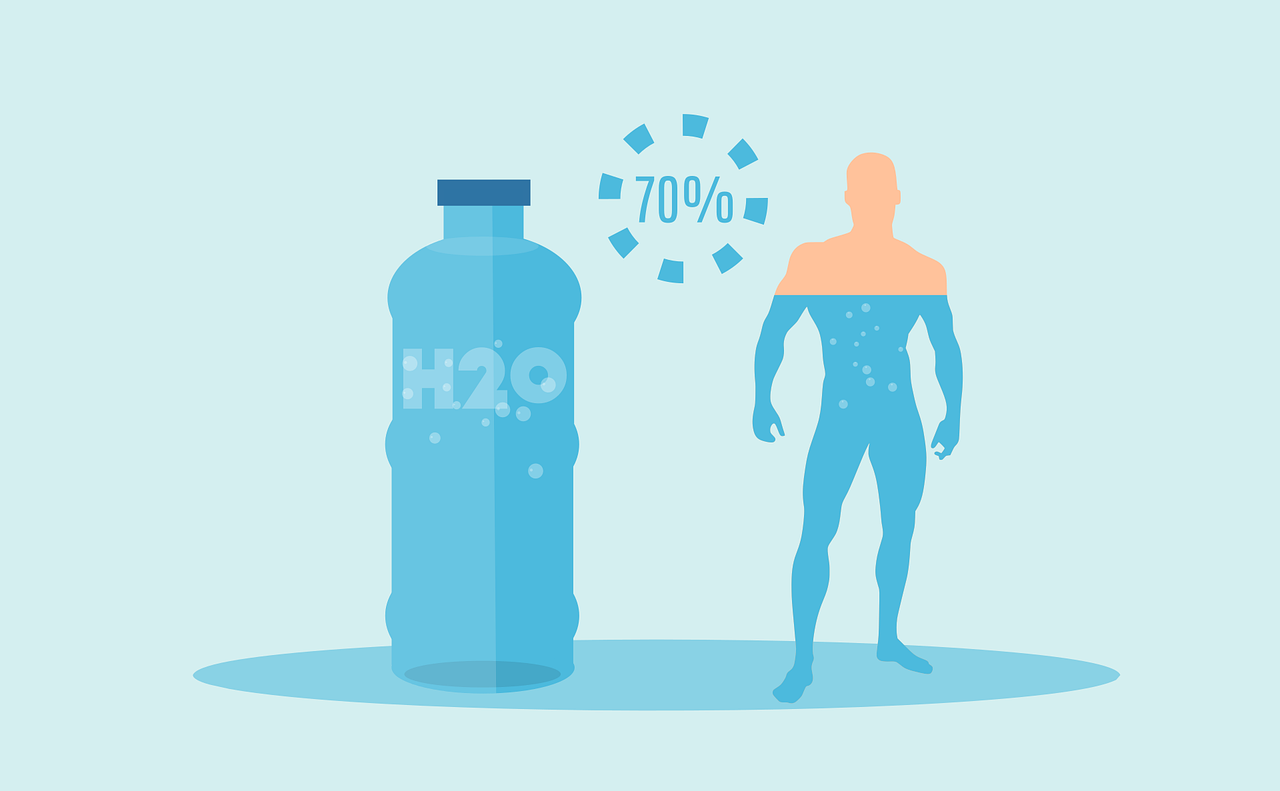

Hydration Tips to Support Explosive Power Training for Rugby Forwards
Proper hydration is crucial for rugby forwards, especially while training explosive power. Water plays a vital role in various physiological processes, including temperature regulation and nutrient transport. Inadequate hydration can lead to decreased performance, increased fatigue, and injuries. Rugby forwards engage in intense training sessions that demand peak physical performance, making hydration critical. Aim to drink water consistently throughout the day, not just during training sessions. Establish a hydration schedule that includes regular sips from your water bottle, ensuring you maintain optimal fluid balance. Electrolyte imbalance can occur due to excessive sweating, which is common during rigorous activities. Incorporating electrolyte-rich beverages into your routine can help restore these essential minerals. Look for drinks containing sodium, potassium, and magnesium to replenish lost electrolytes effectively. Avoid sugary sports drinks that often contain high levels of carbohydrates, leading to potential gastrointestinal distress. Instead, opt for low-calorie options that provide hydration without added sugars. By developing good hydration habits, rugby forwards can improve their explosive power training and overall performance on the field.
Understanding Hydration Needs
Understanding individual hydration needs is essential for rugby forwards during explosive power training. Each player’s body composition, metabolic rate, and environmental factors influence the amount of fluid required. Take into consideration factors such as your weight, activity level, and climate conditions. Monitoring your body’s hydration status can be achieved through simple methods, such as observing urine color. Light yellow typically indicates proper hydration, while dark yellow suggests dehydration. Keep a hydration log to track fluid intake, paying attention to how it correlates with your performance. Use a marked water bottle or measuring cup to help indicate your daily fluid goals. Rugby forwards should prioritize hydration before, during, and after training sessions to maintain optimal performance levels. Hydration before training helps prepare muscles for intense activity while preventing injuries. During training sessions, regular fluid intake can prevent fatigue and optimize output during explosive training segments. Post-training hydration is key to recovery, helping to restore fluid balance and replenish lost nutrients. Incorporating these practices allows players to make informed hydration choices that will directly benefit their explosive power training.
In addition to water, incorporating specific hydrating foods into your diet can greatly enhance hydration for explosive power training. Fruits and vegetables are excellent sources of hydration and nutrients, offering a substantial water content. Foods like watermelon, cucumbers, oranges, and strawberries are packed with vitamins and minerals to support your performance. Aim to include a variety of these foods in your daily meals and snacks to maximize hydration levels. Snack on fresh fruit before workouts, as it provides natural sugars for energy alongside hydration. Feel free to mix fruits into smoothies, yogurt, or oatmeal for an added hydration boost. For rugby forwards looking to optimize recovery, consider incorporating electrolyte-rich foods. Foods such as bananas, avocados, and sweet potatoes are great options for replenishing lost potassium, which regulates fluid balance in the body. Remember that staying hydrated is not only about drinking water; it’s equally important to focus on your overall dietary choices. A balanced nutrition plan that aligns with hydration goals can significantly improve the effectiveness of explosive power training for forwards on the rugby field. Properly fueled and hydrated athletes can perform better.
Timing Your Hydration
Timing is a crucial aspect of hydration for rugby forwards during explosive power training sessions. It is essential to adopt strategies that ensure hydration aligns with your training schedule. Aim to consume water and electrolytes before your training, as proper hydration will enhance muscle readiness. Starting your session adequately hydrated will help prevent premature fatigue and maintain peak performance throughout practice. Drinking around 500 mL of water two to three hours before exercise will give your body time to process the fluid. Adding a source of electrolytes to this pre-training hydration will further help in balancing sodium levels, ensuring performance isn’t hindered by dehydration. During training, consistent hydration is vital, especially in intense training periods. Sipping on water or an electrolyte drink every 15-20 minutes can help maintain fluid levels and prevent dehydration. After training, rehydrating is as crucial as the pre-training routine. Aim to replace between 1.5 to 2 times the fluid lost during exercise within the first hour post-training. This practice will pave the way for optimal recovery and effective explosive power training adaptations in your performance.
During intense training periods, taking note of weather conditions is essential for maintaining proper hydration. Heat and humidity increase sweat loss, making it critical for rugby forwards to adjust their fluid intake accordingly. Pay attention to how your body reacts to different temperatures and modify your hydration strategy based on these environmental conditions. In hot weather, opt for frequent and small sips of fluids to ensure continued hydration, rather than consuming large amounts at once. This method allows for better absorption and digestibility, ensuring optimal performance levels during explosive power training. Incorporating cooling strategies, such as wearing breathable fabrics and utilizing shaded areas during breaks, can also help regulate body temperature and reduce sweat loss. In extreme heat, it’s advisable to extend your hydration breaks as needed and encourage teammates to do the same. Hydration technology, like smart water bottles, can help track water intake and remind players when to drink. By remaining vigilant about fluid intake based on weather conditions, rugby forwards can better support their explosive power training and significantly enhance their on-field performance.
Hydration Supplements
In addition to water and food, rugby forwards might explore hydration supplements to optimize performance during explosive power training. Various supplements are designed to enhance hydration and replenish electrolytes lost during vigorous physical activity. Choosing the right hydration supplement is essential; look for options that are low in sugar and high in essential minerals. Some popular choices include electrolyte powders, tablets, and hydration drinks that contain a blend of sodium, potassium, and magnesium to support fluid balance efficiently. While some athletes find success with hydration supplements, it’s important to incorporate them wisely into your overall hydration strategy. Supplements are an addition to your hydration routine and should not replace water intake. Always test out any new supplement during practice rather than competition to assess tolerance and effectiveness. Additionally, remember to seek advice from a sports nutrition professional before introducing supplements. They can tailor strategies to your individual needs and performance goals, ensuring that you harness the benefits of hydration while supporting explosive power training effectively on the field.
Finally, maintaining a balanced approach to hydration and overall health is essential for rugby forwards aiming to enhance their explosive power. Reflecting on your hydration habits and assessing their effectiveness is critical for long-term success on the field. Collaborating with coaches, nutritionists, and teammates can provide guidance and create a culture of hydration awareness within the team. Creating an environment where hydration is prioritized will help all players understand its vital role in sports performance. Individuals should continually assess personal hydration strategies and adapt them based on ongoing training demands, health status, and dietary preferences. Furthermore, sharing successful hydration strategies can help foster a supportive atmosphere among teammates. Engagement in team discussions about hydration can lead to better adherence to hydration practices. As rugby forwards dedicate themselves to improving their explosive power for optimal performance, adopting these hydration tips will positively impact not only individual players but also the team’s performance overall. By taking fluid needs seriously, rewarding efforts at training, rugby forwards will undoubtedly enhance their competitive edge and become stronger athletes on the field.
In summary, hydration for rugby forwards is a multifaceted approach that includes proper fluid intake, timing, dietary choices, weather awareness, and potentially supplementation. Committing to a hydration strategy that addresses individual needs and training demands will significantly enhance performance in explosive power training. This comprehensive method encourages players to view hydration as a crucial element in their training regimen. By implementing these hydration tips systematically, rugby forwards will experience improved recovery times, optimized power output, and reduced risk of injury. Emphasizing the importance of hydration will lead to more effective training sessions and ultimately better performance during matches. Staying fully hydrated and encouraged among team members is essential for building team cohesion and overall success. The principles discussed within the article serve as a foundation for understanding the nuances of hydration in a sport as demanding as rugby. Therefore, as you focus on your explosive power training, prioritize hydration as much as you would your workouts. Each aspect of hydration contributes to enhanced performance and supports the overall health of rugby forwards as athletes. With the right balance, hydration can become a game-changer on the field.