
The Role of Biomechanical Feedback in Prosthetic Training for Sports Performance
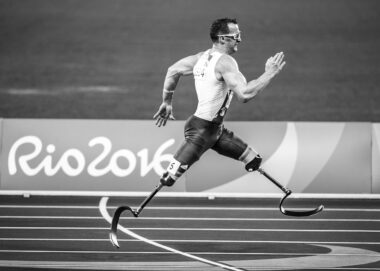
Biomechanics is an essential component in the design and training associated with prosthetic limbs, particularly in the realm of sports performance. With advancements in technology, biomechanical feedback systems are becoming increasingly sophisticated and accessible. These systems provide real-time data regarding the mechanics of human movement. They can monitor various factors such as speed, force, and gait efficiency, which can be critical for athletes using prosthetics. For athletes, this feedback can lead to improved performance by allowing for precise adjustments during training sessions. By understanding their biomechanics more thoroughly, athletes can make informed decisions about technique and strategy. Furthermore, incorporating this feedback into training regimens can help identify specific areas for improvement. Coaches and trainers can utilize this data to better support their athletes, ensuring that they maximize their potential on the field or court. Overall, the integration of biomechanical feedback into prosthetic training is paving the way for enhanced athletic performance and injury prevention. This technology not only boosts athletes’ confidence, it redefines the limits of what prosthetic users can achieve in competitive sports.
Understanding Biomechanical Feedback Systems
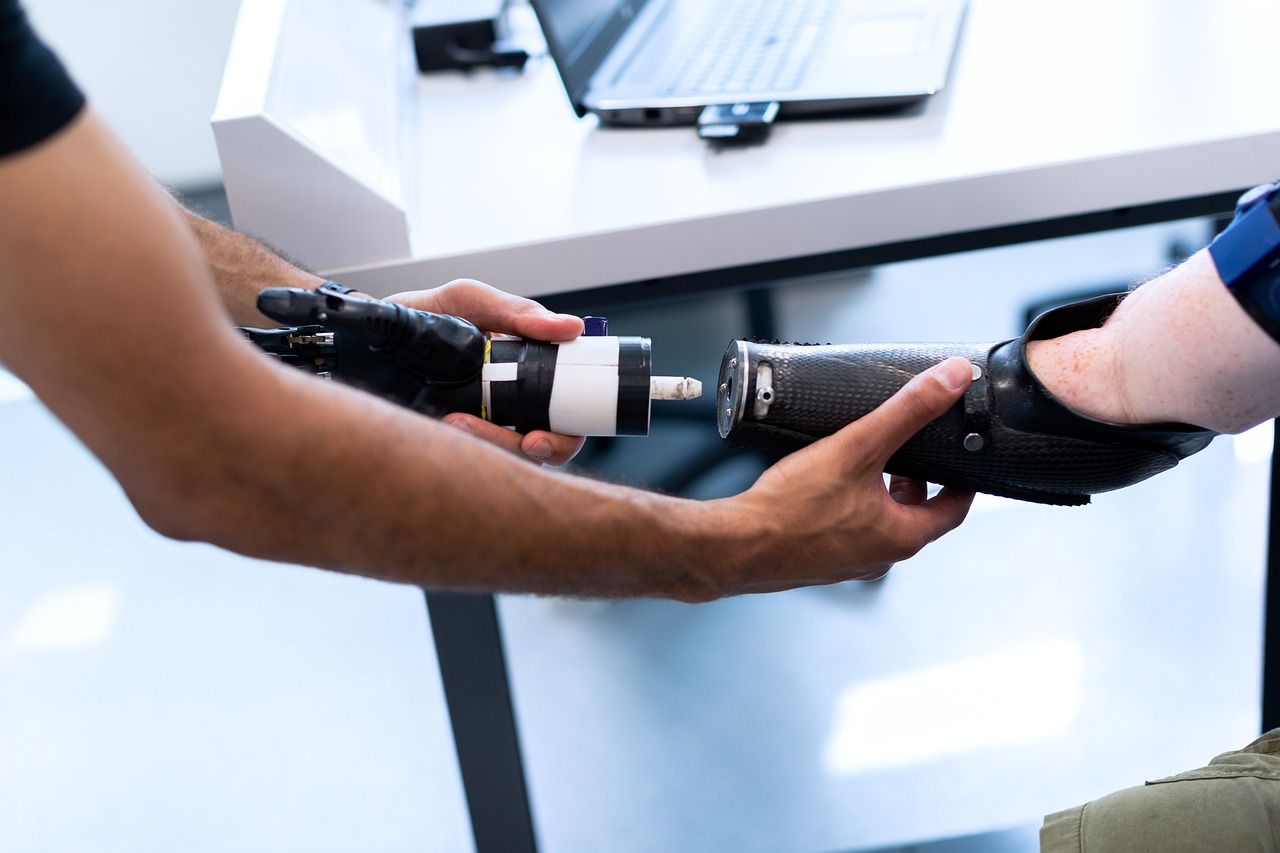
Biomechanical feedback systems typically consist of sensors that track various elements of movement, leveraging advanced algorithms to deliver actionable insights. This data can be visualized through software applications, providing athletes with immediate feedback on their performance metrics. By continuously monitoring aspects such as joint angles, overall balance, and force generation, these systems allow athletes to engage in a more data-driven training approach. Sensors can be placed on the prosthetic device itself or worn as external devices. Data feeds directly into devices like smartwatches or tablets, making it user-friendly. Additionally, these systems facilitate objective performance assessments by converting qualitative observations into quantitative analyses. Athletes now have the ability to visualize their movements in different contexts, whether on grass, a track, or in a gym. With improved awareness of their biomechanics, prosthetic users can work on optimizing their form, which not only enhances their performance but also reduces the risk of injuries. This feedback emerges as a powerful tool in tailoring training sessions, contributing to effective longitudinal improvements over time.
The role of prosthetic training goes beyond just physical adaptation. It encompasses psychological and emotional dimensions as well. When athletes receive constant biomechanical feedback, it cultivates a sense of ownership over their training regimen. This feeling of control can boost motivation and confidence levels significantly. Knowing where they stand in terms of performance metrics enables athletes to set precise goals. They can track progress, celebrate small victories, and remain engaged throughout their training process. Feedback facilitates constructive conversations between athletes and coaches, allowing for detailed discussions. This interaction contributes to a richer overall training environment. Enhancing one’s biomechanics promotes not just athletic performance but emotional resilience too. Embracing technology in training helps athletes become more mindful of their bodies. Understanding the intricacies of how each movement affects performance enables them to strategize effectively during competitions. Moreover, emotional intelligence is nurtured, as athletes become more adept at responding to physical cues. Consequently, biomechanical feedback can serve as a bridge between physical training and mental fortitude.
Customized Training Plans
To maximize the benefits of biomechanical feedback, customized training plans are essential for prosthetic athletes. Each athlete has unique requirements based on their physical abilities, limitations, and sport-specific needs. Developing personalized training regimens ensures that the feedback they receive is not only relevant but actionable. By aligning training objectives with biomechanical insights, coaches can devise exercises that target areas needing improvement. For instance, if an athlete struggles with balance or gait, specific drills can be incorporated to bolster those aspects. Tailored programs also factor in recovery, as they allow trainers to avoid injuries stemming from overtraining or improper biomechanical habits. Regularly adjusting these plans based on new feedback keeps the training process dynamic. Utilizing technology, athletes and coaches can communicate effectively about necessary adjustments and adaptations. This leads to a more fluid integration of training methodologies among various stakeholders, including physiotherapists and sports psychologists. Overall, customized training plans rooted in biomechanical feedback enhance both athletic performance and overall quality of life for prosthetic users.
Furthermore, the psychological aspect of training can be emphasized when utilizing biomechanical feedback systems. As athletes become more acutely aware of their body mechanics, they can cultivate a deeper understanding of their strengths and weaknesses. This awareness fosters not only self-confidence but also a growth mindset. Athletes equipped with a clear visualization of their biomechanics are better positioned to tackle challenges head-on. They can experiment with different techniques, which contributes to skill diversification. Enhanced proficiency allows athletes to engage in a broader range of sports and activities. Sharing feedback openly with coaches and peers enhances accountability, encouraging a supportive training environment. The incorporation of feedback becomes a collaborative process, fostering connection among teammates and coaches. Trust builds as they work collectively towards shared goals. Moreover, athletes develop resilience through tackling setbacks and recognizing progress realistically. With technology paving the way for enhanced feedback loops, athletes using prosthetics can transcend limits, becoming more adaptable and resourceful. Thus, biomechanics not only impacts physical performance but also significantly influences mental conditioning.
The Future of Prosthetic Training Technology
Looking ahead, the future of prosthetic training technology seems promising, particularly with the increasing role of biomechanical feedback. Advancements in artificial intelligence and machine learning are set to revolutionize how data is processed and utilized in training. Innovations may lead to even more personalized training regimens, refining the feedback loop continuously. This enhances adaptability and responsiveness, allowing athletes to make practice adjustments on-the-fly. Integration with wearable technology is also expected to grow. Imagine smart fabrics that can provide real-time feedback on body mechanics during various activities. Such innovations will further empower athletes to monitor their biomechanical performance continuously, providing immediate data analytics that can be leveraged for peak performance. The collaborative efforts among engineers, sports scientists, and athletes lead to a continuous evaluation of current training practices and technologies. Emerging tools may also give rise to virtual coaching experiences, where feedback is provided in real-time during events. Thus, ongoing research in biomechanics will both elevate performance standards and ensure that athletes with prosthetics not only compete but strive towards excellence.
In the realm of competitive sports, understanding the role of biomechanics becomes central for both athletes and trainers. Emphasis on biomechanical feedback in training signifies a shift toward data-driven methodologies that enhance overall sports performance. It is important to advocate for more extensive research and collaboration across relevant fields. By facilitating dialogue between sports scientists, biomechanical engineers, and prosthetic designers, innovative solutions can be continually achieved. Expanding knowledge in biomechanics ensures that emerging athletes receive the best possible training practices. This further integrates broader perspectives involving health, performance, and well-being. It is vital to keep the focus on individualized approaches that optimize the potential of prosthetic users. The evolution of these technologies must prioritize accessibility, ensuring that all athletes can benefit from biomechanical feedback. As technology progresses, athletes using prosthetics will undoubtedly access increasingly advanced resources, reshaping competitive landscapes. With such potential at the fingertips of aspiring athletes, the future of prosthetic training looks not only bright but exceedingly dynamic, representing a new frontier in athleticism that transcends traditional boundaries.
In conclusion, the role of biomechanical feedback in prosthetic training is vital for enhancing performance and promoting adaptability. Athletes utilizing prosthetics can benefit from a nuanced understanding of their biomechanics. The introduction of real-time feedback systems serves to optimize training practices, fostering confidence and accountability. Training regimens that incorporate these feedback loops help instill a greater alignment between physical capabilities and performance objectives. Ultimately, as technology continues to evolve and integrate into prosthetic training, it encourages a culture that values continual improvement and resilience. Biomechanical feedback addresses not just physical dimensions but emotional and psychological aspects of sports, paving the way for holistic athlete development. With ongoing research and technological advancements, the future remains ripe with potential for athletes using prosthetics to redefine limits in competitive sports.