
Training Outdoors vs Indoors: Best Environments for Baguazhang Circle Walking
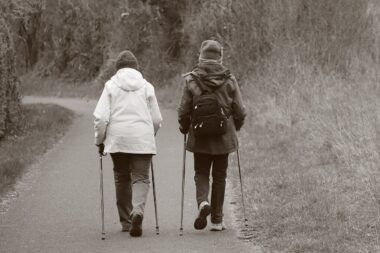
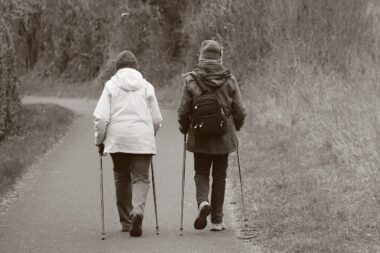
When practicing Baguazhang circle walking, choosing the right environment is crucial for performance and comfort. Many practitioners debate whether outdoors or indoors is superior for their training sessions. Each setting has unique advantages that cater to different aspects of the practice. Typically, training outdoors helps you connect with nature, which can enhance your physical and spiritual experience. Fresh air stimulates well-being and provides a refreshing change from gym environments. Additionally, outdoor spaces allow for expansive movement and encourage curiosity, as you navigate varying terrains. On the other hand, indoor practice protects from harsh weather conditions, offering a controlled atmosphere. This control can lead to focused practice without distractions, also allowing for specific adjustments to your form and technique. Strong lighting and mirrors often available indoors can significantly aid in self-correction. Furthermore, a consistent indoor environment means less variance in temperatures that could affect performance. Multitude options exist, but balancing both settings may yield the best overall results for your training in Baguazhang. Each practitioner will benefit from incorporating various environments into their practice, optimizing their progress.
Environmental Factors: Weather Impact and Space
Weather is a significant factor when considering outdoor training for Baguazhang circle walking. Practitioners must be prepared for fluctuations in climate including factors like temperature, wind, and precipitation. In favorable weather, outdoor training provides a unique atmosphere. The variety in scenery can stimulate mental clarity, enhancing focus during practice. On the contrary, inclement weather forces practitioners indoors, which could disrupt your training schedule. While indoor spaces may provide consistency, they can also feel confined and less inspiring. Space is also an important technical aspect of circle walking practice; outdoor areas typically offer much more room. In contrast, indoor spaces might be limited, which could restrict your movements. Practicing in cramped conditions can negatively impact your form and fluency. To combat this limitation, it is vital to identify a spacious area indoors as well. Think about incorporating yoga studios or dance spaces to facilitate movements without the limits imposed by walls. Eventually, both outdoor and indoor environments contribute to creating a well-rounded understanding of Baguazhang’s principles, as you navigate various dynamics within your practice.
Social Aspects: Community and Distraction
Engaging with a community can enhance your Baguazhang training experience significantly. Outdoor settings tend to attract other practitioners or curious onlookers, providing opportunities to share your practice. The chance to connect with fellow martial artists often promotes a friendly exchange of techniques and ideas. This factor not only inspires motivation but also encourages friendly competition, which can push your skillset forward. Practicing indoors may sometimes feel isolating unless you have a dedicated training partner or group. However, indoor settings minimize distractions which could potentially break concentration. Distractions from outside noise or passersby can sometimes hinder your ability to focus fully and maintain a meditative mindset. Notably, when practicing in an indoor group, the shared energy can fuel your drive to excel. Reflecting on these elements, practitioners should consider what encourages them socially. If you thrive on community, outdoor training may be the best option. However, if you find solace in concentration and minimal interruption, an indoor space might suit you better. Ultimately, your personal preferences will guide your decision in choosing the right environment for Baguazhang circle walking.
Amplifying Focus: Structured Practices
When examining the benefits of indoor training sessions, the discipline often increases as the environment becomes more structured. Indoor facilities provide controlled conditions ideal for refining intricate movements required in Baguazhang. Practitioners often find themselves more aligned with their intentions in a dedicated practice space. Undoubtedly, this environment is beneficial for beginners who require more concentrated attention to detail while formulating a foundation of movements. Fewer interruptions lead to improved mastery over techniques that would otherwise be lost amid an outdoor atmosphere filled with various stimuli and distractions. However, being outdoors also provides opportunities to develop adaptability in practice. Mastery of Baguazhang cannot solely arise from structured routines; adapting movements to variable spaces builds resilience in practitioners. Balancing both environments allows for maximum growth through exploration and focus. To achieve the highest level of proficiency in Baguazhang circle walking, it’s essential to identify when to capitalize on each setting. Structure fosters improvements while outdoor versatility enhances your skill set through diversity and adaptability. Finding this balance can take time, but the rewards of varied training experiences will deepen your understanding of Baguazhang.
Mental Benefits: Inspiration and Mindfulness
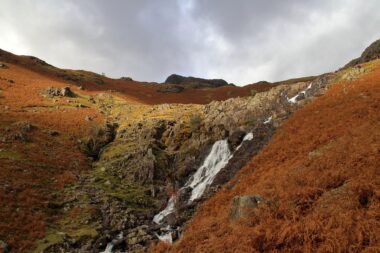
A significant advantage of outdoor training is its potential to foster an improved mindset. Practicing Baguazhang circle walking outdoors allows for a connection to nature, revitalizing your spirit. This bond can inspire creativity, encouraging you to explore both movement and thought processes. Natural surroundings provide an opportunity to let go of routine restrictions, thus promoting greater mental freedom. This freedom often translates into enhanced performance during practice sessions. Conversely, indoor environments contribute to focused training that brings about mindfulness. The removal of external disturbances typically enables practitioners to center their thoughts on specific movements or breathing exercises. Such concentrated practice can lead to breakthroughs in kinesthetic awareness, enhancing overall technique. Therefore, blending the inspiration of nature with a controlled, mindful focus can yield remarkable mental benefits. You may discover that outdoor sessions illuminate creative techniques while indoor practice hones precision and mindfulness. This harmony between inspiration and focus ultimately forms a powerful foundation for profound transformation in the Baguazhang circle walking journey. Identifying a healthy balance between both settings supports your personal growth as a martial artist. Each location has much to offer, and diversity enriches every aspect of your practice.
Safety Considerations: Risk Management
Safety should always be a prominent consideration when choosing your training environment for Baguazhang circle walking. Practicing outdoors can pose unique risks, primarily in terms of uneven surfaces or obstacles that may cause injury. Practitioners should ensure they choose safe spaces, like parks or fields with level ground, to avoid mishaps during training. While nature always offers dynamic training experiences, these spaces often contain natural elements requiring caution. Conversely, indoor settings usually feature predictable floors, lighting, and overall hazards. Yet, even in indoor spaces, caution is vital as surroundings can introduce risks too. Disregarding hazards like furniture or equipment could lead to accidents. Furthermore, weather can easily influence safety if training outdoors; heat, rain, or snow can impact both performance and hazard levels. By remaining mindful of potential risks, martial artists can find ways to navigate their environment more carefully. Setting routines that include proper warm-ups can also mitigate risks regardless of the chosen space. Thus, understanding the safety aspects of both settings empowers practitioners to make better training decisions moving forward.
Conclusion: Optimizing Baguazhang Practice for Growth
To summarize, Baguazhang circle walking benefits from diverse training environments. Exploring both indoor and outdoor spaces contributes to a comprehensive understanding of the art. Each offers unique advantages that can enrich your practice in various ways. Outdoor environments inspire creativity, while indoor settings foster focus and mindfulness. As practitioners navigate their journey through Baguazhang, recognizing the significance of different contexts becomes essential. Learning when to utilize each environment allows for balanced growth, promoting adaptability and understanding of the principles within Baguazhang. The flexibility to switch environments during training helps establish a well-rounded practitioner prepared for challenges, enhancing performance on various levels. Ultimately, experimenting with both settings enriches one’s practice, creating opportunities for personal growth and connection to the art. So gear up for insightful sessions in both nature and controlled environments. Most importantly, enjoy the journey, as the insights gained from diverse experiences will undoubtedly strengthen your overall ability as a martial artist. Stay committed to nurturing this balance, and you will discover new facets of your Baguazhang circle walking practice as your skills continue to evolve.