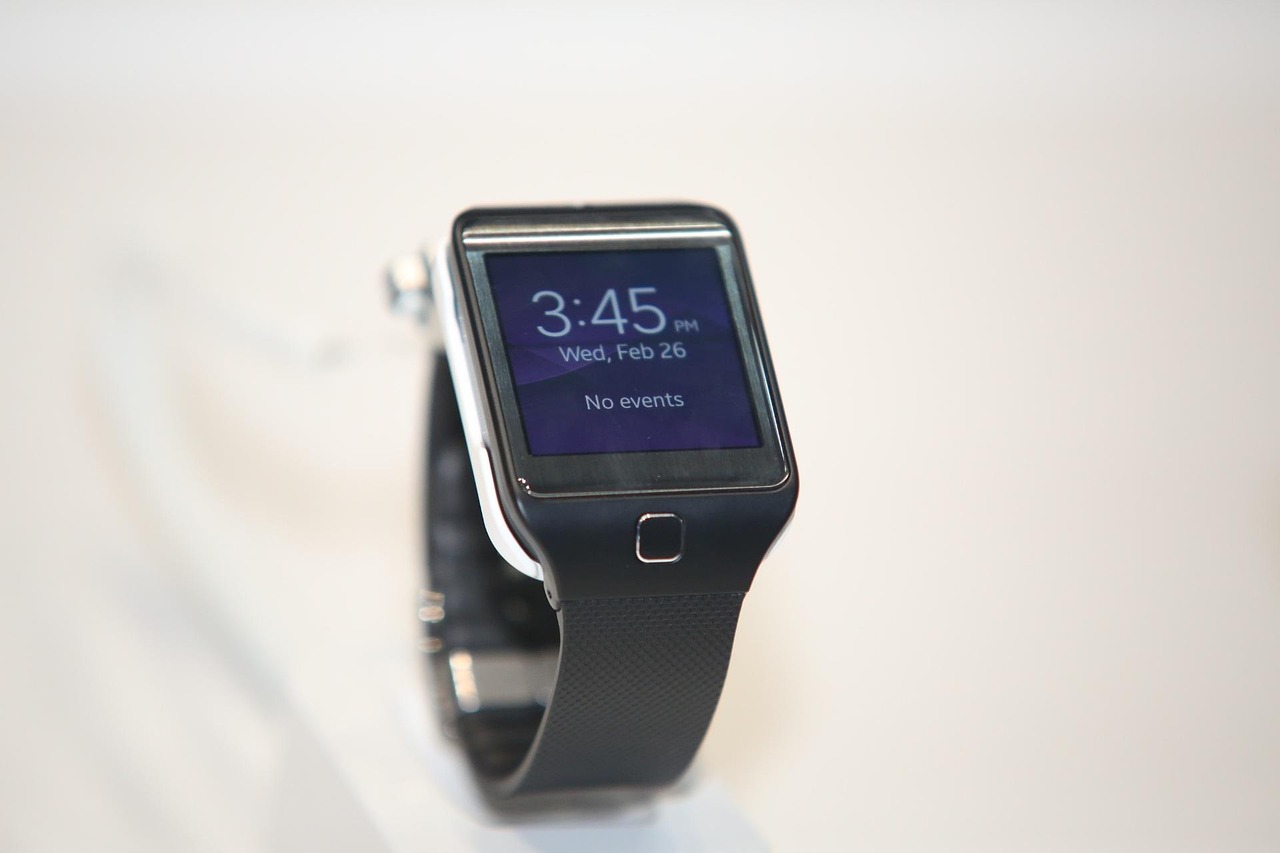

The Evolution of Machine Learning Models in Fitness Wearables
Fitness technology has undergone significant transformations, particularly with the integration of artificial intelligence (AI) in wearable devices. Over the years, the advent of machine learning (ML) has reshaped how fitness data is collected, analyzed, and utilized. Initially, fitness wearables primarily tracked basic metrics such as steps, heart rate, and calories burned. With AI advancements, wearables can now detect patterns and provide more tailored fitness recommendations to users. Through complex algorithms, they analyze biometric data in real time, adjusting fitness plans based on individual performance and needs. Wearables like smartwatches and fitness bands have incorporated these features, elevating user experience. For instance, wearers can receive alerts when heart rates exceed healthy levels, thus preventing overexertion. Users can also access predictive analytics, allowing them to foresee potential health issues based on their activity trends. As the technology evolves, we can expect more precise tracking and personalized insights, significantly benefitting fitness enthusiasts and professionals alike.
The Role of Data in Wearable Devices
The backbone of AI in wearable fitness technology is data. Massive amounts of data are collected daily from users exercising around the world. This data includes heart rates, sleep patterns, and even environmental conditions such as temperature and humidity. Machine learning models process this data to identify trends and generate actionable insights. For example, by analyzing sleep data, wearables can suggest optimal workout timings for individuals, ensuring better performance. Moreover, data privacy and security have become critical considerations in device design. Users want assurances that their sensitive information is protected from unauthorized access. Fitness tech companies must prioritize robust cybersecurity measures while collecting and processing user data. Additionally, compliance with regulations like GDPR ensures user rights are respected, making data collection ethically responsible. As wearables become more ubiquitous, the effective handling of data will be pivotal in shaping user trust and satisfaction. The future of AI in fitness technology relies on harnessing data intelligently while ensuring ethical and secure practices.
Artificial intelligence’s predictive capabilities enhance the insight drawn from workout sessions. Machine learning in wearables utilizes historical data to forecast individual performance metrics over time. For example, through continuous learning, these devices can predict an athlete’s endurance based on previous workouts. This predictive ability helps both trainers and individuals to refine training regimes to avoid plateaus. Moreover, wearables equipped with AI can recommend rest days based on recovery metrics and past performance to maximize gains. Additionally, they can alert users when signs of fatigue or stress arise, enabling timely interventions for health preservation. Such features are revolutionary for sports professionals seeking to optimize performances leading to better results. Furthermore, the biodiversity of user data allows for constant model refinement and adaptation, making wearable tech smarter and more user-oriented. In this manner, AI empowers users not just with raw data but with tailored advice that fits dynamic lifestyles. Continuous innovations in machine learning algorithms will vastly improve the fitness experience and outcomes for users.
As AI technology continues to evolve, smart coaching becomes a reality for fitness enthusiasts. Wearable devices equipped with machine learning can now simulate personalized coaching experiences. Through detailed analysis of user metrics, wearables can provide instant feedback during workouts, resembling a live coach. This feedback can include corrections on form, insights on pacing, and suggestions for intensity adjustments, enhancing overall workout efficiency. Digital coaching eliminates the need for constant human supervision while offering comparable advantages. With advancements in natural language processing (NLP), wearables can also interact with users conversationally, answering queries and offering encouragement in real time. The combination of AI-driven data analysis and responsive coaching builds a supportive environment for users, significantly improving motivation levels. Additionally, social features can be integrated, enabling users to share their achievements within communities, fostering competition, and encouraging mutual support. As wearables become interaction-based rather than solely information-driven, the landscape of fitness training is substantially transformed, making workouts more engaging and effective for all types of users.
The Future of AI in Fitness Wearables
Looking toward the future, the potential for AI in fitness wearables is monumental. As technology advances, wearables will likely become more sophisticated, utilizing enhanced sensors and machine learning capabilities to capture even more granular data. Future wearables are expected to analyze techniques in various exercises, providing insights not just on health metrics but also on exercise methods. For instance, wearables may utilize motion sensors to evaluate running form, alerting users to adjustments that can prevent injuries. Furthermore, the integration of AI with virtual reality (VR) and augmented reality (AR) might offer users immersive workouts and training experiences. Imagine a wearable that simulates an outdoor running environment while collecting data on heart rate and energy expenditure. These innovations will create engaging fitness solutions capable of addressing individual needs in real time. As interoperability becomes standard, users will enjoy seamless access to multiple fitness apps and platforms through a single device, enhancing the overall fitness experience. AI and fitness wearables together promise to revolutionize personal health management, making fitness more accessible and enjoyable for everyone.
The continuous advancement of AI technology in wearable fitness devices also raises ethical questions. Considerations regarding data ownership and usage policies will be paramount as devices proliferate. Users must be able to trust that their data remains confidential and that companies uphold transparency in data handling. As AI algorithms evolve, ensuring that biases do not affect the outputs is crucial for fairness and accuracy in fitness recommendations. Companies developing fitness wearables need to establish clear ethical guidelines and practices for utilizing AI responsibly. Additionally, cultivating user education regarding technology usage and data implications will empower individuals while using wearables. A foundation of trust between companies and users will be essential for widespread adoption of these technologies in fitness. The balancing act between innovation and responsibility will shape the future trajectory of AI in fitness wearables as users become more discerning regarding how their data is used. Innovators must focus on creating products that not only enhance health outcomes but also respect user rights and privacy.
Conclusion: The Transformational Power of AI
In conclusion, machine learning models in fitness wearables represent a crucial intersection of technology and personal wellbeing. Through advanced algorithms, these devices have transformed traditional fitness tracking into a rich, interactive experience. As mechanisms for data collection and analysis advance, wearables are set to provide progressively personalized and actionable insights. This evolution reaches beyond mere metrics, incorporating aspects like mental health and motivation into their capabilities. By creating a holistic approach to fitness, AI-powered wearables are redefining how people engage with their health journeys. The transformational power of AI in this space is undeniable, with groundbreaking innovations pointing toward a future where fitness becomes seamlessly integrated into daily life. As we move forward, consumers can expect wearables that not only help achieve fitness goals but also promote overall wellbeing through intelligent design. The relationship between technology and fitness is evolving dynamically, blending science with the art of personal health and setting the stage for a healthier, happier society. Embracing this evolution will empower individuals, optimize their health journeys, and fundamentally change the fitness landscape.
Overall, as machine learning continues to advance, we can anticipate significant improvements in the functionality and user experience of wearables in the fitness domain. No longer limited to basic physical tracking, innovations in AI will enhance capabilities, supporting users across all fitness levels. Wearables will likely evolve to become smart companions in achieving comprehensive health goals. These changes could very well include developments in hydration tracking, meal planning assistance, and emotional well-being monitoring. As diverse as the future possibilities may be, the central theme remains clear: the fusion of fitness and technology will propel individuals toward healthier lifestyles. As obstacles such as injury prevention and motivation are addressed through AI, wearables offer unprecedented support. This synergy of technology and health holds the potential to save lives, improve health quality, and make fitness more enjoyable. Thus, the journey of AI in wearable fitness tech is just beginning. Continuous investment in R&D will further explore these capabilities, leading to unimaginable advancements. More importantly, these innovations must remain accessible, ensuring all individuals can benefit from the positive outcomes brought forth by AI in wearable fitness technology.