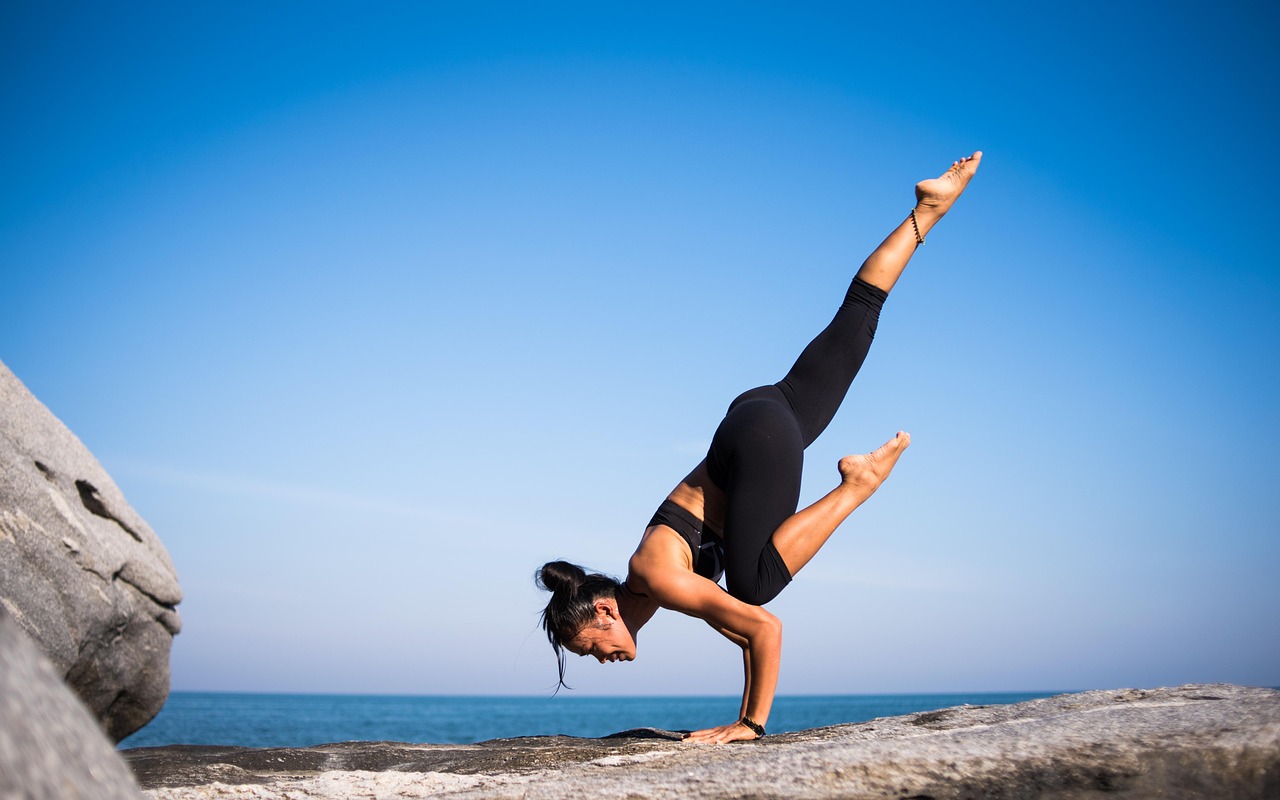

Core Conditioning Tips for Superior Balance Performance
To enhance your balance performance, focusing on core conditioning is essential. A strong core stabilizes your entire body, which plays a vital role in maintaining balance during diverse movements. To initiate your core training journey, prioritize exercises that engage multiple muscle groups. Begin with planks, as they effectively engage the abdominal muscles while promoting stability and alignment. Another excellent choice is the bridge exercise, which activates the glute muscles and enhances core strength. Integrating these movements into your routine creates a solid foundation for balance. Additionally, adding twisting exercises, like Russian twists, helps enhance rotational strength crucial for various sports and activities. Moreover, employing stability tools like a balance board or stability ball can intensify core workouts, making them more engaging and effective. Consistency is key; aim for at least two to three sessions per week focused on core conditioning. By adhering to this routine, individuals can expect improved balance and coordination over time, reducing the risk of injury during everyday activities. Mental focus during each exercise enhances mind-body connections, which is vital for executing movements accurately and maintaining stability.
Incorporating dynamic movements into your core strength regimen is an effective technique that bolsters balance. Dynamic exercises involve movement patterns that closely resemble activities you engage in daily. For instance, incorporating lunges or squats while simultaneously performing twists engages the core dynamically and improves balance. These compound movements not only build strength but also enhance proprioception, which refers to your body’s ability to perceive its position in space. Examples include the lunge with a rotation, which performs comprehensive engagement across various muscle groups. Moreover, consider integrating yoga or Pilates sessions into your weekly routine; these practices emphasize core strength and body awareness. The incorporation of best practices and techniques from these disciplines can yield tremendous benefits for stabilizing the core. Attention to detail in posture and mechanics while performing these exercises is crucial to maximize benefits. Additionally, experimenting with varied surfaces, such as performing exercises on grass or sand, can augment balance challenges and further train your stability mechanisms effectively. Therefore, diversifying your core exercises ensures a well-rounded approach to improving balance performance by simultaneously enhancing coordination and strength.
The Role of Flexibility
Flexibility significantly impacts balance by allowing a broader range of motion. Enhanced flexibility permits smoother movements, reducing stiffness during twisting, bending, and reaching actions. A flexible body allows for quicker adjustments that are essential during balance-requiring tasks. Incorporating regular stretching routines into your training can dramatically improve overall flexibility. Dynamic stretching, in particular, effectively loosens muscles before engaging in physical activities. Meanwhile, static stretches following workouts help maintain and improve flexibility over time. Key stretches for your core and lower body include hip flexor stretches, hamstring stretches, and quadriceps stretches. These muscle groups play an integral role in stabilizing your posture and maintaining balance. Notably, practicing techniques like the cat-cow stretch fosters flexibility while simultaneously engaging core muscles. Furthermore, exploring foam rolling can facilitate muscle recovery and flexibility. Foam rolling alleviates muscle tightness, promoting better muscle performance, which translates to improved balance. Always prioritize gradual progress; pushing your limits too quickly can lead to strains or injuries. Achieving optimal flexibility may require time and persistence, but the connection between flexibility, core strength, and balance is undeniably powerful.
An essential component of balance training involves understanding the importance of performance measurement and testing. Regularly assessing your balance capabilities provides insight into your progress and areas needing improvement. One effective measure is the single-leg balance test, which reveals how well you can maintain stability on one foot. Another notable test is the Y Balance Test, primarily used for athletes, measuring the reach in multiple directions while maintaining balance. Incorporating these tests into your training program allows you to track changes over time, helping you stay motivated. When you notice improvements, it reinforces your commitment to core conditioning and overall fitness. Additionally, consider using apps or devices that analyze your movements in real-time, providing detailed feedback. Such technology enhances your training efficiency, pinpointing weaknesses and potential enhancements. With consistent assessments, you can adapt your program to target challenges effectively. Creating a baseline at the outset enables better evaluation of your progress as you continue your core conditioning journey. Insights gained from periodic evaluations fundamentally ensure that your approach aligns with your evolving balance performance goals.
Nutrition’s Link to Balance and Coordination
Your nutrition plays a crucial role in bolstering your balance performance. Supporting core strength and overall physical fitness begins with proper dietary choices. Consuming adequate proteins is essential, as they help build and repair muscles necessary for core stabilization. Consider including lean meats, legumes, and dairy products in your meals. In addition, integrating healthy fats found in avocados, nuts, and seeds can contribute to optimal energy levels. Complex carbohydrates, such as whole grains, are also vital for sustained energy during your workout sessions. These macronutrients fuel your body, providing the necessary resources for balance training activities. Staying adequately hydrated is another fundamental aspect. Dehydration can impair physical performance and concentration, affecting balance. Incorporating antioxidants in your diet through colorful fruits and vegetables aids in muscle recovery and overall health. Always strive for balanced meals, focusing on nutrient-dense options that support energy and recovery during your workouts. Healthy snacks like yogurt with berries can sustain your energy levels throughout the day, further promoting consistency in your training and ensuring continual improvement in your balance skills.
In the ambitious pursuit of superior balance performance, lifestyle factors have an undeniable influence. Consistent commitment to training alone may not be sufficient if external factors counteract your progress. Prioritizing proper sleep is critical for muscle recovery and overall well-being. Aim to establish a regular sleeping routine that guarantees you sufficient rest—approximately 7-9 hours per night. Quality sleep ensures your muscles recover and repair, promoting better performance during workouts. Furthermore, adopting mindfulness practices such as meditation can enhance focus and concentration, crucial for maintaining balance. Regularly engaging in activities that reduce mental stress cultivates a stable environment that fosters physical stability. Reducing alcohol consumption and avoiding excessive caffeine can also beneficially influence your training outcomes. Both substances may disrupt sleep quality and impair concentration, detracting from your balance training effectiveness. Staying consistent in all areas of life—exercise, nutrition, lifestyle—is essential for optimal performance results. Balancing these elements will lead to improvements in your core conditioning, bolstering both your physical and mental stability. Remember, balance isn’t merely physical—it is a holistic approach that integrates your entire lifestyle.
Staying Consistent and Motivated
Finally, consistency is the cornerstone of success in balance performance enhancement through core conditioning. Developing a regular training schedule fosters discipline, which is necessary for congruent growth. Set specific goals distinct to your balance and core strength objectives. Breaking larger goals into smaller, manageable tasks can make the training process feel less daunting and more achievable. Engage with tracking tools or journals to monitor your progress and accomplishments, significantly enhancing motivation over time. Sharing your journey with friends or fellow fitness enthusiasts can provide encouragement and accountability, as social support boosts motivation levels. Regularly reassessing your routine ensures that you continue challenging yourself and adapting to reach new heights. Exploring other engaging activities, such as dance or martial arts, can inject variety into your regimen, keeping the process fun and interesting. Every step you take towards improvement should be celebrated, regardless of size. Recognizing your achievements reinforces positive habits while maintaining enthusiasm for training. Ultimately, sustaining motivation throughout your core conditioning journey enables you to create lasting improvements in your balance capabilities, benefiting your overall performance.
Exploring cutting-edge equipment designed for core strength training can also optimize your routine. Various balance aids, such as Bosu balls and stability discs, offer unique challenges that significantly enhance core engagement, promoting dynamic balance movements. Incorporate diverse tools for complementary strength training along with balance work to diversify your conditioning experience. Resistance bands can further enhance functional strength in a coordinated manner due to their adaptability. Pairing these tools with traditional exercises like squats or deadlifts augments core activation and leads to better overall balance. Furthermore, as you progress in your training, consider implementing variations to keep challenging yourself. Gradually increasing the complexity or intensity of your exercises will prevent stagnation and provide continuous stimulation, ensuring your balance performance keeps improving. Prioritize incorporating functional movements into your routine, as they mimic everyday activities and contribute to real-world balance applications. Conclusion: achieving superior balance performance through core strength conditioning requires a comprehensive approach that includes focused exercise practices, proper nutrition, flexibility, and consistent motivation.