
Upper Body Flexibility Strategies in Post-Injury Recovery
Recovering from injuries can be a challenging journey, especially when it comes to regaining flexibility in the upper body. Proper rehabilitation programs are crucial for ensuring effective healing and continued mobility. Flexibility plays an essential role in overall recovery, particularly for athletes and active individuals. Integrating targeted flexibility exercises into rehabilitation helps restore range of motion, decreases stiffness, and promotes blood circulation. Furthermore, these exercises can help realign the muscles and maintain muscle length after injury. Individuals recovering from injuries must be mindful and gentle while performing flexibility routines, which can facilitate both physical and mental recovery. With consistent practice, gradual improvements in flexibility can have a significant impact on healing and function. Therefore, collaboration with physical therapists or trainers specializing in injury rehabilitation will aid in crafting customized flexibility programs. This article aims to explore upper body flexibility strategies to optimize post-injury recovery, laying out essential techniques and exercises that enhance mobility, safety, and ultimately, return to daily and athletic activities without restrictions.
Gentle stretches form the foundation of upper body flexibility routines that can be employed after injury. Notably, various methods exist for achieving optimal flexibility, including static, dynamic, and proprioceptive neuromuscular facilitation (PNF) stretching. Static stretches involve holding a position for a certain duration, encouraging the muscle fibers to lengthen gradually. Alternatively, dynamic stretching entails controlled movements that help increase range of motion and blood flow. PNF stretching incorporates both passive and active muscle actions, often utilizing a partner to maximize effectiveness. A vital aspect of these strategies is ensuring that stretches are performed with proper form and technique to prevent exacerbating the injury. Regular practice of everyday motions, included in the program, nurtures muscle memory, supporting ease in subsequent stretches, leading to improved flexibility over time. Alongside stretching, maintaining a balanced range of motion is crucial for reestablishing functional movement patterns. Consistency within the flexibility program will yield the best results, making rehabilitation smoother and more effective. Therefore, practitioners should encourage patients to persist and gradually progress in their recovery paths while integrating flexibility routines.
Foam Rolling Techniques
Foam rolling is an advantageous technique that can complement flexibility strategies in upper body rehabilitation. This self-myofascial release method targets muscle knots and tightness, promoting relaxation and enhancing flexibility. Foam rolling is beneficial because it can be done independently, offering an accessible way for individuals to include it in their routine. For the upper body, patients can focus on areas such as the shoulders, upper back, and chest. By applying gentle pressure on these sites using a foam roller, individuals can effectively break up tension that contributes to rigidity and discomfort. Although it may cause slight discomfort at first, foam rolling should not induce pain. Sessions should last around 15 to 30 seconds per muscle area and should be done consistently for optimal results. Importantly, foam rolling must be integrated into a comprehensive rehabilitation program that includes stretching, strengthening, and mobility work. With the support of knowledgeable professionals, individuals can better understand how to incorporate foam rolling safely as part of their upper body recovery strategy and, in turn, improve flexibility over time.
Strengthening exercises also play a pivotal role in enhancing upper body flexibility during rehabilitation. It may seem counterintuitive, but stronger muscles are generally more pliable, especially when they’re complemented by concurrent stretching routines. Targeting the muscles surrounding the joints can lead to better stability, which helps improve overall flexibility. Patients can engage in resistance exercises targeting specific muscle groups, such as the rotator cuff, deltoids, and scapular stabilizers. Key strengthening exercises include push-ups, rows, and shoulder presses, all of which contribute to muscle development that supports flexible movement. Additionally, incorporating light weights into the program facilitates progressive overload principles, ensuring continuous gains in strength and flexibility. With increased strength in the shoulder and back muscles, individuals can perform stretches more effectively and reach greater ranges of motion. Furthermore, working under professional guidance to ensure proper form and technique can prevent re-injuring previously affected areas. In summary, combining strength training with flexibility exercises provides a holistic approach essential for efficient recovery during upper body rehabilitation.
Incorporating Yoga for Flexibility
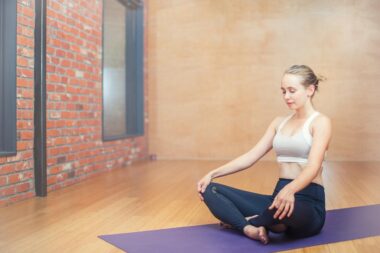
Yoga has emerged as an effective method for enhancing upper body flexibility, particularly during post-injury rehabilitation. Often praised for its holistic approach, yoga combines stretching movements, breathing techniques, and mindful relaxation, allowing individuals to reconnect with their bodies. Various poses focus on improving flexibility in the upper body while promoting balance and coordination. Classic poses such as downward-facing dog, cat-cow, and child’s pose can target the shoulders, spine, and chest. Practicing yoga encourages individuals to listen to their bodies, gradually easing into movements to prevent discomfort or potential injuries. When integrating yoga into rehabilitation, it is crucial to work with a knowledgeable instructor who can provide modifications and adapt poses for specific conditions. Regular practice can lead to increased flexibility over time while promoting enhanced mobility and functional strength. Moreover, the mental aspects of yoga—such as mindfulness and stress reduction—support overall recovery and well-being. Therefore, considering yoga as an integral part of the rehabilitation strategy facilitates not only physical healing but also encourages mental fortitude and emotional resilience during the journey.
Listening to the body remains a key principle during post-injury rehabilitation. Whether engaging in stretching, foam rolling, or yoga, individuals must be attentive to any sensations that arise. Understanding the difference between discomfort and pain is vital in determining a safe approach toward enhancing upper body flexibility. To that end, keeping a training diary can help track progress and identify any patterns or concerns. Maintaining open communication with physical therapists or trainers will ensure modifications can be made whenever necessary. Moreover, integrating rest and recovery days allows the body to adapt to the increasing challenges presented in rehabbing programs. Engaging in self-care practices, such as adequate hydration, nutrition, and quality sleep, will bolster overall recovery efforts. Each individual’s healing process is unique, so customization of the rehabilitation program is paramount. Following expert recommendations while remaining patient and persistent will result in greater long-term success during recovery. Ultimately, fostering a positive mindset alongside physical efforts aids comprehensive post-injury flexibility enhancement. Thus, resilience will lead individuals back to their active lives with enhanced flexibility and renewed confidence.
Conclusion and Progress Tracking
Tracking progress in upper body flexibility rehabilitation is essential for gauging effectiveness and motivation. Setting specific, measurable, achievable, relevant, and time-bound (SMART) goals allows individuals to monitor advancements and celebrate milestones. Various tools, such as flexibility assessments, can provide tangible metrics to display progress over time. Documenting range of motion improvements through photographs or journals can highlight gradual gains, adding visual reinforcement to the rehabilitation process. Moreover, establishing a support network with fellow patients or skilled healthcare professionals can further encourage commitment to flexibility programs. Periodic reassessments of flexibility routines ensure they remain relevant to the evolving needs of the individual’s body. Incorporating updates and challenges into flexibility exercises prevents plateauing and keeps individuals engaged throughout their recovery. Patience and dedication are integral during this journey, as progress may be gradual and not always linear. Creating celebrations for achievements, regardless of scale, boosts motivation and reinforces dedication to the end goal. In conclusion, the integration of diverse upper body flexibility strategies contributes significantly to successful post-injury recovery, emphasizing the importance of a personalized approach.
As flexibility in rehabilitation progresses, establishing a routine that promotes continuity becomes vital. Individuals should strive to incorporate the main components of flexibility, strengthening, and mobility into their daily schedule. By setting aside dedicated time each day to practice successfully developed skills, patients can further ensure they experience lasting results. Incorporating flexibility strategies into existing fitness practices may help reinforce their commitment to recovery. Whether it’s through individual sessions or group classes, sharing experiences with others going through similar processes fosters a sense of community, accountability, and motivation. Moreover, exploring various mobility modalities offers opportunities to innovate and adapt strategies that suit personal preferences. Ultimately, continuous exploration of new techniques will yield greater flexibility improvements during rehabilitation. Prioritizing upper body flexibility remains crucial in regaining functionality and mobility post-injury. By adhering to guided practices, maintaining realistic expectations, and building upon established foundations, individuals can unlock their full potential. Thus, the journey towards optimal flexibility in post-injury recovery becomes a fulfilling endeavor, culminating in a robust and resilient upper body, ready to face new challenges in life.