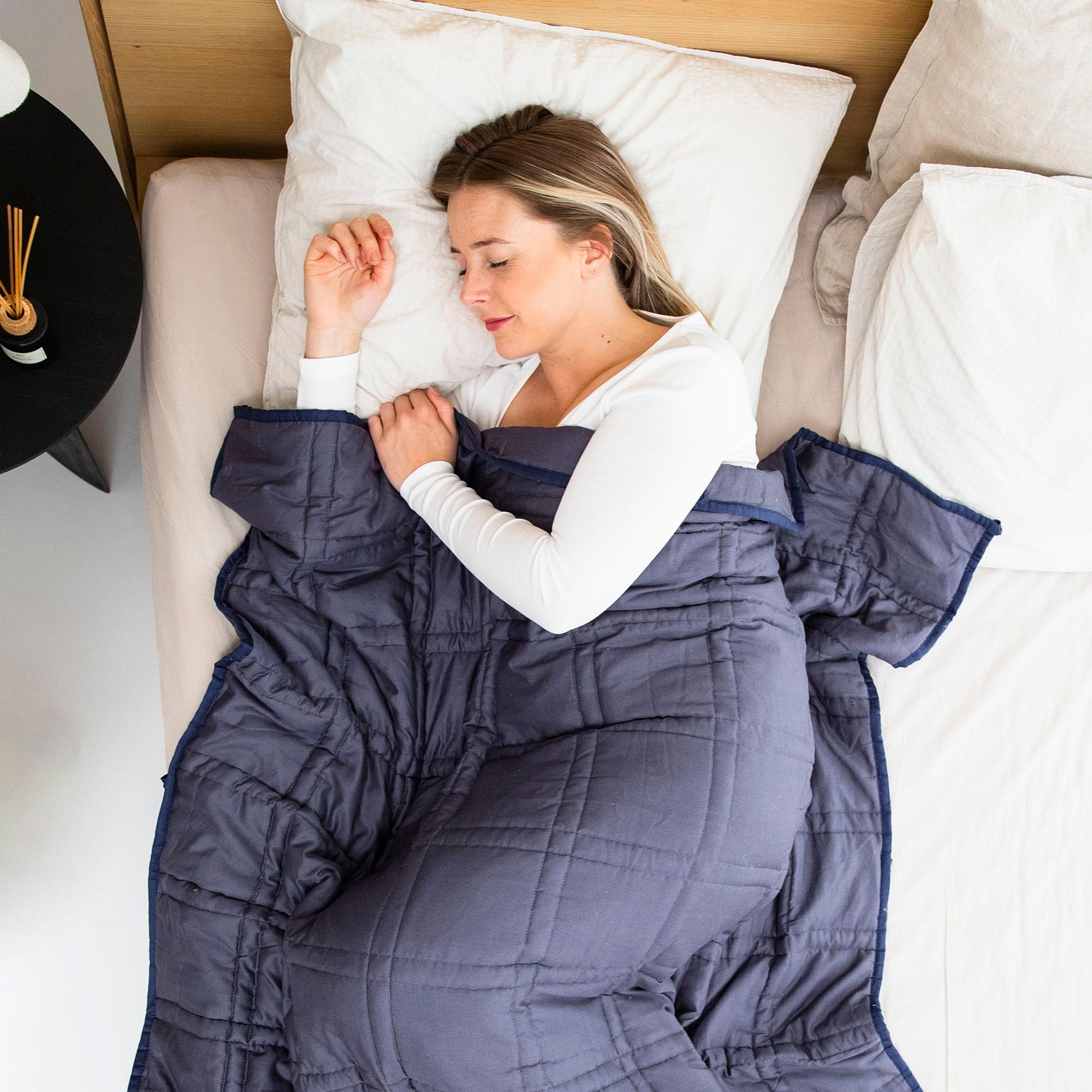

The Role of Sleep in Hormonal Regulation and Anxiety Closure in Fitness
Sleep plays a critical role in our overall wellbeing, significantly impacting both hormonal regulation and anxiety levels. For individuals engaged in fitness, quality sleep is essential for optimizing performance and recovery. Hormones such as cortisol and adrenaline are responsible for the stress response, influencing anxiety levels. When sleep is compromised, these hormone levels can become imbalanced, potentially leading to heightened anxiety. Chronic anxiety can hinder athletic performance, causing fatigue and decreased motivation.
Additionally, insufficient sleep can disrupt the production of essential hormones such as testosterone, which is vital for muscle repair and growth. During deep sleep, growth hormone is released, facilitating tissue growth and recovery from exercise. To foster hormonal balance and reduce anxiety, it’s essential to prioritize sleep duration and quality. Practices such as adopting a regular sleep schedule can help individuals achieve deeper sleep cycles. Engaging in relaxation techniques before bedtime can also enhance sleep quality, leading to better mood and reduced anxiety.
Effects of Sleep Deprivation on Fitness and Anxiety
Numerous studies indicate that sleep deprivation has detrimental effects on fitness performance and increases feelings of anxiety. An alarming connection exists between sleep quality and cognitive function, wherein poor sleep leads to impaired decision-making and concentration. Athletes experiencing sleepless nights often report increased levels of irritability and anxiety, which can affect training routines. The body’s ability to recover effectively is markedly compromised, leading to lower energy levels during workouts and increased risk of injuries.
Moreover, sleep deprivation can alter appetite-regulating hormones, often leading to weight gain or unhealthy eating habits. This, in turn, can exacerbate feelings of anxiety. To mitigate these effects, fitness enthusiasts must focus on establishing good sleep hygiene. Creating a calming environment, minimizing screen time before bed, and incorporating physical activity into daily routines can improve overall sleep quality. Engaging in consistent exercise can further promote better sleep patterns and enhance mood, contributing positively to anxiety management.
Sleep Hygiene Practices for Anxiety Relief
Establishing healthy sleep hygiene practices is essential for anyone, especially those dealing with anxiety. A dedicated nighttime routine can signal to the body that it’s time to wind down. Strategies to improve sleep hygiene include limiting caffeine intake after midday, maintaining a cool and dark sleeping environment, and using calming scents like lavender to promote relaxation. Also, avoiding heavy meals before bedtime can increase comfort and overall sleep quality.
Physical activity during the day can also facilitate better sleep quality. Exercise helps reduce anxiety levels while preparing the body for restful sleep as it increases the duration of deep sleep phases. Meditation and mindfulness practices are recommended to calm racing thoughts before bed. Journaling prior to sleep can help capture worries, allowing for mental clarity. By incorporating these techniques into a nightly regimen, individuals can significantly enhance their sleep quality, leading to reduced anxiety and improved fitness outcomes.
Conclusion: Prioritizing Sleep for Optimal Performance
In summary, prioritizing quality sleep is crucial for both hormonal regulation and anxiety management in athletes. Balancing sleep with training is essential for enhancing physical performance and recovery. A strong connection exists between adequate sleep, hormonal health, and mental wellbeing, especially regarding anxiety relief. Therefore, individuals engaged in fitness should recognize the profound impact that sleep has on overall health.
To harness the benefits of quality sleep, incorporating effective sleep strategies into daily routines is vital. Small changes, such as maintaining a consistent bedtime or creating a calming bedroom atmosphere, can make significant improvements. Remember, sleep is not merely a period of rest; it’s an essential component of a holistic fitness approach that yields better performance and decreased anxiety levels. Investing time in sleep is just as important as dedicated exercise and nutrition efforts.