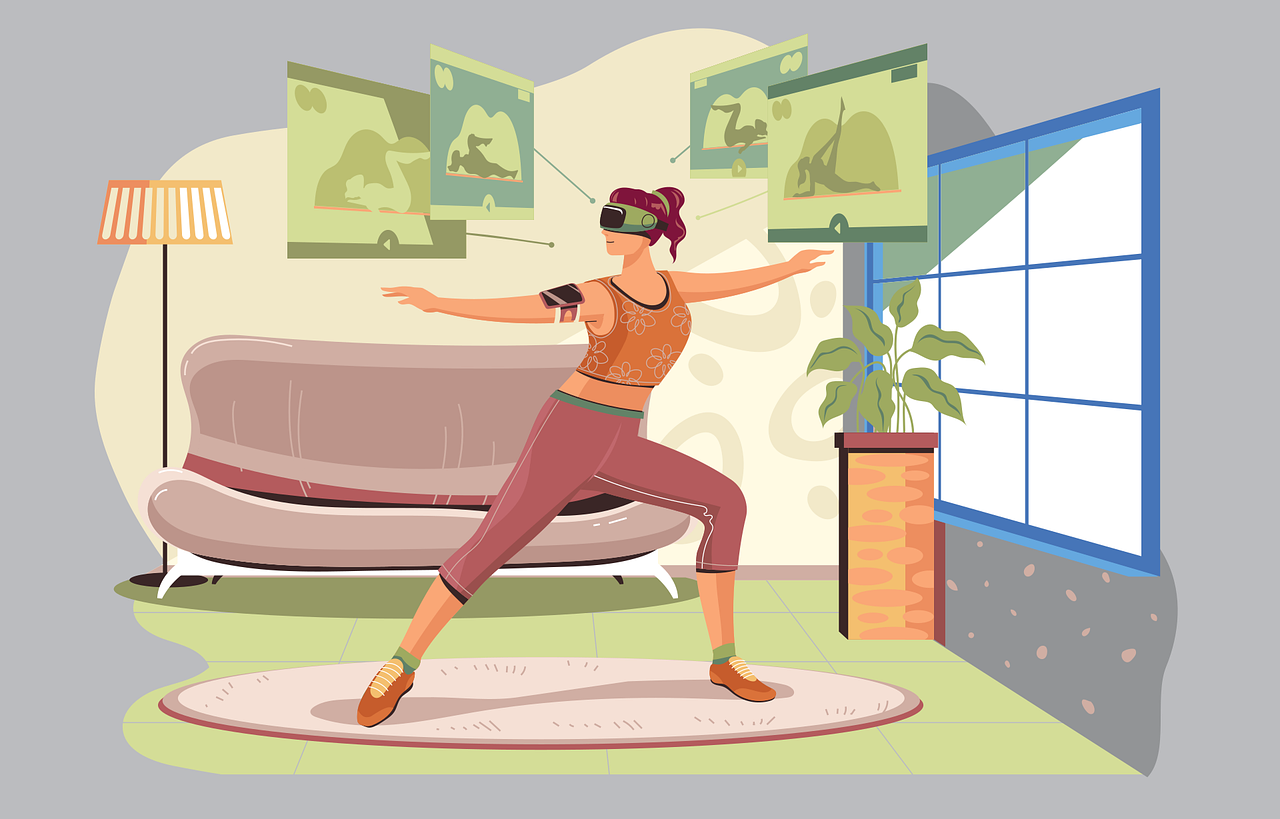

Integrating Technology into Group Balance and Coordination Classes
The integration of technology into group balance and coordination classes is an exciting approach that leverages modern advancements to enhance physical performance. Digital tools can provide real-time feedback, tailor exercises to individual needs, and promote greater engagement among participants. For example, wearable devices, such as smartwatches or fitness trackers, offer insights into participants’ movement patterns and stability. These devices can monitor heart rates, track steps, and provide metrics essential for improving balance. Additionally, utilizing apps designed for balance training can create a more interactive learning experience. This technology not only helps individuals measure their progress but also introduces an element of digital gamification to the classes. Instructors can utilize data collected by technology to tailor their teaching methods, ensuring that each participant receives targeted attention. Moreover, educational videos and tutorials can supplement group activities, providing participants with strategies to enhance their balance at home, fostering motivation and commitment. By embracing technology, balance and coordination classes can become more effective, engaging, and personalized, catering to the unique needs of every participant.
Traditional methods of teaching balance and coordination often relied heavily on physical demonstrations and verbal instructions. However, in the digital age, this approach is evolving to include technology-driven strategies that enhance learning experiences. Group classes that utilize interactive technology can provide immersive environments, where participants engage not only with instructors but also with digital platforms. Features such as augmented reality (AR) can simulate various balancing scenarios that participants might encounter in real life. This can lead to improved spatial awareness and enhanced muscle memory. Furthermore, video analysis can offer visual feedback, allowing students to see their own movements and identify areas needing improvement. This constructive critique fosters a proactive mindset in participants, encouraging them to take ownership of their balance training. Instructors can use apps that illustrate progress tracking over specific periods, encouraging participants to set and achieve goals collaboratively. As technology becomes more accessible, there are significant opportunities for innovation within balance training programs. This shift from conventional methods opens new avenues to educate participants on effective balance and coordination practices.
Benefits of Using Technology in Training
There are several benefits associated with integrating technology into group balance training classes. One key advantage is the improvement in motivation levels among participants. When technology is introduced, such as interactive software that tracks progress or gamifies exercises, it often leads to increased enthusiasm. Moreover, participants can enjoy friendly competition through leaderboards that showcase achievements in a group setting. This social aspect fosters a sense of community and accountability, encouraging individuals to work harder. Data collected from wearable devices can help participants set personalized goals tailored to their current skill levels, creating a more significant impact on their overall performance. Additionally, technological advancements improve safety within classes. Personalized monitoring can help instructors identify individuals who might be at risk of falling, allowing for immediate intervention. This proactive approach not only enhances safety but also builds trust between instructors and participants. With evidence-based analytics made available through technology, participants can develop targeted training programs that address personal weaknesses, therefore maximizing their progress and enhancing their skills as they learn.
As balance training evolves with technology, instructors must receive proper training to leverage these digital tools effectively. This requires continuous education and professional development to stay current with emerging technologies and innovations in fitness. Instructors should focus on gaining proficiency in utilizing various tools, such as apps, fitness trackers, and AR platforms, to create engaging and effective class structures. Well-trained instructors can provide personalized support, ensuring that participants feel comfortable integrating technology into their routines. Moreover, instructor-led demonstrations using these technological tools can motivate and inspire participants, helping them get over any apprehensions about new technologies. Emphasizing the importance of adapting to technological advancements ensures instructors take full advantage of what they can offer in terms of resources for balance and coordination training. Peer collaborations between instructors allow knowledge sharing about effective methods and technologies, promoting widespread understanding and helping to refine teaching strategies. Continuous improvement in teaching standards benefits everyone involved and helps skyrocket the quality of group balance classes in the long run.
Challenges and Considerations
While technology enhances balance training classes, some challenges must be addressed for maximum effectiveness. Firstly, accessibility is a concern; not all participants may own or feel comfortable using advanced technological devices. Therefore, instructors should strive for inclusivity and ensure that lessons remain beneficial to everyone, regardless of their technological proficiency. Budget constraints may also limit the availability of high-quality technology, making it difficult for some organizations to implement innovative practices. Additionally, technological malfunctions can deter progress, potentially leading to frustration among participants. It is essential to have backup plans in place so that classes can continue smoothly even when technology fails. Moreover, instructors must ensure that technology does not replace human interaction and support, which are critical components of effective teaching. Balancing technology with traditional instructional methods enhances engagement without undermining the motivational capacity of face-to-face interactions. Lastly, maintaining participant privacy becomes a critical factor when using technology that tracks personal data, ensuring that ethical practices are adhered to throughout the training process.
To successfully implement technology in group balance and coordination classes, it is crucial to establish clear goals and objectives. Identifying specific outcomes tied to the use of technology is essential to provide direction for both instructors and participants. For instance, focusing on improving specific physical abilities such as balance or coordination will help tailor the technology’s use toward those goals. Setting measurable objectives allows participants to track their progress and engage more effectively in their training. Furthermore, creating a supportive environment where participants feel comfortable experimenting with technology can lead to new discoveries throughout the training process. Instructors should encourage questions and discussions about the technology used in classes, allowing participants to express their thoughts and concerns, fostering a collaborative atmosphere. When creating policies for using technology in classes, ensuring open communication and feedback systems are in place promotes trust. Transparency helps participants understand the value and benefits technologies bring to their routines and motivates them to participate fully. Ultimately, prioritizing clear communication and guidance leads to a successful integration of technology into balance and coordination training.
Conclusion and Future of Technology in Balance Training
The future of balance and coordination training promises innovative developments as technology continues to evolve. It offers exciting possibilities to improve participant performance while making training more enjoyable and accessible. As instructors become more adept with technology, the quality of group classes rises, thus benefiting participants on multiple levels. Future innovations may include next-gen wearable devices that provide more accurate data or enhanced virtual reality experiences that simulate challenging balance scenarios. As research continues to explore the impact of technology on physical activity, new methods of engagement will emerge, ensuring that balance training remains dynamic and enjoyable. Moreover, social media platforms may play a significant role in building community support among participants. By sharing experiences and achievements through these mediums, motivation can spread rapidly, creating a larger collective of individuals committed to improving their balance. Considering these developments, it is essential for instructors to remain informed about industry trends and technological advancements. Adapting quickly to these changes can position balance classes as vital components of modern fitness that focus on holistic improvement, meeting the ever-changing demands of participants.
Ultimately, the combination of technology and traditional methods creates an enriched learning environment for all participants involved in balance and coordination classes. By embracing new methodologies, instructors can guide participants toward improved physical and mental well-being. As technology continues to foster connectivity and innovation in training techniques, the emphasis should still remain on personal interaction and community support. Striking this balance ensures that individuals feel secure and inspired to reach their goals. Therefore, it is vital for both participants and instructors to engage actively with each other, sharing insights, feedback, and experiences to enhance their collective journeys. Incorporating technology will not replace human interactions; rather, it will elevate the experience of group classes to align with the preferences of modern learners. Thus, the future looks promising for those who engage in balance and coordination training as it evolves alongside advances in technology. Optimally, future practices will empower individuals through personalized training, resulting in lasting physical improvements and deeper connections within the community. The journey is about progress and personal achievements, making group balance classes a pivotal part of the wellness landscape.