
Hydration Monitoring During Recovery Periods
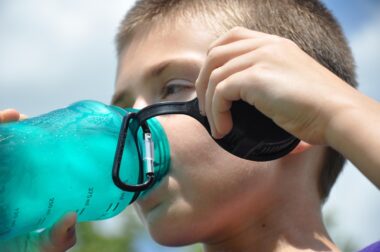
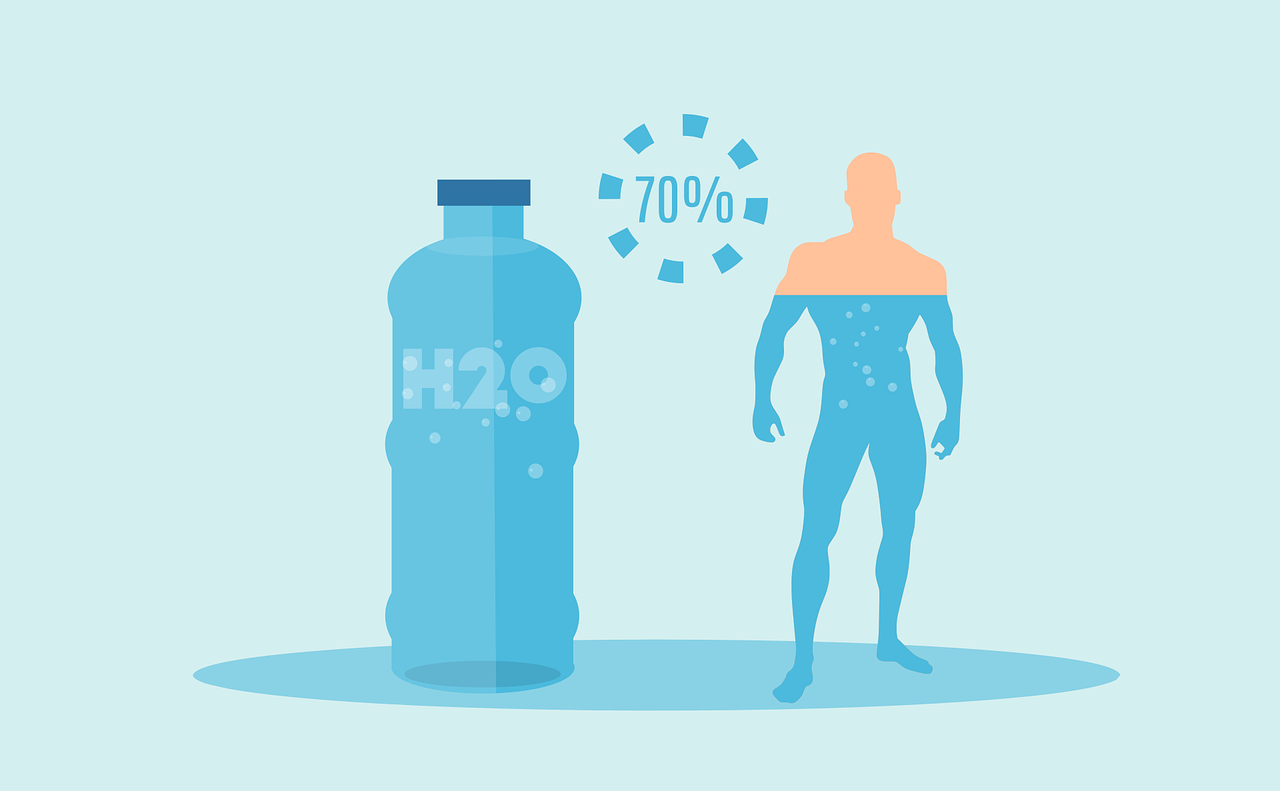
Hydration monitoring is crucial during recovery as it supports optimal physiological functioning. Athletes, in particular, need to maintain adequate hydration levels post-exercise to facilitate recovery. The body’s recovery processes can be significantly hindered if hydration status is not regularly checked and adjusted. This is because dehydration can slow down recovery by affecting nutrient transport, energy levels, and muscular repair. Consistently monitoring hydration allows individuals to recognize their needs efficiently, ensuring optimal performance and well-being. There are various methods to assess hydration, including monitoring urine color, body weight, and thirst levels. Moreover, technology has enhanced hydration tracking through apps and smart devices, making it easier than ever for individuals to keep tabs on their hydration status. A practical approach involves integrating hydration assessments into regular training regimens, allowing for better planning and preparedness. By establishing a routine that includes hydration monitoring, athletes promote not only recovery but sustained performance in future activities. Ultimately, recovery is a critical component of any training program, and maintaining hydration adequately is key to effective recovery strategies that lead to improved overall performance and health.
Another important aspect of hydration during recovery is the timing of fluid intake. Post-exercise, the body is in a state of recovery that demands a careful strategy for rehydration. Consuming fluids should ideally commence immediately after completing a workout session. This initial hydration goal should focus on restoring fluid losses incurred during exercise. Furthermore, incorporating electrolyte-rich beverages can be beneficial, particularly after strenuous workouts, as they replenish essential minerals lost through sweat. Rehydrating effectively involves understanding one’s unique sweat rate and bodily needs; thus, personalized hydration strategies become vital. For instance, those with higher sweat rates may require more fluid intake and can benefit from systematic hydration practices. A balanced approach might include water, sports drinks, and other hydrating sources such as fruits or soups. Additionally, understanding individualized hydration needs enhances the hydration monitoring approach and tailors recovery strategies to maintain optimal performance levels. Rehydration is not just about quenching thirst; it is a comprehensive strategy designed to ensure that the body fully recovers from strenuous activity. By prioritizing hydration during recovery, individuals can maximize the benefits of their training regimen.
Methods of Hydration Assessment
Effective hydration monitoring relies on various methods that can provide accurate insights into the body’s hydration status. Popular techniques include assessing urine color as a quick reference point, where clear or light yellow urine signals adequate hydration. Visual cues, while simple, offer immediate feedback on hydration but should be complemented with more precise methods for accuracy. Body weight monitoring is another essential strategy during recovery periods. Tracking changes in pre- and post-exercise weight helps to quantify fluid loss and inform effective rehydration needs. Advanced methods involve using handheld devices that estimate hydration levels based on electrical conductivity in tissues. Additionally, more sophisticated laboratory tests can measure plasma osmolality, offering precise hydration evaluations but may not be practical for everyday use. Technological innovations, especially mobile applications, promote real-time hydration tracking, making it easier for individuals to visualize their hydration habits. These technological tools assess hydration levels against established guidelines, enhancing user engagement with hydration strategies. Ultimately, a combination of methods yields a comprehensive overview, enhancing the effectiveness of hydration monitoring for optimal recovery.
Another beneficial aspect of hydration monitoring involves the role of education and awareness. It is essential for individuals to understand how hydration affects their recovery and overall health outcomes. Workshops, seminars, and online resources can disseminate hydration knowledge effectively. Knowledge aids in demystifying hydration strategies, equipping athletes with the necessary tools for self-management. When individuals understand the importance of hydration, they are more likely to prioritize fluid intake and recovery practices. Additionally, hydration education cultivates responsible athletes who listen to their bodies and respond accordingly. Pairing hydration education with practical assessments enhances learning; thus, feedback should be immediate. Simple handouts or digital resources presenting hydration guidelines can reinforce classroom learning, prompting better regular hydration practices. While modern technology serves to monitor hydration, the integration of educational efforts ensures that individuals are proactive in their hydration approaches. Ultimately, informed individuals are better equipped to handle their recovery strategies, maximizing fluid intake efficiency and ensuring all hydration goals are met. Thus, the hydration monitoring process is not only technical but also relies on educational strategies for lasting behavioral changes.
Benefits of Hydration Monitoring
Implementing a thorough hydration monitoring routine leads to numerous benefits supporting athletic recovery and performance. First, ensuring proper hydration can significantly reduce recovery time, as fluids assist in the elimination of metabolic waste products accumulated during intensive exercise. Additionally, improved hydration enhances nutrient absorption, optimizing muscle repair and energy restoration processes essential for recovery. When hydration is prioritized, athletes often report better mental clarity and focus, contributing positively to their overall training engagement. This heightened level of performance can be attributed to adequate hydration levels supporting cardiovascular health, especially during intense workouts when endurance is key. Furthermore, hydration monitoring fosters a structured routine, encouraging disciplined habits that extend beyond training sessions, influencing overall daily hydration practices. Such routines support better long-term health, reducing the risks of dehydration-related complications that could arise from heavy training. Implementing hydration strategies and monitoring improves not only recovery efficiency but helps maximize training gains, translating to enhanced athletic performance. Therefore, maintaining a heightened awareness of hydration needs continuously translates into improved outcomes, both in short and long term for athletes committed to their training.
Integrating hydration monitoring with personalized nutrition plans amplifies recovery strategies’ overall effectiveness. Each athlete has unique hydration requirements that correlate with individual body composition, sweat rates, and training intensity, necessitating customized hydration plans. Nutritionists can help athletes create hydration protocols tailored to their specific needs, improving their recovery processes and promoting optimal performance. This personalized approach enables an athlete to identify their hydration baseline and adjust their fluid intake accordingly, enhancing their hydration status. Furthermore, personalized hydration plans can include tailored electrolyte supplementation, ensuring athletes replenish specific minerals lost during training, further assisting in the recovery process. Combining hydration strategies with nutrition can also promote timely consumption of recovery beverages that aid muscle repair. As athletes learn to adapt their hydration plans to their unique needs, they gain significant insights into maintaining optimal hydration. This process extends beyond simply drinking fluids; it involves a balanced perspective on nutrition and recovery. The synergy between hydration monitoring and personalized nutrition supports effective recovery strategies that encourage peak performance while preventing performance-related declines after workouts.
Conclusion
In conclusion, hydration monitoring is a fundamental aspect of effective recovery strategies in athletic training. By using various assessment methods, individuals can gain critical insights into their hydration status and make necessary adjustments to ensure optimal recovery. Understanding the numerous benefits that hydration brings lays the groundwork for prioritizing hydration throughout the recovery process. Additionally, incorporating education and awareness into hydration practices empowers athletes to take ownership of their hydration needs. Tailoring hydration strategies emphasizes a comprehensive understanding of individual hydration requirements, enhancing the overall approach to recovery. Ultimately, successful hydration monitoring leads to improved performance outcomes, as athletes are better prepared with adequate fluid levels post-exercise. Awareness of hydration stimulates better habits and behaviors relating to fluid intake, thus fostering a culture of health and performance improvement within sports communities. Equally, it emphasizes that hydration should never be an afterthought but a critical component of recovery plans. Therefore, regularly monitoring hydration status can transform how athletes approach their recovery routines, making each training session more effective and ultimately contributing to long-term success in achieving their athletic goals.
To sum it up, integrating hydration strategies within recovery protocols is vital for athletes aiming for peak performance. Realistically assessing hydration status encourages healthier practices while fostering a better understanding of hydration’s impact on overall health. The multifaceted approach toward hydration monitoring can significantly influence recovery periods, emphasizing the importance of both quantitative and qualitative assessments. With the continuous advancements in hydration technology, athletes have unprecedented opportunities to monitor their hydration status efficiently. As such, the future of hydration monitoring looks promising, emphasizing the necessity for up-to-date methods that support athletes in their endeavors. Consistent hydration monitoring can potentially serve as a cornerstone in creating holistic training programs aimed at supporting the diverse needs of athletes. Acknowledging the significance of hydration within the context of recovery paves the way for improved overall athletic performance and enjoyment. Adopting comprehensive hydration strategies reinforces the understanding that success in athletic pursuits requires a dedicated focus on hydration management. Therefore, continued exploration and adaptation of hydration strategies will be necessary as sports science evolves, aimed at enhancing the effectiveness and delivery of hydration support in recovery.