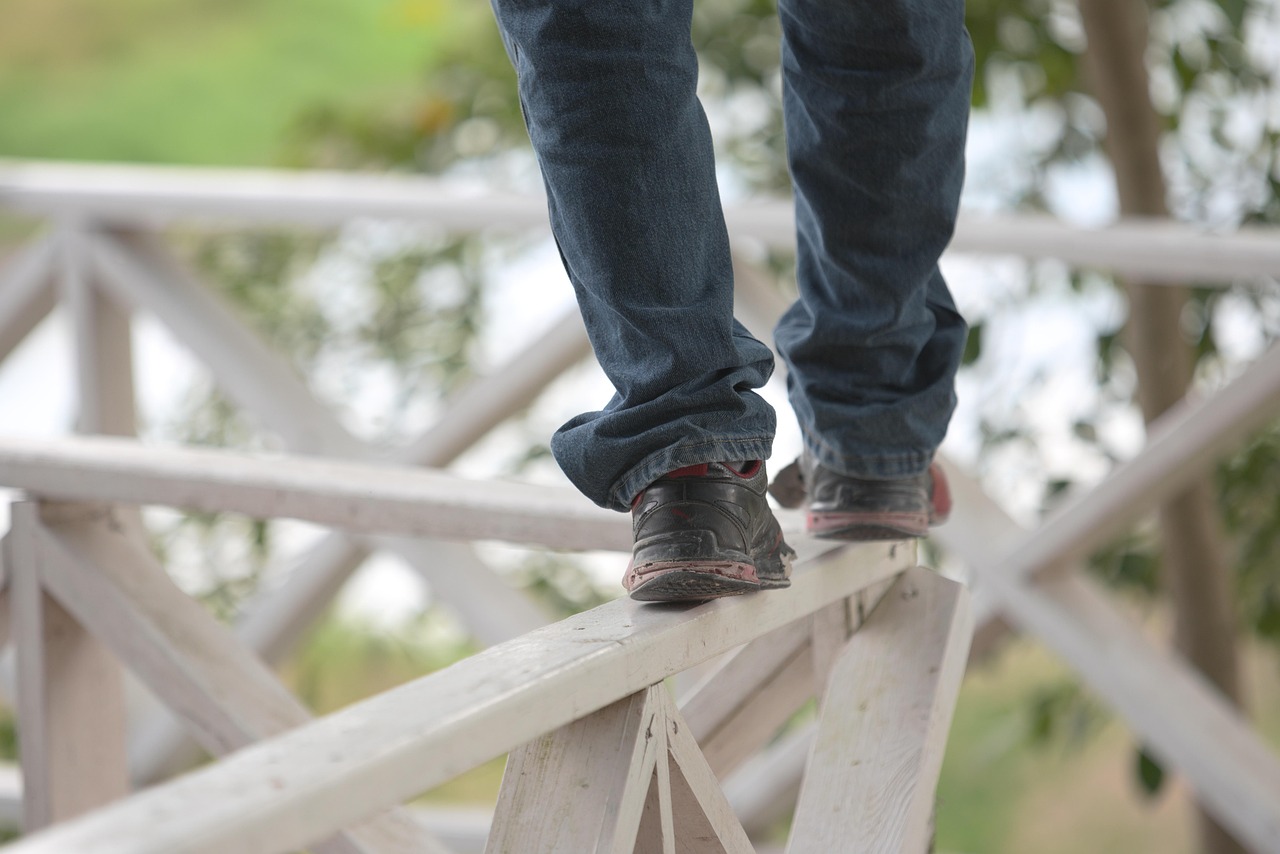

Tracking Progress: Measuring Improvements in Balance and Coordination
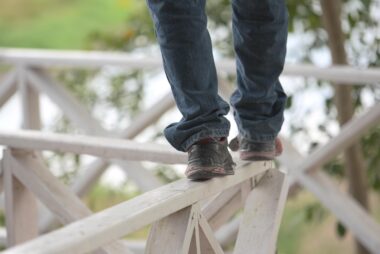
Parkour and freerunning enthusiasts can benefit significantly from balance and coordination drills. These elements are crucial for navigating obstacles efficiently and safely. To track progress in these areas effectively, it’s essential to set clear, measurable goals. This can include improvements in hold durations on balance beams or accuracy in landing on targets. Establishing a baseline is the first step; recording initial performance provides a reference for future assessments. Using consistent methods for evaluation ensures reliability over time. Consider utilizing both qualitative and quantitative feedback. Videos can capture not just successes but also areas needing attention. Documenting the number of repetitions achieved helps gauge improvement quantitatively. Another tool involves keeping a journal detailing daily workouts and feelings during each session. This log can reveal patterns that may not be immediately obvious. Furthermore, investing in technology like apps or wearable devices can enhance tracking. Advanced metrics such as heart rate variability can indicate stress levels impacting performance. Thus, a comprehensive approach involves both subjective experiences and objective data. By combining various methods, practitioners can create a clear picture of their journey in mastering balance and coordination.
Another critical aspect of tracking improvements is the implementation of feedback loops. It essentially means reviewing your performance regularly, assessing what works, and modifying your training accordingly. Engaging with a coach or experienced peer can provide valuable insights. Having someone with expertise enables more precise evaluations of your technique. They can point out flaws that you may not intuitively notice. Recording each training session provides material to review with the coach, creating opportunities to enhance skills. One effective strategy is to film various drills and analyze the footage critically. This process allows individuals to see their progress over time visually. Additionally, joining a community or participating in group sessions can foster accountability. Social environments encourage shared experiences and diverse viewpoints on progress. Workshops or camps focusing on balance can provide both expertise and rigorous assessments. Furthermore, celebrating small victories is vital for motivation. Acknowledging improvements, no matter how minor, can drive enthusiasm to continue pushing limits. Whether it’s achieving a new personal best or maintaining balance without support for longer durations, every milestone counts. This psychological aspect of training should never be underestimated as it reinforces commitment to the process.
Integrating New Techniques into Drills
As one progresses, integrating new techniques into existing drills broadens skill sets. This method not only keeps training fresh but also provides new challenges. For instance, adding dynamic movements like jumps or spins can enhance balance requirements. Monitoring improvements in these areas becomes essential. Keeping track of how well one adapts to new elements provides insight into whether the foundation is solid. Drills can be adjusted to increase difficulty gradually. For example, transitioning from static holds to moving while balancing can be a potent exercise. Establish in and out patterns where you shift between two types of balance drills. Progressing through various balance types helps in honing coordination skills. Utilizing different surfaces adds another layer of challenge; training on uneven terrain enhances proprioception. Practicing on surfaces like slacklines or beams turns balance drills into thrilling experiences. Consistency remains key, and diversity in training promotes better overall performance. Furthermore, reviewing your performance on these variations reinforces confidence levels. As practitioners adapt to the increasing challenge, the impact on overall parkour and freerunning abilities becomes evident. This evolution accelerates learning and stress adaptation across various environments.
Evaluating progress in balance and coordination drills also significantly benefits from recording personal health metrics. Beyond physical execution, understanding the body’s response to rigorous training reveals much about overall balance capabilities. Metrics such as muscle soreness, recovery time, and energy levels offer insights into how training impacts one’s cohesion and agility. Implementing rest days strategically enables more efficient recovery and performance. Tracking these health indicators helps facilitate a holistic view of an athlete’s progression. Diabetes or cardiovascular health can influence overall balance ability, necessitating close monitoring. Therefore, creating a balance schedule includes both rigorous training sessions and proper rest periods. Moreover, seeking professional health advice can inform drills tailored to an individual’s specific needs. Nutrition also plays a crucial role; a well-balanced diet contributes to maintaining energy levels, endurance, and overall performance. Especially important is hydration, which often gets overlooked yet remains vital for all physical activities. Using performance supplements properly can boost recovery and energy, enabling top-tier readiness for training sessions. Thus, keeping tabs on health metrics allows for more educated training decisions and opens avenues for improvement. Balance becomes less of a challenge when the body functions optimally.
Community Involvement and Support
Community involvement profoundly influences progress tracking in balance and coordination drills. Finding a community of enthusiasts allows for shared experiences, ideas, and techniques. Communities often organize local meets or training sessions, creating supportive environments that foster growth. Online forums also serve as platforms demonstrating various techniques or challenges that can be tackled. Engaging in friendly competitions often culminates in sharper skills, as peers motivate each other to excel. Sharing personal challenges with others can create accountability, making it easier to stay on track with goals. Some practitioners create joint resources like blog posts or instructional videos, which can be beneficial for all involved. This not only reinforces one’s knowledge but also spreads valuable information throughout the community. Inviting community members to join or lead specific drills helps introduce new perspectives. Teaching others solidifies one’s understanding as well; articulating techniques boosts retention. Engaging in discussions about progress and setbacks encourages deep reflection while accessing resources to overcome challenges. Every conversation can ignite new ideas, directing focus toward improvement. Thus, leveraging community support provides both encouragement and diverse methodologies in mastering balance and coordination skills.
Utilizing technology for tracking progress has revolutionized how practitioners approach balance and coordination drills. Wearable devices like smartwatches can closely monitor heart rates during workouts and level exertion in real time. Such data provides vital information, enabling individuals to adjust intensity levels accordingly. Mobile applications designed for fitness tracking allow users to log their achievements intuitively. Some apps even feature interactive elements, creating engaging goals and challenges. Setting specific milestones fosters an environment where tracking becomes motivating rather than monotonous. Analyzing historical training data reveals trends over time, allowing for long-term assessments of how skills improve. Data visualization tools can help in understanding which areas require more focus. Social media platforms can facilitate sharing results, creating friendly competition to encourage personal bests. Virtual training options enhance engagement and foster connections with trainers around the globe. Using virtual reality training aids can mimic complex parkour scenarios, enhancing balance under different situations. Thereby, tech integration greatly expands training and assessment tools accessible to practitioners, thus sharpening their skills effectively. These elements of progress tracking revolutionize personal training paradigms, prompting discussions on balance and coordination. Embracing technological advancements enriches the entire training experience.
Final Thoughts on Balance and Coordination Improvement
In conclusion, tracking balance and coordination progress within parkour and freerunning parallels the broader journey of improvement. Setting clear goals, engaging with communities, and incorporating technology all provide different dimensions to observe growth. Evaluating personal health also plays an essential role, and a holistic focus should never be neglected. Techniques must evolve and regularly challenge abilities to ensure a robust foundation. As one gains skills, so does their understanding of limitations and capabilities. These insights can translate into larger achievements in freerunning and parkour. Celebrate small victories; they become stepping stones for overcoming obstacles—both literally and metaphorically. Further, involving others in your journey amplifies enjoyment and accountability, creating a rich learning environment. Sharing progress, strategies, and setbacks becomes part of the experience. Ultimately, greatness requires nuanced levels of patience; it’s vital to recognize that improvements may not always be linear. Embracing this can maintain motivation throughout one’s journey. Fostering a mindset attuned to adaptation can lead to breaking barriers and achieving new heights. Balance and coordination become not just skills but essential parts of a freerunning lifestyle, making the adventure continuously engaging.