
Preparing Motors for Wet and Muddy OCR Conditions
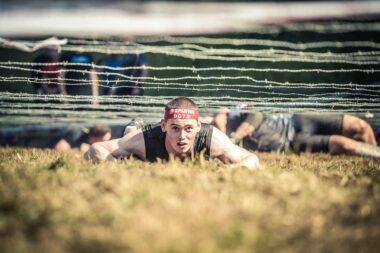
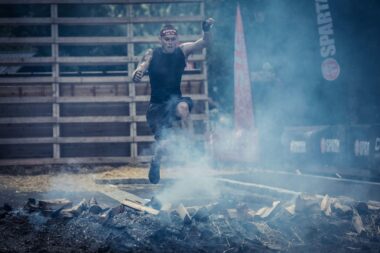
Obstacle Course Racing (OCR) presents unique challenges, especially in wet and muddy conditions that can severely impact performance. For participants, understanding how to prepare motors for such environments is essential. Wet conditions can lead to slippage and decrease traction, which directly affects speed and efficiency. To combat these effects, racers often turn to specialized motors and energy gels designed specifically for the rigors of OCR. Choosing the right motor is key; one that offers durability and reliable performance while minimizing the risk of mechanical failure due to moisture. Furthermore, energy gels should be easy to digest, allowing racers to maintain energy levels without experiencing stomach distress. With the right preparation, competitors can enhance their performance, navigate obstacles effectively, and ultimately achieve their racing goals. This preparation involves not just the equipment but also strategies for timing energy gel intake to coincide with physical exertion. Understanding the intersection of motors and nutrition can provide a decisive advantage in overcoming the challenges posed by wet, muddy terrain.
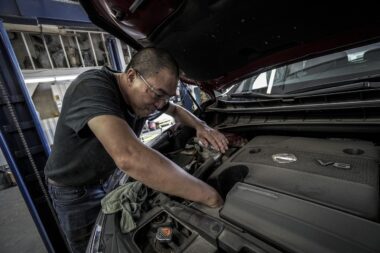
Motors specifically designed for OCR must possess certain characteristics to perform well in challenging environments. Such motors should be waterproof or at least water-resistant to prevent damage. Additionally, these motors must be lightweight yet powerful enough to handle various obstacles, including steep hills and muddy puddles. One option is to choose motors built with sealed components that can withstand submersion. Another key factor is the choice of tire tread which significantly impacts grip on wet surfaces. Treads that feature deeper grooves will aid in channeling water away, thus improving traction. Additionally, racers can benefit from investing in motors that provide adjustable settings, allowing them to customize speed and torque based on the obstacles they anticipate. To top it all off, regularly maintaining motors ensures longevity and efficiency. Rigorous cleaning after each event can remove mud and debris that may jeopardize performance. Ultimately, selecting the right motors, maintaining them properly, and understanding their features can significantly enhance a participant’s ability to navigate wet and muddy courses with success.
Energy Gels: A Key Component
When racing in wet or muddy conditions, energy gels become a crucial element of a racer’s nutritional strategy. Proper energy management is essential to maintain peak performance throughout the course. Energy gels offer high carbohydrate content, providing an immediate energy boost that is easily digestible. In the context of OCR, choosing gels that come in convenient, single-serving packets is beneficial, as they reduce the risk of spills in slippery conditions. Furthermore, racers must consider gel texture: opting for thinner gels can enhance absorption during physical exertion, while thicker ones may slow digestion. It’s also wise to test different flavors and sources of energy well before the race day. This practice allows for familiarizing oneself with personal preferences – a vital step since choices may vary based on individual responses to specific ingredients. Additionally, hydration should be balanced when consuming gels, as water helps with absorption and reduces potential stomach upset. Incorporating these strategies will ensure that energy gels complement the motors and the overall race strategy, helping participants conquer wet and muddy terrain.
Pre-race preparation extends beyond just selecting the right motors and energy gels; it includes the physical preparation of the racers themselves. Engaging in regular training is crucial for improving strength and endurance, essential traits for tackling obstacles during a race. Specific drills, such as running on slippery surfaces or navigating through muddy terrains, can yield significant benefits. This type of training helps racers become familiar with the movements required under challenging conditions, allowing for better reaction times and decision-making during competitive events. Additionally, flexibility training can safeguard against injuries sustained from slips and falls caused by poor traction. Nutritionally, focusing on a balanced diet rich in carbohydrates and protein will provide the necessary energy reserves for this physically intensive sport. Team seminars can also be invaluable, enabling racers to discuss strategies and share tips based on past experiences. Making use of all these insights and physically challenging oneself builds resilience, ultimately allowing participants to overcome various obstacles with confidence as they approach race day.
Importance of Recovery
The end of an OCR event does not mark the conclusion of the racing journey; recovery is equally vital. After enduring the fatigue of wet and muddy racing conditions, racers must prioritize recovery to ensure optimal future performance. This process includes rehydration and replenishing lost nutrition through quality post-race meals or recovery gels. Muscle soreness and fatigue often occur as a result of strenuous racing; thus, practices such as foam rolling and stretching should be incorporated into recovery. These activities help in alleviating tension, reducing soreness, and promoting overall flexibility. Furthermore, rest is crucial — both physical and mental fatigue can impair subsequent performances. It’s also beneficial to have a dedicated recovery plan, which can involve a combination of light activity and structured rest days, aiding in muscle rebuilding. Implementing recovery strategies significantly improves future race readiness, helping avoid injuries fueled by overexertion. Engaging with community support can also be motivating and enhance recovery; sharing experiences and learning from others fosters a sense of camaraderie and growth within the OCR community.
Ultimately, the convergence of motors, energy gels, training, and recovery defines a successful strategy for OCR enthusiasts tackling wet and muddy conditions. Continuous advancements in motor technology can amplify performance, while the evolution of energy gels remains pivotal in sustaining energy levels throughout. As OCR events continue to grow in popularity, understanding components such as nutrition and equipment will heighten a racer’s ability to adapt and flourish. Additionally, partaking in workshops or coaching can further enhance skills, combining technical knowledge with practical experience. Participants should remain open to experimenting with different combinations of motors and gels during training, enabling them to identify their ideal setup. This ongoing learning process is vital; adaptable racers are often the ones who excel despite unpredictable conditions on race day. Moreover, maintaining community connections fosters knowledge sharing among participants, which can lead to innovative strategies and improved performance. Each racing scenario presents a unique set of obstacles that require precise preparation and execution. By diligently focusing on these parameters, OCR racers can navigate even the most challenging courses with unparalleled confidence.
Conclusion
In conclusion, preparing for wet and muddy OCR conditions entails meticulous consideration of motors and energy gels. Each component impacts overall performance and dictates a racer’s ability to successfully navigate diverse challenges on race day. As the sport evolves, emerging products will continue to influence strategies, offering new avenues for improvement. Regular training, proactive recovery practices, and staying well-informed about technical advancements will shape successful OCR experiences. Racers should engage in knowledge-sharing practices within the community to foster support and motivation during training. Emphasizing the balance between physical preparation and equipment reliability ensures that competitors can manage unexpected hurdles. The importance of water-resistant motors and suitable energy gels cannot be overstated; together, they form the foundation of an effective race strategy. For those looking to excel, combining personal insights with shared experiences can lead to significant performance gains over time. Most importantly, embracing the journey fosters resilience and a sense of accomplishment that arises from overcoming adversity. OCR enthusiasts armed with knowledge and preparedness stand the best chance of surfacing victorious in challenging, wet, and muddy terrains.