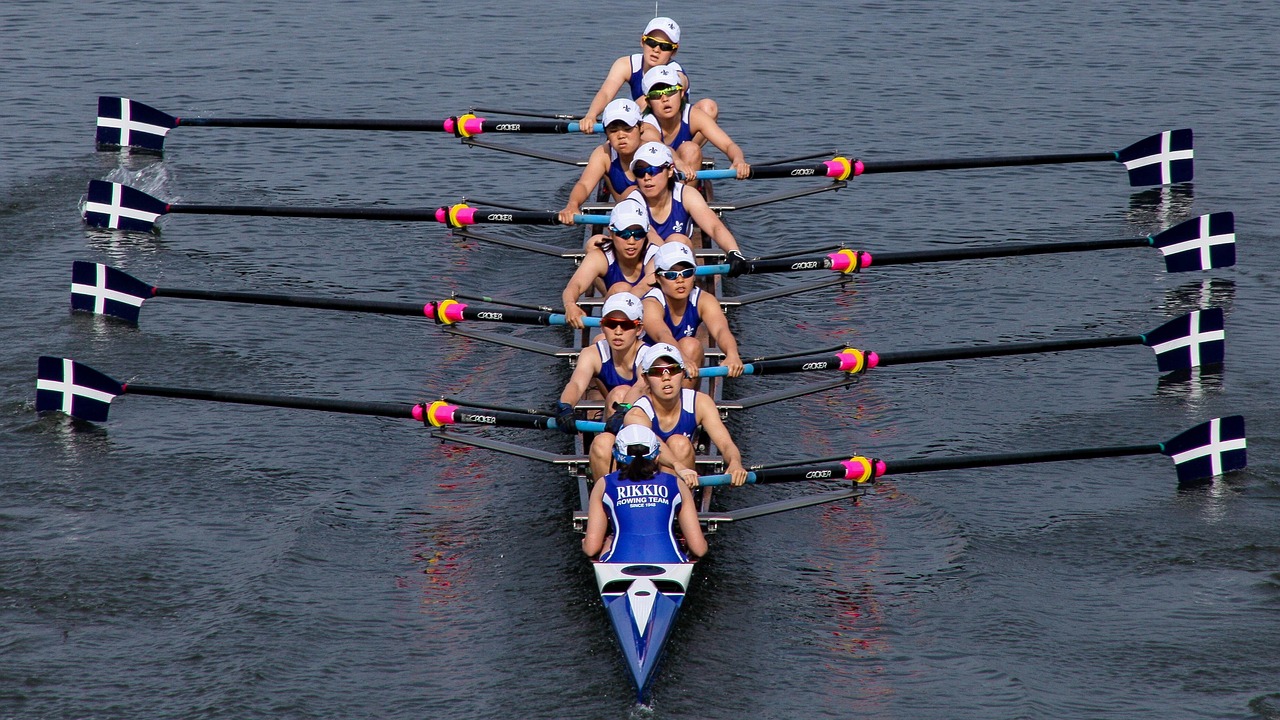

Using Video Analysis to Enhance Rowing Technique
In the realm of rowing, mastering technique is pivotal to achieve optimal performance and efficiency on the water. Video analysis serves as a powerful tool for coaches and athletes alike, providing a visual medium to dissect and improve every aspect of rowing mechanics. Through video recording, rowers can observe their own strokes, body positions, and overall rhythm in real time, highlighting areas in need of enhancement. This creative and practical approach allows rowers to identify mistakes that might not be apparent during practice. The integration of feedback derived from video recordings enables systematic adjustments, fostering incremental improvements over time. Furthermore, analyzing visual footage can facilitate comparisons among different rowing techniques, helping athletes discover what works best for their unique body types and muscle coordination. The resurgence of mobile technology continues to simplify the accessibility of video analysis for rowers at all levels. With just a smart device, recording and analyzing technique has never been more feasible or comprehensive, making these methods essential for aspiring and competitive rowers who seek to elevate their skills and performance on the water.
Despite the advantages of video analysis, understanding how to effectively utilize it is equally important. Rowers should aim to record their practice sessions from multiple angles, ensuring a comprehensive view of their techniques. A standard setup might include a friend or coach filming from the shore while the athlete rows past, capturing the nuances of each stroke. Equally, analyzing footage indoors with the help of additional software can help focus on particular sections of the row. Establishing specific goals for each video review session is essential; this applies to both the athlete and coach. A rower’s focus might be centered around stroke posture, hand entry timing, or the efficiency of a catch, while the coach can design drills that address observed flaws. It’s also crucial to strike a balance between immediate feedback and continued practice without constant disruption from the analysis. Effective communication between the athlete and coach ensures that the insights gained from each session translate into actionable items, creating a cyclical process of review and improvement that can lead to superior rowing outcomes.
Challenges and Considerations in Video Analysis
One of the significant challenges in implementing video analysis within rowing technique is the potential overload of information. As rowers watch footage, they may become overwhelmed with numerous aspects to correct simultaneously, leading to frustration rather than productive improvement. It’s essential to focus on a few critical elements during each review session rather than attempting to fix everything all at once. A strategic approach would be to identify and concentrate on the most impactful adjustments, such as refining the catch phase or optimizing the recovery. Additionally, technical jargon can sometimes hinder effective communication between coaches and athletes; hence it’s vital to use clear, simple language that everyone understands. The psychological aspect is also crucial; athletes should remain open to constructive criticism and understand that mistakes are part of the learning process. Keeping video sessions positive and supportive can enhance learning, ensuring rowers correlate technical corrections with improving their rowing experience. Investing time in fostering a positive environment encourages growth and keeps athletes engaged in their development.
Moreover, leveraging technology can augment the efficiency and effectiveness of video analysis. Many apps are now available, specifically designed to break down movement patterns by providing detailed metrics, overlays, and comparisons against perfected techniques. Features like slow-motion playback enable rowers to scrutinize vital moments during their strokes. Data such as stroke rate, boat speed, and timing can also be collected and analyzed alongside video footage, enriching the learning experience. Coaches can create targeted training plans based on individualized feedback and trends observed throughout training sessions. As technology advances, wearable devices can supplement video analysis by tracking biomechanics in real-time, offering insights not visible through standard footage alone. This blend of data and video provides a holistic overview of a rower’s performance, fostering a culture of data-driven assessments that can significantly boost technique mastery. In tandem, observing professional rowers or participating in workshops can inspire athletes and provide new techniques that complement their learning through video.
Practical Applications of Video Analysis
Implementing video analysis should begin with routine practice, as consistency allows rowers to witness their progression over time. Athletes can set aside specific training sessions dedicated solely to video recording and analysis, fostering a distinct separation between performance and review. This segmentation alleviates the potential distractions that can hinder focus during practice. Coaches can encourage rowers to keep a journal documenting insights gained from each video analysis session, prompting reflection on how corrections are being integrated into their practices. Regular reviews of older footage can also highlight growth over months or years, motivating athletes as they witness how far they’ve come. With this approach, athletes can build confidence in their abilities and stay committed to continuous improvement. Additionally, group video analysis sessions can foster team bonding by allowing rowers to learn from each other’s experiences. Engaging in discussions about technique and offering feedback among peers can cultivate a collaborative spirit and generate a diverse array of ideas for improvement, contributing to overall enhanced team performance on the water.
As athletes integrate video analysis into their training routines, they may start noticing changes beyond mere technique improvement. Enhanced body awareness and better understanding of equipment can arise from a more profound connection to their own physicality. By analyzing posture and movement in detail, rowers develop a clearer recognition of when they are performing optimally or when they need adjustments. This heightened awareness translates to better reactions during high-pressure situations, contributing significantly to competitive success. Additionally, as rowers become more attuned to their stroke rhythms and body angles through video analysis, they may develop improved confidence in their performance. This confidence can manifest during competitions, where mental resilience plays a key role in achieving peak performance. Ensuring that rowers approach their training and competitions with a strong foundation built from video analysis can give them a competitive edge. Thus, employing video analysis must be regarded as not just a tool for improving strokes but as a comprehensive strategy for cultivating the minds and bodies of rowers who aspire to elite levels.
Conclusion: The Future of Rowing Technique Enhancement
In conclusion, video analysis has revolutionized the way rowers improve their techniques, demonstrating significant value in both training environments and competition settings. As technology continues to advance, the methodologies surrounding video utilization will further develop, allowing athletes to extract even more from their training experiences. The fusion of detailed feedback and performance data empowers rowers to take ownership of their growth, become more self-aware, and engage in informed practice. Recognition of the importance of mental components alongside technical aspects will shape the future of rowing training. Athletes will continue to harness tools like video analysis to become not only technically proficient but also mentally resilient and confident competitors. The rowing community as a whole must continue to embrace these advancements, sharing knowledge, experiences, and insights to spur collective progress. Consequently, by integrating this pioneering approach into daily training regimens, the next generation of rowers will undoubtedly drive the sport forward, elevating their performance and achieving unprecedented success both on and off the water.
As rowing evolves, it is essential we remain open to the prospects video analysis offers in training and coaching practices. By sharing insights and findings among peer athletes, improvements can ripple through teams and communities, fostering a collective advancement for the sport as a whole. Implementing regular video reviews will not only enhance collective performance but also create an enriched culture where athletes are encouraged to innovate, ask questions, and embrace new ways of thinking about their techniques. This spirit of exploration and growth will ensure rowing remains an inspiring and dynamic sport. Therefore, as technology advances, the emphasis should focus not just on technique alone but also on how athletes connect with their equipment, their surroundings, and each other.