
The Benefits of Low-Impact Pilates for Injury Rehabilitation
Pilates, a low-impact exercise method, has gained traction among those recovering from injuries. Specifically, low-impact Pilates focuses on controlled movements, which help to strengthen muscles without straining them further. One key benefit is that it enhances flexibility, allowing injured individuals to regain a full range of motion in affected areas. Through gentle stretching and strengthening exercises, Pilates helps to alleviate muscle stiffness common after injuries. In addition, low-impact Pilates promotes better posture, which can prevent future injuries by ensuring that the body’s alignment is correct. Furthermore, engaging in Pilates encourages mindfulness and body awareness that empower individuals during their rehabilitation process. As a result, they become more attuned to their limitations and can make safer choices in their movements. Rehabilitation often requires patience, and Pilates can offer a structured environment where individuals can work at their own pace. Without the pressure of traditional workouts, it fosters a safe space to build strength progressively. Ultimately, Pilates provides the tools necessary for recovered persons to not only heal but also to develop lifelong habits for physical wellness.
Additionally, one of the core principles of Pilates is strengthening the core muscles. The core plays a vital role in maintaining stability and balance, which are crucial for injury rehabilitation. When core muscles are weak, it can lead to compensatory movements, resulting in further injuries. Low-impact Pilates focuses on aligning the spine and engaging the deep abdominal and back muscles. These exercises enhance overall stability, which is beneficial for individuals recovering from various injuries, including those to the back, hips, and knees. By building a strong foundation, clients can safely transition into more complex movements later in their rehabilitation journey. Moreover, Pilates can be adapted to meet individual needs, accommodating various levels of ability and different types of injuries. Modifications can ensure that patients do not strain themselves while still benefiting from the rehabilitative properties of the exercises. Beyond physical rehabilitation, low-impact Pilates can also enhance mental well-being. The focus on breathing and controlled movement can serve as a form of therapy, alleviating stress and anxiety during recovery.
Finally, engaging in Pilates provides a supportive community.
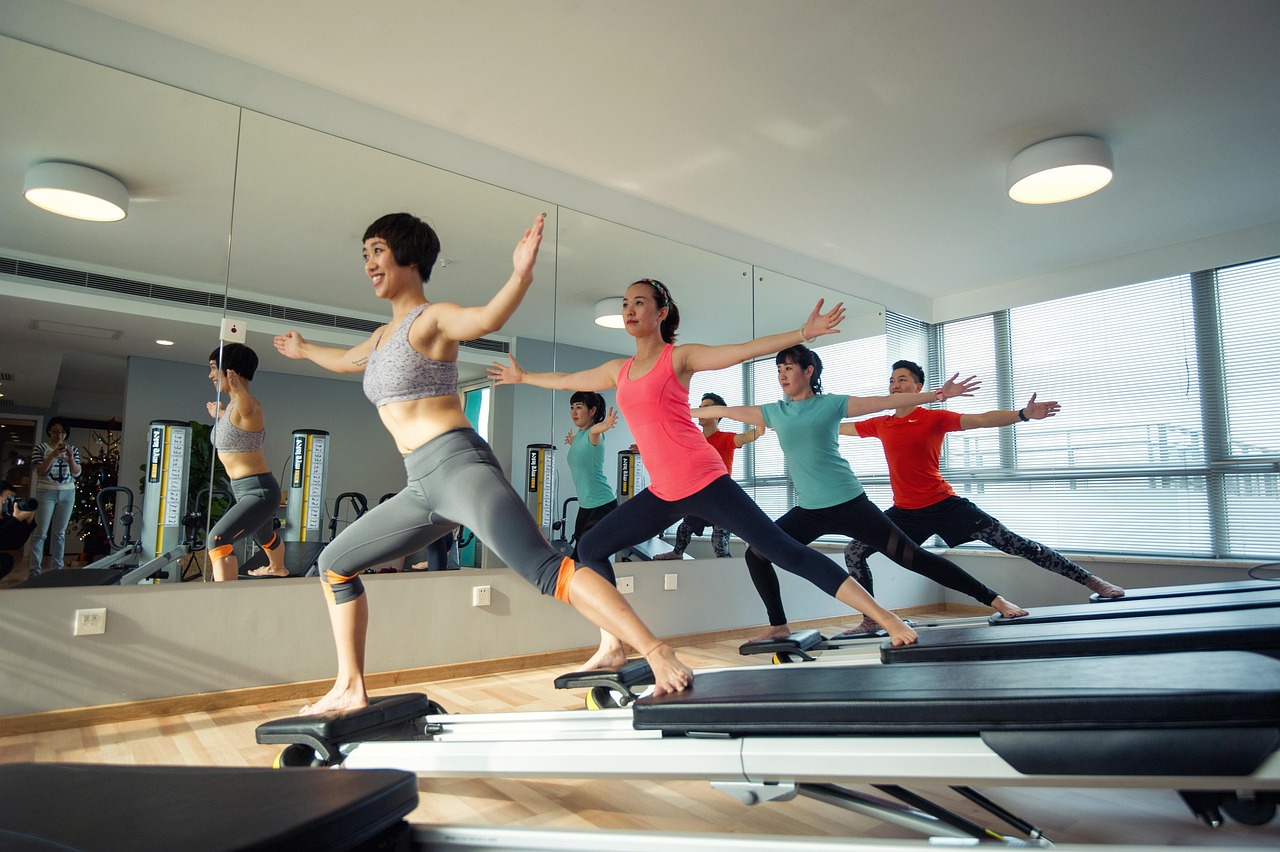
Support is essential during recovery, as it helps individuals feel less isolated in their journey. Many Pilates studios foster a welcoming atmosphere where individuals can share their experiences and motivate each other through their challenges. This community aspect can play a crucial role in maintaining motivation levels during rehabilitation, positively affecting the healing process. Social interaction can combat feelings of loneliness and frustration often felt during recovery. Furthermore, many Pilates instructors are trained to work with rehabilitating clients. Their expertise ensures that exercises are performed safely and effectively, reducing the risk of re-injury. They can tailor sessions to address specific needs and modify exercises as needed, ensuring optimal recovery for each participant. This attentive guidance enables students to build trust with their instructors and actively participate in their healing journey. Incorporating Pilates into a rehabilitation program also encourages setting realistic goals. By tracking progress and celebrating small milestones along the way, clients can stay encouraged and engaged in their recovery. As they witness their strength improving, it enhances confidence and promotes a positive outlook on their health.
The introduction of low-impact Pilates into rehabilitation programs can enhance not only physical recovery but also emotional resilience. Pilates encourages participants to listen to their bodies, fostering a sense of empowerment, which is crucial for anyone recovering from injuries. By learning control over their bodies, individuals can shift focus from limitations to capabilities, promoting a positive mindset during rehabilitation. Additionally, understanding personal boundaries allows injured persons to avoid overexerting themselves, further preventing setbacks. As students gradually progress, they can participate in more dynamic movements aligned with their evolving strength levels. Furthermore, incorporating imagery and visualization can enhance the effectiveness of Pilates exercises. By picturing themselves performing movements correctly and safely, individuals may increase their performance and their understanding of proper techniques. This technique can be particularly helpful during periods of low motivation or in individuals uncertain of their recovery journey. Through frequent practice and reinforcement, Pilates cultivates a renewed appreciation for body movement that extends even beyond injury recovery. Eventually, individuals can embrace a more active lifestyle filled with wellness and a broader awareness of their overall physical health.
In conclusion, low-impact Pilates serves as a comprehensive approach for injury rehabilitation.
Its emphasis on core strength, flexibility, and body awareness affords individuals the opportunity to regain their physical capabilities after injury. In comparison to high-impact workouts which can potentially worsen injuries, low-impact Pilates presents a safe and effective alternative. This method’s adaptability ensures that it can be used for clients with varying levels of fitness and different injury types, making it highly versatile. Most importantly, focusing on gradual progression allows individuals to build strength and confidence without risking their health. Paired with the supportive community often found in Pilates studios, students can find motivation to persist in their rehabilitation journey. Furthermore, Pilates also addresses the mental aspects of recovery, ensuring that participants feel empowered while regaining control over their bodies. The holistic nature of Pilates equips individuals with not only physical skills but also the tools they need to foster a healthy mindset. When individuals are properly guided and supported, they can look forward to a healthier future, free of the limitations imposed by their prior injuries.
To fully realize the benefits of low-impact Pilates for injury rehabilitation, it is essential to incorporate this practice with professional guidance. Individuals should consult healthcare professionals, such as physical therapists or certified Pilates instructors, who understand the nuances of injury recovery and tailored protocols. Engaging in personalized sessions may help better address specific challenges faced during rehabilitation, paving the way for successful outcomes. Additionally, consistency in practice remains key. Those recovering from injuries may benefit from attending regular classes or engaging in Pilates routines several times a week. A systematic and dedicated approach to Pilates can significantly bolster recovery rates over time. Patients should always be mindful of their limitations and learn to adapt exercises suitable to their specific needs. By understanding that recovery is a journey that demands patience, individuals can use low-impact Pilates as an ongoing tool for improved health. Finally, gradual reintegration into regular physical activities can help foster resilience and promote a proactive mindset toward injury prevention. Low-impact Pilates could serve as an integral part of a comprehensive health strategy, maximizing not just recovery but overall well-being in life.
Overall, the integration of low-impact Pilates into injury rehabilitation programs shows tremendous promise. As more individuals discover its numerous benefits, it is likely to become even more embedded in therapeutic practices across various health and wellness disciplines. Practitioners recognize the effectiveness of Pilates in reducing pain, enhancing performance, and, importantly, promoting long-lasting recovery. Furthermore, from athletes to everyday individuals, those accessing Pilates as a rehabilitative tool experience a renewed connection with their bodies. The journey from injury to recovery can often feel daunting, but employing low-impact Pilates as part of a comprehensive strategy can turn challenges into accomplishments. With each small victory on the path to wellness, patients can foster a lifelong appreciation of their physical abilities. In essence, the journey of rehabilitation can transform into a narrative of resilience, empowerment, and connection through mindful movement. As such, individuals are not merely recovering; they are re-energizing their lives in unexpected ways. They will ultimately emerge more robust, both physically and mentally, ready to embrace their future with enthusiasm, ensuring that the impact of their rehabilitation extends far beyond the physical experience.
In light of these considerations, it is crucial for individuals seeking rehabilitation methods to explore low-impact Pilates thoroughly. As recovery journeys differ from one person to another, understanding options available for injury rehabilitation can lead to significant improvements. Clients should seek programs tailored to their needs and guided by trained professionals. With the growing interest in Pilates within fitness and healthcare, increased resources and workshops are available to assist individuals looking to enhance their knowledge. By leveraging the plethora of benefits associated with low-impact Pilates, individuals can find the support and guidance necessary for successful rehabilitation. The integration of Pilates into rehabilitation practices represents an exciting evolution within the health and wellness community. Those engaged in this practice can cultivate not only physical strength but also emotional resilience, empowering them throughout their recovery. Learning to navigate this journey, individuals can develop healthier lifestyle habits and a proactive mindset when facing obstacles. With dedication and commitment, the future of rehabilitation looks promising, ushering in an era where recovery is holistic and transformative, benefiting people physically and spiritually.