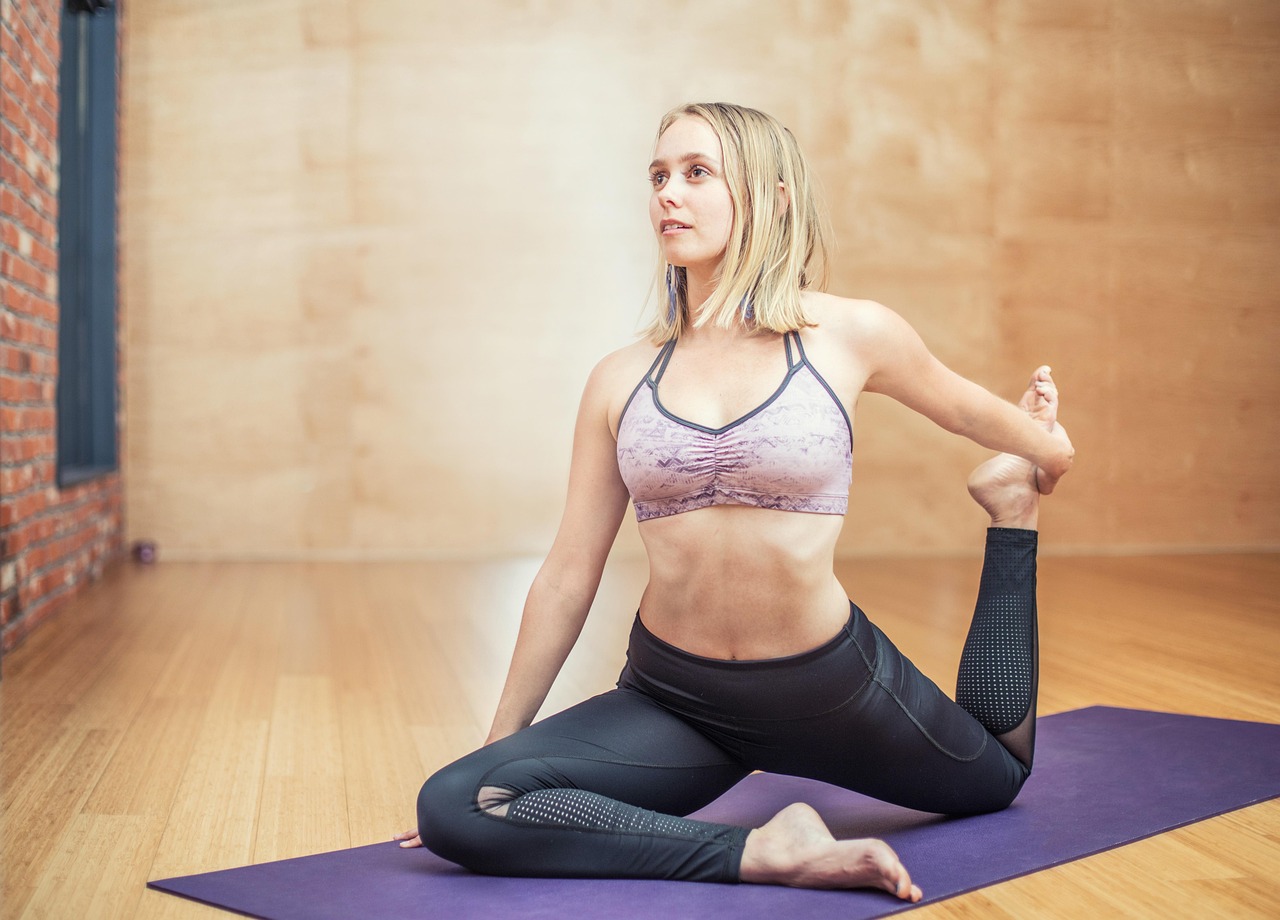

Yoga for Rehabilitation: Combining Movement and Mindfulness
Yoga for rehabilitation serves as a holistic approach to healing and recovery from injuries or ailments. This practice promotes the integration of physical movements and mindful awareness, catering to diverse individual needs. Yoga emphasizes stretching, strength, and balance while incorporating breath control. Specifically, individuals recovering from various physical ailments can benefit from yoga’s supportive methods, which enhance flexibility and muscle strength while reducing pain. Mindfulness during yoga practice encourages a connection between mind and body, fostering emotional healing. Integrating yoga in rehabilitation programs is increasingly popular among therapists and wellness practitioners. The gentle yet effective poses help patients gradually rebuild confidence. With the ability to adapt poses to individual capabilities, yoga provides a personalized experience crucial for rehabilitation. As individuals work through their limitations, they develop a better understanding of their bodies, allowing them to embrace the healing process fully. Yoga’s focus on breathing techniques further aids in relaxation and pain management. Overall, yoga creates a safe space for healing, ultimately empowering individuals to regain mobility and mental clarity, making it an essential tool in any rehabilitation program.
Incorporating yoga into rehabilitation requires an understanding of its benefits and methodologies. Many yoga poses focus on gentle movements ideal for patients recovering from physical injuries. These poses, such as Child’s Pose and Cat-Cow, are foundational in restoring mobility. Utilizing props, like blocks and straps, can assist individuals who require additional support. More advanced yoga practices include Vinyasa or Hatha, which help to build endurance while enhancing strength. This adaptable nature of yoga allows practitioners to modify positions according to their limitations without compromising effect. Moreover, yoga emphasizes mindfulness and body awareness, crucial for safeguarding against future injuries. Activities centered around mindfulness keep participants oriented in the moment. This concentrated mindfulness translates into daily life by fostering a deeper connection to physical sensations and mental states. As we anchor ourselves to the present, we create a protective barrier against stress and anxiety, which can result from confronting past injuries. Furthermore, maintaining balance in coordination during yoga sessions encourages participants to focus on bodily alignment, ultimately fostering improved posture as well. Overall, the integration of yoga in rehabilitation provides indispensable tools for overcoming physical hurdles.
The Role of Breath in Yoga Rehabilitation
Central to yoga practice is the importance of breath, especially during rehabilitation. Breathwork, or Pranayama, serves to enhance focus on physical movements and promote relaxation. Effective breathing techniques can significantly impact physical and emotional well-being in rehabilitation. Individuals often grasp this concept through practices that engage the diaphragm deeply, such as diaphragmatic breathing. By emphasizing long, even inhalations and exhalations, individuals can access deeper states of relaxation during sessions. This heightened state of calm reduces overall tension levels and promotes emotional resilience. Additionally, conscious breath control facilitates better oxygen flow to soft tissues and muscles. Enhanced oxygenation helps speed up recovery processes post-injury and opens pathways for healing. Regular implementation of directed breath exercises during rehabilitation sessions supports mindfulness in movement. This connection between breath and movement directs attention toward safety and the body’s limits. When individuals remain attuned to their breath, they become more aware of sensations and trigger points that need attention. The synergistic effect of breath and movement lays a robust foundation for overcoming past barriers during recovery. All of this highlights breath’s crucial role in yoga for rehabilitation, making it a vital aspect of practice.
The psychological benefits of yoga in rehabilitation are equally significant. Engaging in mindful practices provides individuals with relief from stress and anxiety. Psychological factors often hinder recovery; therefore, addressing mental well-being through yoga can enhance rehabilitation outcomes. A calm mind aids in better adherence to recovery protocols, which can lead to improved physical outcomes. Research has shown that individuals participating in guided yoga sessions report feelings of empowerment and increased motivation. Practically, this means that yoga can transform not just the body but also the mind, creating pathways for positive change. Reflection upon thoughts and feelings during practice invites deeper understanding and acceptance. As individuals connect their physical recovery to emotional healing, they are more liable to build resilience against setbacks. Furthermore, a supportive community often forms within yoga classes, serving as encouragement and motivation for participants. Sharing experiences and challenges fosters a sense of belonging. By combining physical movement with emotional support, yoga reinforces recovery efforts. Open discussions about progress can cultivate lasting friendships that extend beyond yoga sessions. Thus, the dual benefits of psychological healing make yoga an incredible tool alongside traditional rehabilitation methods.
Yoga Poses for Rehabilitation
Specific yoga poses targeted at rehabilitation can greatly enhance recovery rates across different injuries. These poses include numerous restorative and gentle stretches. For example, the Downward Dog focuses on aligning the spine whilst stretching the hamstrings. This pose encourages total-body engagement and is excellent for rebuilding strength. The Bridge pose serves to strengthen glutes and lower back while enhancing flexibility in the hip flexors. Moreover, forward bends, such as Seated Forward Bend, emphasize deep stretches that can alleviate tension in the spine and hamstrings. All of these practices are adaptable for different skill levels and can be modified for individuals recovering from specific injuries. A standing balance series is also invaluable for enhancing proprioception, which aids in coordination and injury prevention. Incorporating these poses into a daily routine fosters gradual improvements in strength and flexibility across the board. Participants, as they progress, gain a multitude of physical benefits; and this empowers them on their healing journey. Keeping a consistent yoga practice allows individuals to monitor their physical states closely, leading to ongoing improvements. Thus, specific poses target vital areas of recovery in rehabilitation workouts.
In addition to physical wraps, the role of mindfulness during yoga practice is vital for rehabilitation success. Practicing mindfulness encourages individuals to slow down and pay attention to their bodies. Through this focus, one can identify limitations and areas of tension, paving the way for corrective work. Mindful movements in yoga allow practitioners to develop a deeper understanding of their bodies. The act of slowing down promotes a sense of safety, reinforcing the body’s natural responses. As individuals cultivate awareness, this practice encourages gentle experimentation, reducing fear associated with physical activity after injury. Practitioners often discover that even simple movements can build confidence and create opportunities for expansion. This approach is vital for overcoming mental blocks related to physical activity and injury. By concentrating on breathing, individuals effectively manage anxiety while exploring their range of motion. This process not only aids in healing injuries but also builds resilience for future endeavors. Gradually, the individual learns to embrace discomfort as part of the healing journey. Thus, the interconnection of mindfulness and bodily awareness creates a supportive framework for rehabilitation. The incorporation of mindfulness ultimately amplifies and enriches the entire yoga experience.
The Future of Yoga in Rehabilitation
Looking ahead, the role of yoga in rehabilitation continues to expand, promoting new avenues for healing. Research validated its effectiveness, leading to heightened recognition in clinical settings. Many rehabilitation centers are beginning to integrate yoga-based interventions alongside traditional therapies. Furthermore, the growing demand for more holistic healthcare practices advocates for yoga’s incorporation in rehabilitation routines. Incorporating yoga may serve as a strategic move toward promoting healthier lifestyles. The momentum behind yoga integration fuels ongoing studies aiming to deepen understanding of its benefits in rehabilitation. These studies could eventually provide concrete evidence supporting specific yoga practices tailored to various injuries. Future practitioners might include yoga-specific training to aid rehabilitation, ensuring they can offer these invaluable tools to patients effectively. Additionally, new technologies, such as virtual classes or applications, deliver yoga practices to individuals needing therapy at home. Accessibility remains a priority, and yoga, as a self-care tool, can be implemented anywhere regardless of scheduling. Ultimately, the future of yoga in rehabilitation stands bright, with transformative possibilities ahead. This promising landscape will undoubtedly enrich lives and enhance the recovery process for many individuals embarking on the road to healing.
In conclusion, yoga offers a unique combination of movement and mindfulness that greatly benefits those in rehabilitation. Adapting poses and focusing on breath allows individuals the opportunity to engage wholeheartedly in their healing journeys. The emotional and psychological aspects of yoga empower participants to take ownership of their recovery. As research progresses, more individuals will likely discover the profound effects yoga holds for rehabilitation. With its adaptable nature and strong community support, yoga enables people to embrace recovery positively. Through regular practice, individuals not only regain movement but also foster mental clarity and emotional resilience. The intertwining of movement and mindfulness creates a comprehensive approach that enhances the elements of rehabilitation programs. As this practice continues to gain recognition, it is clear that yoga will play an increasingly important role in physical recovery methods. The connection between individuals and their bodies through yoga paves the way for sustained wellness. In the future, we can expect the integration of yoga practices in various settings, further contributing towards healthier and happier lives for all. Embracing yoga in rehabilitation serves as a promising path to overcoming physical challenges and realizing individual potential.