
Future Trends in Judo Coaching and Training Methodologies
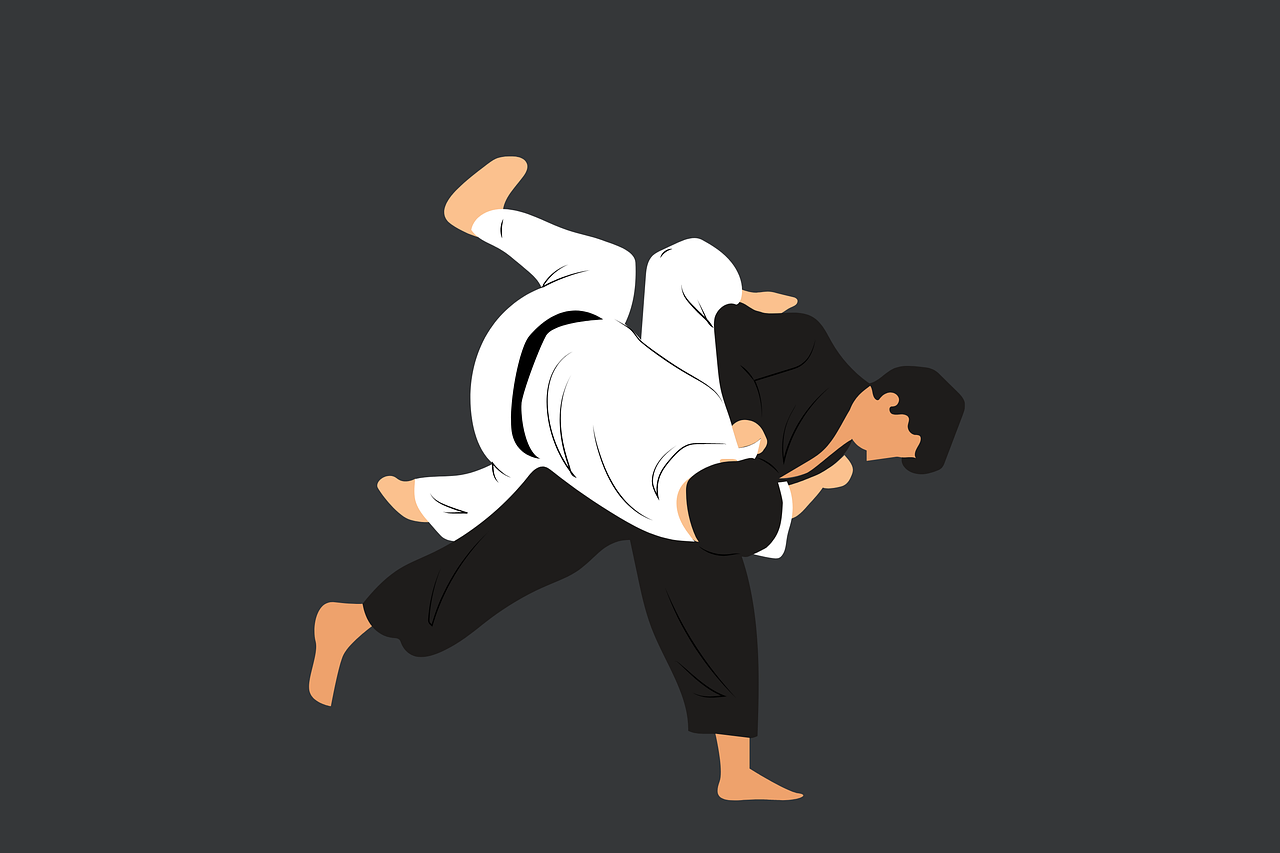
As judo emerges in new arenas, coaching methodologies must evolve. Traditional techniques are enhanced by incorporating modern technology. Digital platforms are reshaping how coaches communicate and share knowledge. Remote learning is providing access to expert techniques, allowing judoka to train anywhere. Coaches can utilize video analysis for performance feedback. This immediate input encourages constant improvement. Additionally, artificial intelligence may soon analyze fighters’ moves, offering personalized training plans. With analytics, coaches gain insights into physical and mental readiness, assisting in crafting tailored training regimens. Data-driven approaches help identify areas for improvement through objective metrics. Furthermore, an increased focus on mental resilience is critical. Integrating psychological training in judo can enhance performance under pressure. Thus, the importance of mental fortitude is acknowledged alongside physical prowess. Training centers increasingly combine physical and psychological methodologies for a holistic approach. Athletes are now developing an all-encompassing skill set to face competitions head-on. Enhanced decision-making skills are also promoted in high-pressured situations. Coaches need to adopt these multi-dimensional training methodologies to prepare judoka for a dynamic competitive environment. The future of judo coaching truly lies in blending tradition with innovation.
Interactive technologies are reshaping the landscape of judo coaching in significant ways. Virtual reality (VR) and augmented reality (AR) are emerging as effective training tools to enhance skills. These immersive experiences allow judoka to practice techniques and situational awareness in a controlled environment. Coaches can simulate various scenarios, allowing athletes to experience realistic fighting situations. For instance, a judoka can visualize their opponent’s strategies, which enhances anticipation and response skills. Moreover, this tech can be employed alongside traditional training to offer a more engaging practice. Coaches should also focus on providing platforms for athletes to train collaboratively, promoting peer learning. Social-sharing platforms dedicated to judo training enable judoka globally to exchange techniques and insights in real-time. But this also comes with challenges; coaches must balance new tech with fundamental skills training. Prioritizing the integrity of traditional methods along with modern ones will ensure judo remains competitive. As coaching resources become available in multiple formats, coaches must adapt their methodologies accordingly. This approach prepares athletes for dynamic styles they may encounter. Ultimately, embracing technology can complement judo training while preserving the passion and principles inherent in the sport.
The evolution of strength and conditioning programs is another prominent trend in judo coaching. Developing physical strength specific to judo is essential for competitive edge. Coaches are increasingly emphasizing tailored training regimens, focusing on building recognizable judo-specific strength. No longer is it sufficient to rely on generic conditioning programs; specificity helps in improving performance during matches. Functional movement assessments help evaluate judoka’s current capabilities, which leads to personalized approaches. These assessments inform training intensity, volume, and type, ensuring a gradual buildup to peak performance. Additionally, recovery protocols are gaining importance alongside these strength programs. With heavier training loads, judoka need structured recovery plans involving nutrition, flexibility, and rest. Coaches are recognizing sleep’s crucial role in performance, underscoring its necessity in an athlete’s routine. Workshops on nutrition are increasingly common, advising on food that aids optimal training and recovery. Interdisciplinary approaches encompassing nutrition, physiotherapy, and psychology will help athletes maximize their performance potential. This holistic focus is essential for the athlete’s long-term sustainability, ensuring they remain competitive without sacrificing their well-being. Adapting strength and conditioning practices to the evolving demands of judo fosters a deeper understanding among coaches.
The Rise of Inclusive Coaching Practices
Inclusivity is becoming a vital aspect of judo coaching methodologies, creating a welcoming environment for all judoka. Coaches are increasingly recognizing the diverse backgrounds and needs that athletes bring to the mat. Curriculum adaptations and individualized coaching styles accommodate varied skills and motivations. This openness fosters a supportive environment, encouraging athletes to thrive. Inclusive coaching allows different styles and cultures to be embraced, enriching the overall judo community. Furthermore, coaches are now prioritizing engagement with impairments and learning differences. Adaptive techniques ensure all athletes can participate meaningfully, reinforcing personal growth and confidence. Integrating adaptive judo techniques promotes inclusiveness while enhancing the reach of judo as a sport. Coaches should also explore partnerships with community organizations to extend their influence, showcasing judo’s accessibility. In turn, this outreach ignites interest and encourages participation from untapped demographics. Embracing diversity among athletes promotes understanding and respect across various communities. Fostering a culture of inclusivity benefits coaching practices and develops camaraderie among competitors. With increased collaboration, judo can modernize to accommodate societal changes, positioning itself as a sport for everyone, regardless of ability. By celebrating differences, we elevate the integrity and diversity in judo.
The incorporation of mental skills training into judo coaching is gaining traction, emphasizing its importance alongside physical training. Mental fortitude can significantly affect an athlete’s performance, especially during high-stakes competitions. Coaches can integrate psychological techniques to enhance focus, motivation, and resilience. Techniques such as visualizations, self-talk, and mindfulness sessions are becoming common practice among judoka. These tools prepare athletes for the psychological demands they face in matches. Workshops on mental conditioning encourage judoka to manage stress and sustain composure effectively. Coaches must also cultivate an open dialogue about mental health, breaking the stigmas surrounding it in sports. This shift promotes mental well-being, enabling athletes to balance the pressures of competition with their personal lives. Furthermore, understanding the impact of emotions on performance allows for tailored coaching strategies based on each athlete’s needs. Building mental skills also fosters a sense of self-awareness among judoka, leading to better decisions during matches. Coaches should continuously learn and adapt these mental training techniques to enhance their methodologies. Prioritizing mental training alongside physical aspects ensures well-rounded development in young judoka, equipping them with vital skills for success both on and off the mat.
Emphasis on Lifelong Learning for Coaches
Ongoing education for coaches is increasingly vital as the world of sports evolves. Embracing a culture of lifelong learning empowers judo coaches to refine their techniques and methodologies. Continuous education seminars, workshops, and online courses offer valuable resources for coaches at all levels. Staying updated on the latest trends, strategies, and innovations in judo fundamentally enhances coaching practices. Moreover, these learning opportunities promote networking among coaches, offering platforms for collaboration and sharing best practices. By fostering a community-focused educational environment, the sport benefits as a whole. Coaches can explore certifications specific to judo coaching, enabling specialization in particular aspects. This helps in developing expertise that directly impacts athlete performance. Additionally, mentors play a crucial role in advancing knowledge; experienced coaches sharing insights with newcomers enhances skill acquisition. Similarly, cross-training in various fields like sports science or nutrition can broaden a coach’s perspective, improving their adaptability. The gradual implementation of new methodologies brings freshness to an athlete’s training regimen. Investing in the education of coaches is equally pivotal as investing in athlete training, ensuring the sport’s growth and prosperity in the future. Advocating for continuous learning maintains the sport’s dynamism.
In conclusion, the future of judo coaching and training methodologies points to a blend of tradition and innovation. Emphasizing technological advancements, inclusive practices, and mental training ensures sustainable progress. Coaches must remain adaptable, embracing the evolving landscape of judo. By staying attuned to the unique needs of their athletes and responding effectively, coaches create an environment where athletes can succeed. Lifelong learning and continuous education pave the way for coaches to stay informed and progressive. Developing a more holistic approach that incorporates physical, mental, and emotional aspects of training prepares judoka for the challenges they encounter. Moreover, fostering inclusivity allows judo to thrive as a diverse sport that welcomes all participants. Coaches are at the forefront of this evolution, influencing not only tactically but fundamentally transforming the coaching narrative. The next generation of judoka will benefit from these enhanced methodologies and practices. The community must unite in supporting innovative techniques in coaching and training. As the judo landscape continues to change, coaches need to lead the charge, guiding athletes on their journey to excellence. The focus on adaptability will drive the sport forward, ensuring it remains relevant, engaging, and competitive in the years to come.
As judo emerges in new arenas, coaching methodologies must evolve. Traditional techniques are enhanced by incorporating modern technology. Digital platforms are reshaping how coaches communicate and share knowledge. Remote learning is providing access to expert techniques, allowing judoka to train anywhere. Coaches can utilize video analysis for performance feedback. This immediate input encourages constant improvement. Additionally, artificial intelligence may soon analyze fighters’ moves, offering personalized training plans. With analytics, coaches gain insights into physical and mental readiness, assisting in crafting tailored training regimens. Data-driven approaches help identify areas for improvement through objective metrics. Furthermore, an increased focus on mental resilience is critical. Integrating psychological training in judo can enhance performance under pressure. Thus, the importance of mental fortitude is acknowledged alongside physical prowess. Training centers increasingly combine physical and psychological methodologies for a holistic approach. Athletes are now developing an all-encompassing skill set to face competitions head-on. Enhanced decision-making skills are also promoted in high-pressured situations. Coaches need to adopt these multi-dimensional training methodologies to prepare judoka for a dynamic competitive environment. The future of judo coaching truly lies in blending tradition with innovation.