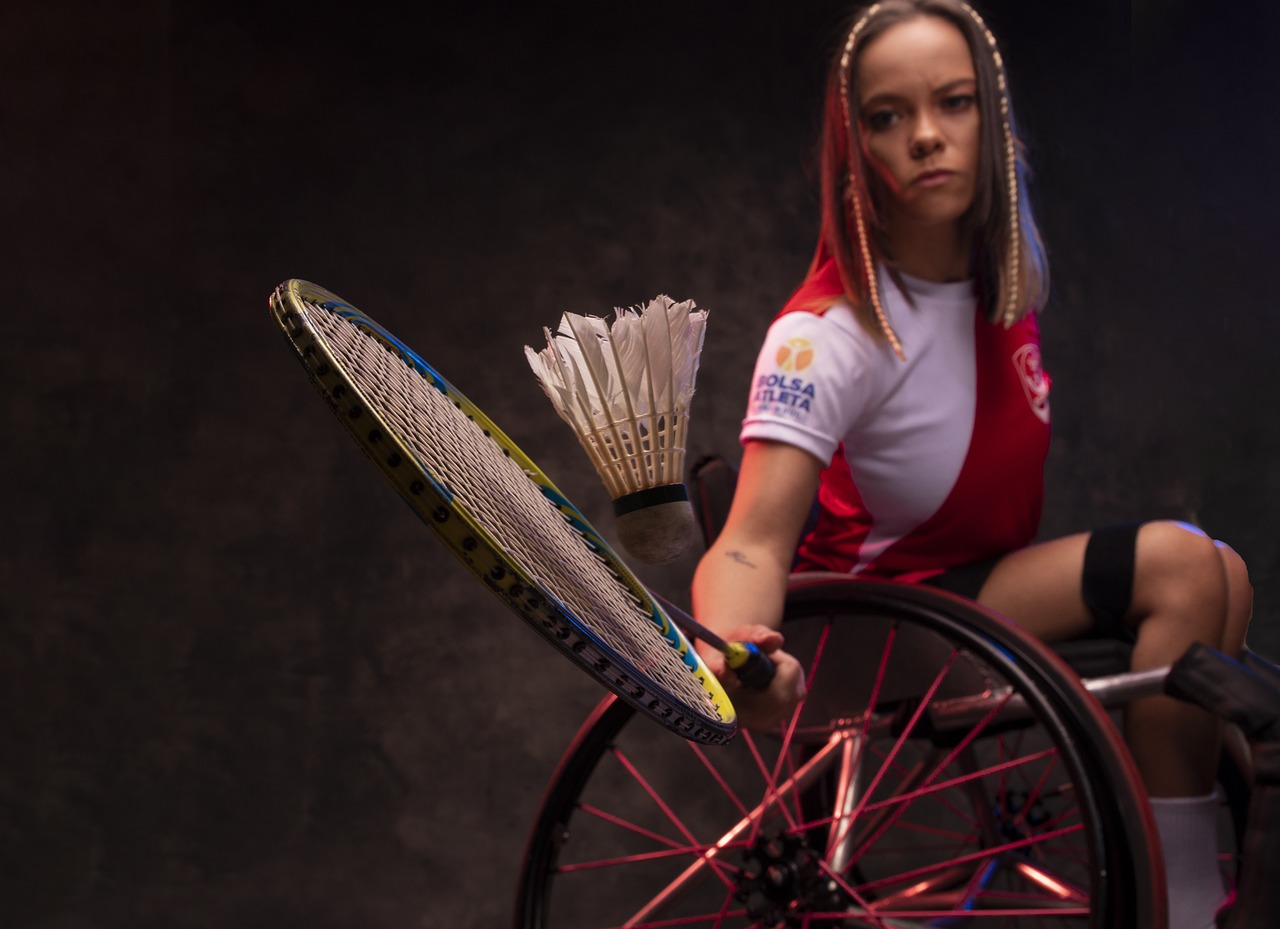

The Role of Machine Learning in Mapping Athlete Development
Machine learning has rapidly become a pivotal element in sports analytics, particularly in understanding athlete career trajectories. The nuanced process of athlete development involves various factors, such as skill enhancement, injury recovery, and performance consistency. Machine learning algorithms can assimilate massive datasets which include historical performance metrics, physiologic data, and psychological assessments. Analyzing this information aids coaches and sports organizations in identifying trends, optimizing training regimens, and setting personalized goals. Models can utilize supervised learning to predict future performance based on past data, leading to tailored developmental strategies. Furthermore, machine learning acts as a bridge between traditional coaching techniques and data-driven decision-making, ensuring athletes receive more scientific training approaches. As technology evolves, the integration of machine learning into athlete development becomes crucial. The predictive analysis reveals which training methods yield the best outcomes, based on historical success rates. Thus, the sports industry benefits immensely by adopting innovative technologies and methodologies that harness machine learning capabilities for enhancing athlete performance and career longevity. In conclusion, the role of machine learning extends beyond data analysis, becoming a transformative force in athlete career trajectory analysis.
Data Collection and Processing
The first crucial step in utilizing machine learning for athlete development is comprehensive data collection. This data encompasses a wide range of elements, including physical attributes, training routines, injury histories, and performance statistics. For instance, gather data on each athlete’s previous game performances, training sessions, and even biometric readings like heart rate and recovery times. Processing this information efficiently is equally vital—cleaning and normalizing data ensures accurate analysis and prevents unreliable predictions. Proper data processing involves filtering out noise, addressing missing values, and categorizing continuous variables. Subsequently, segmented data can provide insights into different player types, their conditioning regimes, and overall development patterns. Successful machine learning frameworks require diverse datasets to learn effectively; a multi-dimensional approach enables more accurate predictions. As technology advances, wearable sensors and applications accumulate real-time data, allowing instant feedback and further improving the responsiveness of training methods. Machine learning can analyze this influx of real-time data, integrating it with historical datasets for enhanced performance predictions, providing athletes and coaches quick, actionable insights for adjustments in training techniques and schedules.
Model selection crucially influences the efficacy of machine learning in athlete career trajectory analysis. Several algorithms, such as linear regression, support vector machines, and neural networks, have distinctive strengths and weaknesses. Selecting an appropriate model hinges on the specific objectives and the data characteristics at hand. For instance, regression techniques might pertain to measurement outcomes of performance over time, while complex neural networks could capture deeper patterns within large datasets effectively. Additionally, model accuracy must be validated through cross-validation techniques, enabling confirmation that predictions are reliable and generalizable to new, unseen data. Ensure to monitor models for overfitting—where a model performs well on training data but fails in practical application. This introduces the importance of iterative testing and refining models until they consistently deliver accurate outcomes. Collaborating with data scientists and sports psychologists can augment the quality of insights derived from model output. Furthermore, leveraging ensemble methods allows combinations of various models to enhance prediction accuracy in athlete performance evaluation, yielding a more comprehensive understanding of their career trajectories. Hence, model selection and its continuous refinement remain vital to optimizing sports analytics practices.
Feature Engineering for Enhanced Predictive Accuracy
Feature engineering plays a critical role in machine learning, primarily when analyzing athlete development trajectories. It involves selecting, modifying, or creating features—variables representing vital attributes of athlete performance. Identifying which features contribute effectively to predictive models can dramatically impact outcomes. For example, physiological factors such as VO2 max, speed, and strength can be crafted into specific training variables. Moreover, adding time-based features like age and training duration allows for developing models that account for maturation and training volume effects on performance. Historical performance metrics often serve as essential inputs, but aggregating them into meaningful features may provide additional layers of analysis. Advanced analytics can also include psychological dimensions, such as motivation levels or stress responses. Incorporating data from biomechanics, like movement patterns captured from video analysis, offers richer insights into athletes’ skill sets. Thus, properly executed feature engineering significantly enhances a predictive model’s power, enabling deeper understanding of complex interactions affecting athlete trajectories. This entire process produces tailored training strategies that cater to individual athlete needs and goals, thus sharpening their competitive edge.
Evaluating the impact of machine learning techniques in athlete career analysis requires robust metrics. Performance metrics such as accuracy and precision of predictions serve as critical benchmarks for assessing model effectiveness. By employing these metrics, sports analysts can gauge how closely the predictive outcomes align with actual athlete performances. Additional metrics like the F1 score and area under the ROC curve provide nuanced understanding of classification models, especially in determining athletes’ injury susceptibility or their potential to succeed in specific competitions. Moreover, visualizing analytics through dashboards can illicite informed decisions quickly; stakeholders can comprehend trends effortlessly. Graphic representations of data foster communication across diverse teams, ensuring everyone understands the implications of the analyses conducted. Utilizing visual tools leads to constant improvements and adjustments to training programs as conditions change. Adaptability becomes essential as athlete requirements evolve over time and technological advancements arise. Thus, performance evaluation not only directs optimization of existing training frameworks but reinforces the integration of machine learning into everyday sports operations. Ultimately, an established metrics strategy equips teams and organizations with the knowledge to sustain the dynamic nature of competitive sports.
Challenges in Machine Learning Adoption
Despite its potential, integrating machine learning into athlete career trajectory analysis faces several challenges. One significant issue is data privacy and ethical considerations; athletes’ personal data must be collected and processed responsibly. The sports industry often grapples with regulations that contain data usage limitations, which could stifle advancements. Organizations must ensure transparency—communicating how data is utilized helps build trust with athletes that their information is being handled ethically. Additionally, the sheer volume and complexity of data can overwhelm teams unprepared for technology integration. Upgrading existing infrastructures to accommodate advanced analytics requires financial resources and skilled personnel. Tackling these hurdles mandates commitment from sports organizations to invest in technology, workforce training, and ethical guidelines. Another challenge lies in the interpretability of machine learning outputs; while models might deliver accurate predictions, understanding the underlying processes can remain elusive for coaches and trainers. Bridging this gap by employing interpretable models alongside complex techniques can facilitate this understanding. Ultimately, fostering a culture that embraces and adapts technology is crucial for gaining the full advantages of machine learning in monitoring athlete development.
Looking toward the future, the role of machine learning in athlete trajectory analysis is only expected to expand. Emerging technologies such as artificial intelligence and deeper insights from big data analytics will enable organizations to improve continuously and adapt their methodologies. Through predictive modeling techniques, the potential to anticipate performance dips or injury risks before they manifest becomes increasingly feasible. Additionally, integrating machine learning with other advancements, including virtual and augmented environments, will optimize training, offering simulation scenarios and real-time analysis. Athletes can train under more realistic conditions, sharpening their performance and decision-making skills. Furthermore, leveraging advanced machine learning models provides insights beyond performance, accounting for external factors including nutrition, sleep, and psychological health. The convergence of these domains will yield a holistic approach to athlete development, fostering longevity in sports careers. As technology continually evolves, so does the potential for personalized coaching strategies, thereby making athletic training more effective than ever. Organizations embracing these advancements can position themselves at the forefront of sporting excellence, ultimately revolutionizing athlete career trajectories through innovative machine learning applications.