
10 Beginner Yoga Poses to Start Your Practice
Yoga is a transformative practice that combines physical postures, breathing techniques, and meditation. For newcomers, it is essential to start with poses that build a strong foundation. This way, the journey into yoga becomes enjoyable, effective, and safe. Begin by exploring these beginner-friendly poses to develop your skills and understanding of yoga. Remember, every practitioner progresses at their own pace; it’s essential to listen to your body and not rush your process. Flexibility and strength will build over time with consistent practice. Yoga is also about mental clarity and focus, enhancing your emotional well-being. Creating a calming environment can further boost your practice experience. Consider practicing in a serene space, perhaps outdoors, to connect with nature. Finding a quality yoga instructor can also be incredibly helpful, as they can guide you through proper alignment and breathing techniques. The poses included here are often used in classes and are great tools for building strength while promoting flexibility. Let’s dive deeper into these ten beginner yoga poses that will help you embark on your yoga journey with confidence and ease.
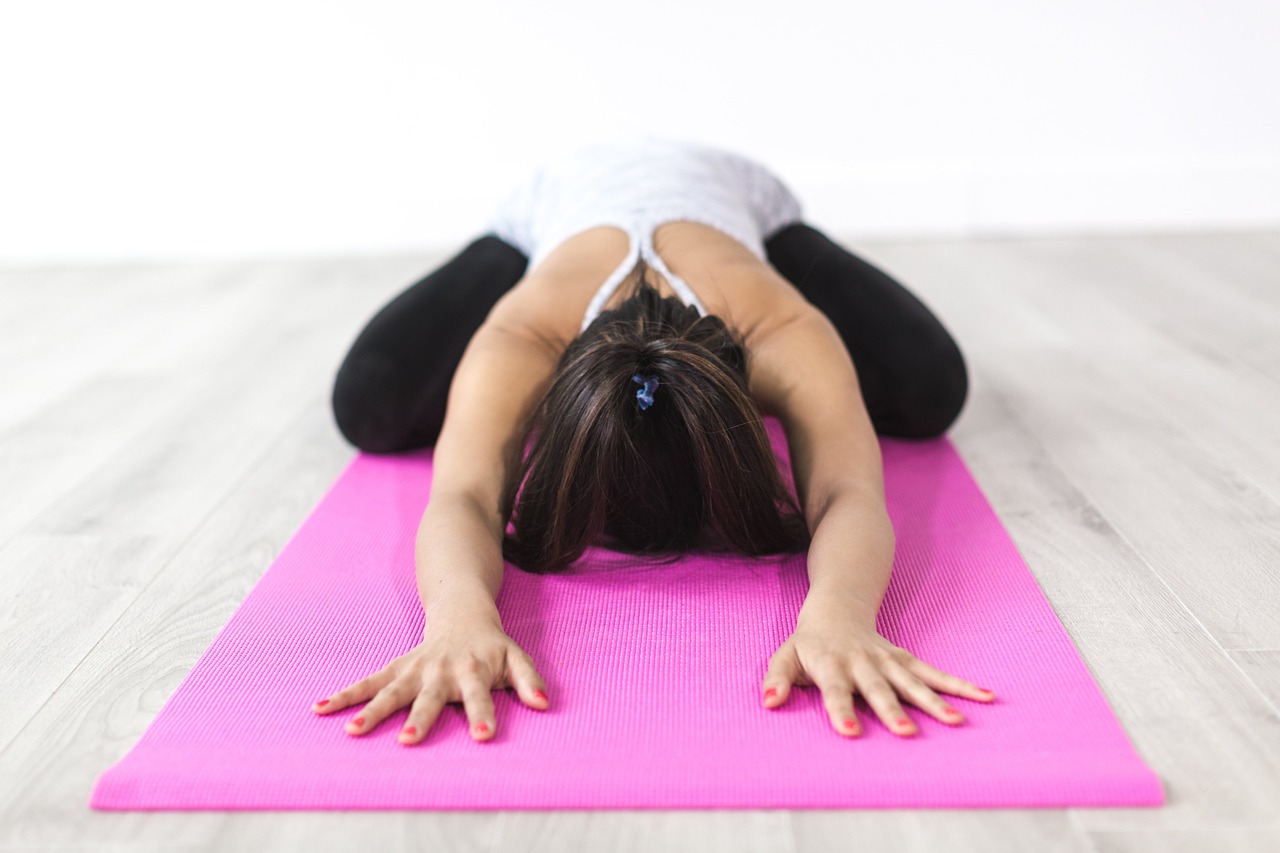
Child’s Pose, or Balasana, is a restful pose that encourages relaxation and introspection. It gently stretches the back muscles, hips, and thighs. To perform this pose, kneel on the floor with your big toes touching, then sit back on your heels. Reach your arms forward and lower your torso between your thighs. Focus on slow, deep breaths while feeling the gentle stretching. It’s an excellent pose to return to throughout your practice, especially if you need a moment of stillness. This pose calms the mind and alleviates stress, making it an essential addition to your routine. Remember to keep your forehead relaxed on the mat, allowing your body to melt into the pose. Engage your breath, inhaling deeply and exhaling slowly, to sink deeper into the stretch. Additionally, you may also try placing a cushion under your forehead for added support and comfort. Practicing Child’s Pose regularly can enhance your overall flexibility and help you become more in tune with your body. Allow yourself to cherish the calmness that envelops you in this nurturing position.
Downward-Facing Dog
Downward-Facing Dog, or Adho Mukha Svanasana, is an invigorating pose that stretches the spine, hamstrings, calves, and shoulders. To enter this pose, begin on your hands and knees, ensuring your wrists align with your shoulders and knees with your hips. Press your hands firmly into the ground while tucking your toes under. Gradually lift your hips towards the ceiling while straightening your legs. Aim to bring your heels towards the floor while maintaining a relaxed head between your arms. Remember to distribute weight evenly across your palms and keep your body engaged. Focus on your breath and the sensations throughout your body. Downward-Facing Dog helps relieve tension, improves circulation, and energizes the body. Beginners may find it challenging at first, but with consistent practice, you’ll soon see improvement in your strength and flexibility. If it’s difficult to reach the floor, feel free to bend your knees slightly. Additionally, you can use yoga blocks under your hands for added support, creating an accessible entry point into this essential pose. Consciously connect with your breath for enhanced effectiveness.
Cobra Pose, also known as Bhujangasana, is a beginner-friendly pose that strengthens the spine while expanding the chest. To enter this pose, lie face down on your mat with legs extended and feet hip-width apart. Place your palms beneath your shoulders, ensuring your elbows are close to your torso. Press into your hands and gently lift your chest off the ground while keeping your elbows slightly bent. Focus on using your back muscles to initiate the lift rather than relying solely on your hands. Hold this position for a few breaths, feeling the gentle stretch through the front of your body. Cobra Pose can help reduce stress and fatigue while promoting better posture. When practicing, avoid overextending your lower back to prevent injury. By engaging your core and lifting through the chest, you cultivate strength and stability. Breathe deeply and remain mindful as you connect with your body through this pose. In addition, remember to relax your shoulders away from your ears to avoid unnecessary tension. Cobra Pose is a great way to open the heart space and improve overall flexibility.
Warrior I Pose
Warrior I Pose, or Virabhadrasana I, is a powerful pose that builds strength in the legs, opens the hips, and stretches the chest and lungs. To perform this pose, stand tall with your feet together, then step back with your left foot, keeping your right knee bent over your right ankle. Your left leg should be straight, with the back heel grounded into the mat. Raise your arms overhead, keeping your palms facing each other. Gaze up at your fingertips, and focus on the grounding sensation in your legs. Warrior I inspires confidence and determination, making it a great pose to incorporate into your routine. Be mindful of your alignment by ensuring your hips face forward and your shoulders are relaxed. Engaging your core will help provide stability during this pose. As you breathe deeply, visualize the energy flowing through your body, strengthening your intention to practice yoga. Consider holding this pose for several deep breaths to enhance your connection with your body and breath. Warrior I can help develop mental clarity while invigorating your spirit.
Tree Pose, or Vrksasana, is a balancing pose that encourages focus and stability. Begin in a standing position, shifting your weight onto your right foot. Bend your left knee, placing your left foot on the inside of your right thigh, calf, or ankle — just avoid the knee. Find your balance and bring your hands together at your heart center or raise them overhead. Imagine yourself as a sturdy tree, deeply rooted into the ground. Maintain even breathing as you challenge yourself to hold the pose. If you find balancing difficult, don’t hesitate to use a wall for support or look at a fixed point ahead to help focus your gaze. Tree Pose not only strengthens your legs but also improves concentration and promotes mental clarity. Ensure your body remains relaxed while engaging the muscles necessary to support your balance. Switch sides after holding the pose for several deep breaths on one leg. Practicing Tree Pose consistently can help enhance overall stability while fostering a sense of relaxation amidst the balancing act. Develop patience with yourself through this enjoyable pose.
Seated Forward Bend
Seated Forward Bend, or Paschimottanasana, is a calming pose that stretches the spine and hamstrings. To practice this pose, sit on the floor with your legs extended straight in front of you. Flex your feet and engage your thighs, keeping your back straight. Start by inhaling deeply, raising your arms overhead, then exhale as you hinge forward from your hips, reaching for your feet or shins. Aim to keep your spine elongated rather than rounding your back. This allows for a more effective stretch while preventing strain. If necessary, use a strap or towel looped around your feet to assist in your stretch. Breathe deeply as you hold this position, allowing your body to relax into the pose. Seated Forward Bend nurtures introspection, helping to calm the mind while preparing you for meditation. With regular practice, you can cultivate significant flexibility in your hamstrings and lower back. Patience is essential — progress in sensation will benefit your practice over time. Allow yourself to enjoy this peaceful moment while embracing a sense of gratitude for your body.
Bridge Pose, or Setu Bandhasana, is a beginner-friendly pose that opens the chest and strengthens the back muscles. To practice this pose, lie on your back with your knees bent and feet hip-width apart, ensuring your heels are close to your sitting bones. Place your arms along your sides with palms facing down. Press your feet into the ground as you lift your hips toward the ceiling, rolling your shoulders underneath you for support. Engage your core and thighs while lifting your chest towards your chin. Bridge Pose is fantastic for taking a break from stressful situations and balancing emotions. As you hold this pose, focus on your breath and allow tension to melt away. Avoid pushing your knees outward; instead, keep them parallel to promote proper alignment. If you can, clasp your hands beneath your back for additional support. Stay in this pose for a few breaths, enjoying the heart-opening effects this position provides. As you practice Bridge Pose regularly, you may notice improved strength in your back, legs, and core, enhancing your overall yoga experience.