
Core Stability Bodyweight Workouts for Postpartum Recovery
Postpartum recovery is an essential period during which a new mother can rebuild strength and stability. Core stability exercises play a crucial role in supporting the abdominal region, improving posture, and reducing back pain. Engaging in bodyweight workouts specifically tailored for postpartum women can also aid in enhancing overall physical well-being. These exercises utilize your body’s weight to strengthen the core, enabling effective recovery while minimizing injury risks. Women who have recently given birth often experience muscle weakness in the abdomen and surrounding areas. By incorporating these workouts into your routine, you can restore strength and stability. The importance of allowing your body to heal properly before returning to strenuous activities cannot be overstated. Core exercises not only focus on physical strength but also promote mental wellness, which is critical during the postpartum period. Remember to consult with a healthcare professional prior to starting any new exercise program. This ensures you choose suitable exercises for your level of recovery. Gradually increasing the complexity of your workouts will help you progress while keeping your body safe. It’s also important to listen to your body’s signals and make adjustments where necessary.
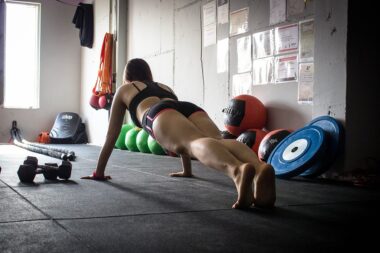
One effective bodyweight exercise for postpartum recovery is the plank. Planks are excellent for strengthening the entire core, including the transverse abdominis. These muscles provide support for your back and maintain stability during physical activities. To properly perform a plank, begin in a push-up position, aligning your body in a straight line from head to heels. Engage your core and hold the position for as long as comfortable while breathing deeply. Avoid letting your hips sag or rise to maintain proper form throughout the exercise. Beginners can start with a 20-second hold and gradually work toward longer durations as strength improves. Another beneficial exercise is the bird-dog, which enhances balance and coordination. Start on all fours, extending one arm forward while extending the opposite leg back. Hold for a few seconds, then alternate sides. This exercise helps to engage the core while providing a gentle stretch for the spine. It’s vital to focus on controlled movements throughout all exercises during this recovery phase. Aim to include these exercises a few times per week to see notable improvements in your core strength and overall stability.
Additional Exercises for Core Stability
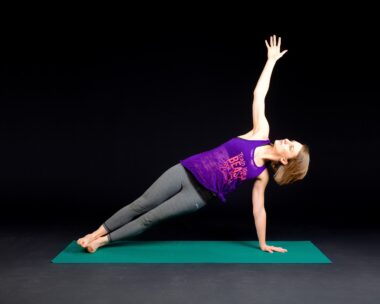
Aside from planks and bird-dogs, other core stability exercises can be beneficial during postpartum recovery. One such exercise is the dead bug, which targets the deep abdominal muscles while enhancing coordination. To perform a dead bug, lie on your back with your arms raised toward the ceiling and your knees bent at 90 degrees. Slowly extend one leg while lowering the opposite arm toward the ground; then return to the starting position and switch sides. Keep your lower back pressed against the floor to prevent strain. This exercise can be adjusted as strength develops. Another great addition to your routine is side-lying leg lifts. Start by lying on your side with your body straight. Lift your top leg about 12 inches, hold for a moment, and lower it back down. This exercise focuses on the obliques and the hip abductors, contributing to improved core stability. Gradually increase repetitions as strength progresses. Remember to maintain slow and controlled movements throughout every exercise. Incorporating a variety of exercises is essential to avoid plateaus and keep your workouts engaging and effective, especially during postpartum recovery.
Moreover, facilitating flexibility while bolstering strength is crucial for overall core stability during postpartum recovery. Incorporating exercises like the cat-cow stretch can enhance spinal flexibility while engaging the core. To do this, begin on all fours, arching your back while inhaling (cat position) and lowering it while exhaling (cow position). This rhythmic movement promotes spinal mobility while gently activating core muscles. The pelvic tilt exercise is also beneficial, which helps regain control of pelvic muscles and improve overall strength. To perform, lie on your back with knees bent and feet flat on the floor. Slowly flatten your lower back against the ground by tightening your abdominal muscles and tilting your pelvis. Hold for several seconds, then relax. Regular practice of pelvic tilts can enhance awareness of core engagement. It also helps in alleviating tension in the lower back area, which is often affected during pregnancy. Incorporating these exercises, focusing on incremental progress, is vital for a safe and effective postpartum exercise routine. Each woman’s journey is different, so adapt your approach based on how your body responds to various activities.
Listening to Your Body
A vital component of postpartum recovery is the emphasis on listening to your body as you engage in core stability workouts. It’s crucial to be mindful of any discomfort or pain during exercises and adjust accordingly. If specific movements feel challenging or cause strain, it’s wise to modify them or consult a healthcare provider for guidance. Remember that your body has undergone significant changes, and adapting your workouts to current capabilities is essential for a successful recovery. Hydration and proper nutrition also play substantial roles alongside exercise. Stay well-hydrated, as this can enhance recovery while providing energy needed for workouts. Additionally, incorporating a balanced diet rich in protein, fiber, and vitamins will support muscle repair and overall wellness. Many women find that connecting with fellow postpartum mothers for motivation and support can improve adherence to their workout routines. Group exercises or online classes are great ways to share experiences while encouraging each other. Forming a community surrounding your recovery journey can foster positivity and accountability. This support can be incredibly beneficial in achieving your fitness and wellness goals after childbirth.
Lastly, creating a sustainable workout plan that includes core stability bodyweight exercises is paramount for long-term success. Consistency is key to improving strength, stability, and overall fitness. Aim for short but regular sessions, instead of lengthy workouts, which can be more manageable for new mothers. Start with a 15-20 minute routine, incorporating the exercises discussed. As you progress, gradually increase the duration and intensity of your workouts. Tracking your progress can provide motivation; consider keeping a workout journal to monitor improvements. Remember to celebrate small victories, whether it’s holding a plank longer or completing more repetitions of a specific exercise. Keeping your workouts enjoyable will encourage consistency over time. Consider trying new exercises, incorporating music, or joining a class to spice up your routine. Ensuring variety in your workouts can prevent boredom and promote adherence. Engage in mindfulness practices such as yoga, combining elements of meditation and physical wellness. This holistic approach supports emotional well-being during postpartum recovery, making the journey to regain core stability a more positive experience.
Final Thoughts on Postpartum Recovery
In summary, focusing on core stability bodyweight workouts can significantly enhance postpartum recovery, offering substantial physical and mental benefits. The exercises outlined are designed to strengthen abdominal muscles, improve posture, and restore stability effectively. It’s essential to approach your fitness journey with patience and understanding. Every woman’s recovery is unique, and allowing time for gradual progress is fundamental. Consult with healthcare providers as needed and prioritize self-care during this transformative phase of life. Alongside exercise, fostering social connections, maintaining proper nutrition, and prioritizing hydration are crucial elements of successful recovery. Encourage family and friends to support you in this journey, as a robust support system can foster resilience and motivation. This supportive environment will ultimately empower you to achieve your postpartum fitness goals. As you embark on this path towards regaining strength and stability, remember to listen to your body and enjoy the process. Celebrate each milestone, no matter how small. By committing to regular core stability exercises, you’ll not only enhance your physical fitness but also embrace self-empowerment as a new mother, making this journey fulfilling and rewarding.
Before starting any new workout program, be sure to talk to your doctor or healthcare professional. Seeking advice helps in making informed decisions that suit your recovery process. This practice not only emphasizes safety but also regulates expectations during postpartum recovery. Whether you’re a first-time mom or have experienced pregnancy before, embracing core stability exercises can be transformative. Practicing these workouts can promote healing and assist in rediscovering a sense of normalcy. Remember, recovery is not solely about physical fitness; it encompasses emotional and mental well-being. Engaging in bodyweight workouts can be a source of empowerment and a means to reclaim your body postpartum. Be kind to yourself throughout the process and recognize that this time is not only vital for physical recovery but also for bonding with your baby. Establishing a routine that prioritizes your well-being can yield immense benefits for both you and your child. In conclusion, maintain focus on gradual progress and celebrate your achievements, however small they may seem. Embrace this journey for all its challenges and rewards, and strive to stay consistent in your efforts towards a stronger, healthier you.