
Customizing Progress Charts for Your Golf Fitness Goals
Tracking your progress in golf fitness is essential to achieving your goals effectively. Utilizing customized progress charts will enable you to visualize your advancements. Setting precise fitness goals, like improving swing speed or enhancing endurance, can significantly impact performance. Identify key metrics relevant to golf, such as strength, flexibility, and stamina, then track them regularly. Consider using digital tools that allow for dynamic updates and graphical representations of your data. For instance, an app can help maintain a log of your workouts and improve consistency. Additionally, note fluctuations in your game during practice sessions, as they provide context for your progress. It is crucial to refine your charts based on performance outcomes, identifying patterns and areas requiring attention. Engage in the process actively, adjusting your approach as needed to stay aligned with your goals. Solid tracking methods promote not only accountability but also greater motivation. Seeing tangible improvement can boost your confidence on the golf course, ultimately enhancing your overall experience. Commit to this aspect of your training, ensuring you remain dedicated to your fitness journey in golf.
Establish a baseline measurement as an initial step in customizing your progress charts. This involves assessing your current fitness level before you embark on your training journey. Start by performing a series of standard golf fitness tests. These may include assessments for flexibility, strength, balance, and endurance. Accurate baseline measurements provide a reference point for future comparisons, making it easier to gauge improvement. Regularly conducting these tests will help adjust your training regimen in line with emerging needs. By documenting initial metrics, you can celebrate milestones as they occur. As you progress, recalibrate your goals in consideration of the data collected. Acknowledge the diversity of physical capabilities among golfers; hence, customize your progress charts accordingly. This flexibility allows you to focus on your personal strengths and weaknesses. Celebrate small victories to maintain motivation and visualize your advancements on the road to excellence. Combining quantitative data with qualitative reflection can paint a more comprehensive picture of your development in golf fitness. Remember that consistency in training will ultimately yield better results, reinforcing your commitment to personal improvement.
Utilizing Data Visualization for Motivation
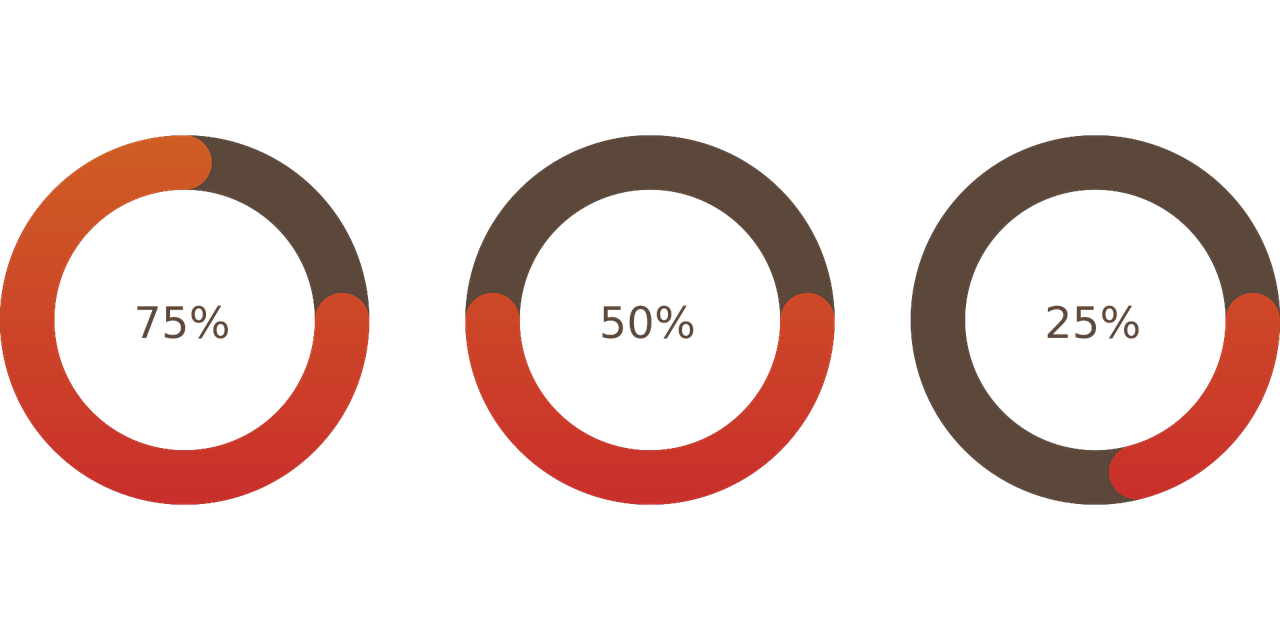
Integrating data visualization techniques can transform your progress tracking into an engaging experience. Visual representations, such as graphs, charts, and tables, allow you to analyze and interpret your performance easily. When you visualize progress, it not only inspires but also keeps you engaged in the training process. For instance, you could use a bar graph to illustrate increases in strength metrics over time. A line chart might depict your enhanced swing speed during practice sessions. Tracking in this way helps quantify your advancements. Taking time to adjust your charts based on specific benchmarks adds a layer of personalization to your fitness journey. Consider using different colors to signify successful milestones or areas requiring additional focus. Such tools make tracking less monotonous and empower you to take ownership of your progress. While improving golf fitness, remember to revise your charts regularly, incorporating fresh data and revisiting past goals. It can help create a sense of accomplishment and underline your hard work. Engaging with the process can make your golf fitness journey enjoyable, fueling your motivation to improve continuously.
Incorporating qualitative feedback into your progress charts can enhance your overall fitness tracking. Quantitative data alone, while informative, is sometimes insufficient to encapsulate your experiences. Therefore, layering additional qualitative insights can provide a deeper understanding of how your training affects your game. Keeping a journal alongside your progress charts is a beneficial practice. Write down thoughts about how you feel during workouts or any noticeable improvements in your golf performance. Reflect on your energy levels, flexibility, and body mechanics after specific exercises. These notes complement numerical data by highlighting subtle shifts that might otherwise go unnoticed. When combined, quantitative and qualitative information becomes powerful storytelling components of your journey. It also enables you to adapt your training in response to how you’re feeling physically and mentally. As you document your experiences, consider sharing this with a coach or trainer, as their insights can provide further improvement strategies. Emphasizing holistic progress tracking can create a more rewarding training experience and lead to a better understanding of your fitness needs as a golfer.
Setting Realistic Milestones for Progress
Establishing realistic milestones is a critical aspect of effective progress tracking in golf fitness. Setting achievable short-term goals will enable greater motivation. For instance, you might aim to improve your driving distance by a specific number of yards within a set period. Such clear goals not only make the process manageable but also provide motivation. Celebrate these achievements as they occur to maintain excitement throughout your journey. It is crucial to assess whether goals remain attainable frequently. As improvements manifest, you might need to revise objectives to maintain a healthy challenge level. Incorporating progressive overload principles in physical training can aid in setting new milestones. By gradually increasing the intensity of your workouts, you ensure continued development. Understanding this principle contributes to building a foundation for sustainable fitness changes related to golf. Regularly revisiting your milestones encourages proactive adjustments, fostering a positive feedback loop of achievement. Sharing your progress with friends or fellow golfers may add a layer of accountability as well. Utilize group training sessions to network while simultaneously working towards collective fitness objectives, harnessing shared motivation effectively.
Evaluating your progress charts involves more than mere numbers; it requires a critical look at your entire golf fitness journey. Take time to analyze data comprehensively, exploring areas of success as well as those needing improvement. Establish a routine review process every few weeks or after finishing a major training block. This reflective practice promotes personal growth and enables you to identify patterns within your performance. As you evaluate progress, consider variable factors such as training consistency, mental attitude, and external influences on your game. Acknowledging these elements prepares you for evolving challenges, ensuring you align your future training accordingly. Sharing these evaluations with peers can generate fresh perspectives, as collaboration often sheds light on overlooked opportunities for growth. Equally important are self-assessments concerning satisfaction and enjoyment of the training process. If you notice a drop in enthusiasm, make adjustments to keep things fresh. Incorporating diverse workouts and modalities can reinvigorate your routine. Celebrate wins, however big or small. Evaluate not just where you have come from but where you are aiming to go next to remain passionate about continuous improvement.
Making Data-Driven Decisions for Future Training
Making data-driven decisions regarding future training will significantly enhance your golf fitness results. Analyze your progress charts thoroughly, identifying areas with successful outcomes and those needing further attention. For example, if you notice consistent improvements in your strength metrics but stagnation in your flexibility results, it may indicate a need to shift your training focus. Utilize these insights to design evidence-based training programs that address specific areas for improvement. It’s essential to create a balanced approach, ensuring each aspect of fitness receives appropriate attention. Consider consulting professionals in golf fitness to gain further insights into optimizing your training regimen. These decisions should stem from a combination of data interpretation and personal experiences, enabling you to maintain a sustainable and enjoyable path toward your fitness objectives. Track sessions effectively by incorporating variety while adhering to an organized structure. Engaging with diverse training methods can stimulate progress, ensuring you remain motivated. As you accumulate data and build knowledge, you create flexible and dynamic golfing fitness programs that can evolve over time. Ultimately, informed decision-making fosters continual improvement, laying the foundation for successful golfing experiences.
In conclusion, customizing progress charts for your golf fitness goals is an indispensable tool for success. Commitment to tracking your journey will yield insights that promote growth and development in your game. By establishing a solid foundation of baseline measurements, using data visualization methods, incorporating qualitative feedback, and setting realistic milestones, you create a structured approach to improvement. Evaluation processes should remain integral to refining your goals and tracking progress. Utilize these insights to make data-driven decisions influencing future training strategies effectively. Increasing your golf fitness requires dedication, but the journey can be rewarding and engaging. Find ways to incorporate accountability and community support, ensuring you remain motivated. Challenge yourself to push boundaries while celebrating successes along the way. With a focus on ongoing assessment and refinement, you will be better equipped to meet goals and maximize your potential on the golf course. Remember that persistence and adaptability are key elements in this commitment to personal improvement. Ultimately, customizing your progress tracking ensures a more fulfilling, enjoyable golf fitness experience, empowering you to become the golfer you aspire to be.