
The Best Beginner Inline Skates for Kids and Teens
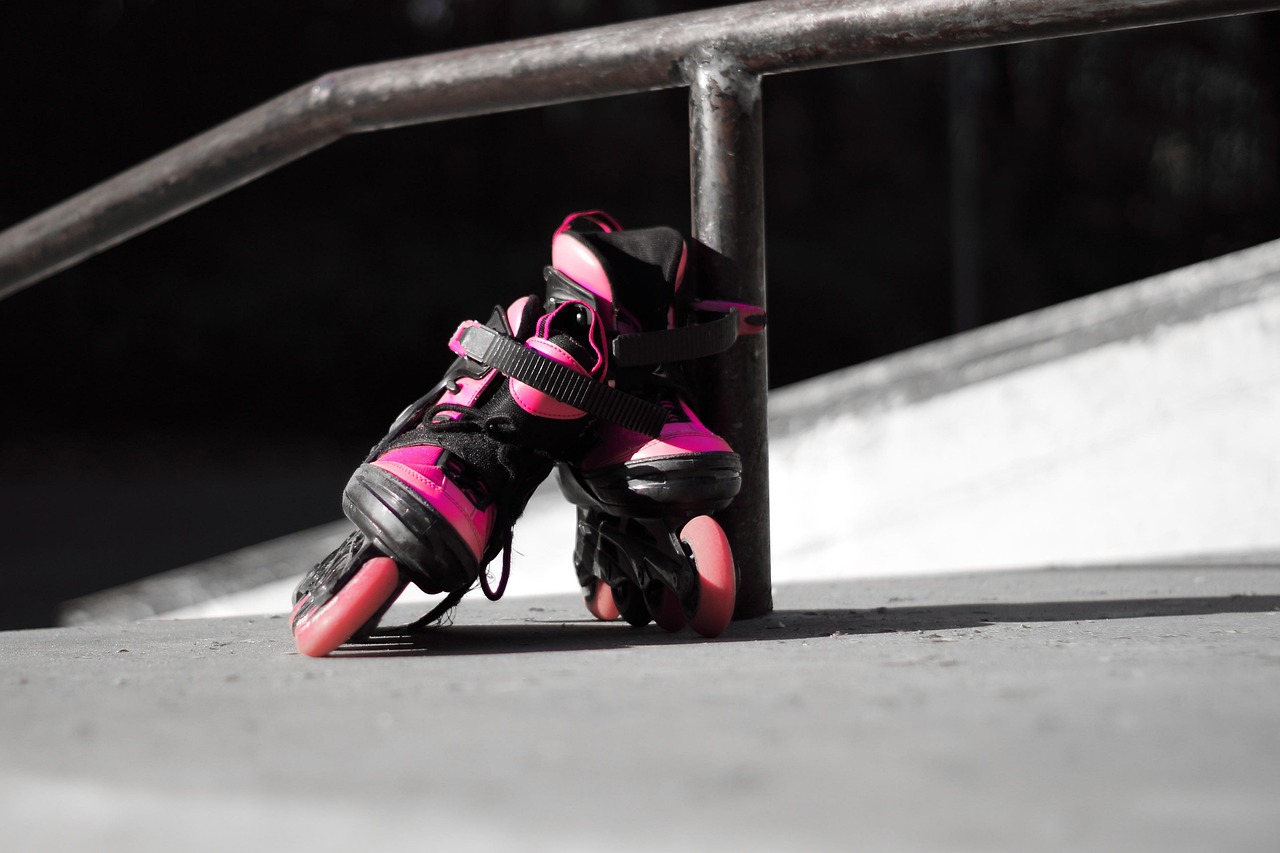
When starting out in inline skating, choosing the right skates is essential for safety and success. Beginner inline skates designed specifically for kids and teens provide not just comfort but also stability. Skates should feature a secure fit, allowing the user to feel confident while skating. Lightweight materials are preferable, enabling easy movement without compromising support. Look out for adjustable skates so that they can grow with the child. As a parent or guardian, developing skills in skating requires both the right equipment and encouragement. It’s important to prioritize safety by using protective gear. A well-fitted helmet, knee pads, elbow pads, and wrist guards can minimize injuries during falls. High-quality skates enhance the overall skating experience by making it enjoyable rather than daunting. Additionally, paying attention to wheel size and hardness is vital. Larger, softer wheels provide a smoother ride over rough surfaces. Don’t forget to check the closure systems—buckles, laces, or straps should be easy for kids to use. Selecting the right equipment can inspire a passion for inline skating that lasts for years.
To ensure young skaters have the right equipment, it’s essential to understand the different types of inline skates available. Recreational skates are often the best options for beginners. They are designed primarily for comfort, featuring a simple frame and softer wheels that make skating enjoyable. Another popular choice is fitness skates, which are targeted toward slightly older teens who may be looking to skate longer distances. The boot construction is more advanced, providing better ankle support. There are also aggressive skates, which are designed for tricks and park skating, but they are generally not suitable for beginners. Take time to research and find reputable brands known for quality. Brands like Rollerblade, K2, and Roces offer excellent choices that cater to various levels and preferences. While price can vary, investing in a quality pair usually translates to better performance and durability. Before making a purchase, it’s advisable to review customer feedback and product ratings to understand how these skates perform in real-life scenarios. Don’t hesitate to ask for recommendations from local skating communities or instructors, as they can provide invaluable insights based on personal experiences.
Key Features to Look For
Several important features contribute to the effectiveness of beginner inline skates for kids. First and foremost is the fit. A snug fit not only aids performance but enhances safety by keeping the foot secure. Parents should ensure there’s enough room for growth without compromising control. Next, focus on the type of wheels; generally, larger wheels are better for uneven surfaces. Soft wheels absorb shocks but provide less speed, while harder wheels offer speed but are less forgiving on rough surfaces. Determine what type of surface will be prevalent when selecting skates, as this impacts the overall skating experience. The closure system is also essential—choose between traditional laces, buckles, or power straps based on ease of use. Many kids may find laces cumbersome, while buckles and straps can provide a quicker, more secure option. Finally, check for ventilation in the boot to keep feet cool and comfortable during use. A well-ventilated skate can improve overall enjoyment, leading to longer skating sessions without discomfort. Each of these attributes should be considered carefully, resulting in a well-rounded choice.
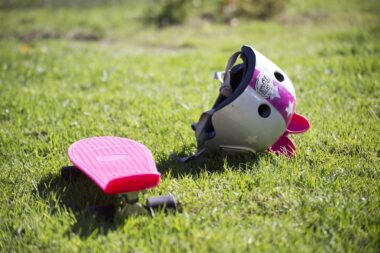
Safety gear plays a critical role in the success of beginner inline skates, significantly reducing the risk of injuries. Always invest in high-quality protective equipment tailored for skating. Essential gear includes helmets, knee pads, elbow pads, and wrist guards. Helmets should be snug, conforming to the shape of the head, while allowing for ventilation. Knee pads assist in preventing scrapes, bruises, and more severe injuries during falls. It’s essential to choose pads that fit appropriately and provide maximum coverage. Elbow pads and wrist guards are equally important, as they help protect the arms and wrists from impacts during tumbles. Prioritizing safety gear instills confidence, which is vital for beginners. When kids feel secured in their gear, they are more likely to enjoy their skating experience, allowing them to build skills without fear. Encourage young skaters to wear their protection every time they skate, even if they feel confident. This habit will not only foster safety awareness but also promote responsible skating behavior. When they progress in their skills, the importance of safety gear will always remain clear, ensuring long-lasting enjoyment in the sport.
Recommendations for the Best Models
When it comes to the top models in the market for kids and teens, several options stand out for beginners. One highly recommended choice is the Rollerblade Spitfire, known for its lightweight design and comfortable fit. With adjustable sizes, this skate can adapt as children grow, ensuring longevity and continued use. Another favorite is the K2 Raider, boasting soft wheels providing a smooth ride, making it a great option for young skaters. Parents are impressed by the secure closure and supportive boot, enhancing safety. The Bladerunner Phaser also deserves a mention, offering an excellent balance of quality and price. With a thoughtful design for beginners, it ensures stability while promoting confidence. Finally, the Fisherman Skates are well-known for their adjustable sizing and safety features, catering to all skating levels. Each of these models delivers comfort, durability, and the essential features necessary for adequate beginner support. Taking time to understand the specific needs of a child will contribute to selecting the most appropriate model, ensuring a rewarding skating experience for each young user.
Once you secure the right pair of inline skates, it’s crucial to maintain them for optimal performance. Regular upkeep prolongs the life of the skates and keeps them functioning effectively. Start by inspecting the wheels; they should be free of debris and damages. Examine the bearings too—cleaning and lubricating them will ensure smooth rides. If the wheels appear worn down, consider replacing them sooner rather than later. Maintaining proper air pressure is also essential for inflatable or air-filled components. Check the laces or straps regularly for signs of wear. Always replace them at the first sign of damage. Store the skates in a cool, dry area away from direct sunlight to prevent material degradation. Additionally, perform a thorough check of the boot structure and padding, as degradation can impact comfort and functionality. After extended use, it’s smart to give the skates a thorough cleaning. Wipe down the exterior and sanitize the boot area to remove sweat and odors. This attention to maintenance ensures that the skates last as long as possible while providing safety and performance for young skaters.
Conclusion
In summary, selecting the best beginner inline skates for kids and teens involves careful consideration of several factors. Safety, comfort, adjustable sizing, and maintenance all play crucial roles in the overall experience. Prioritizing the fit and construction ensures young skaters have a supportive and enjoyable skating journey. The right protective gear is as crucial as the skates themselves, promoting safety and building confidence throughout their skating endeavors. Whatever model you choose, investing in quality equipment is imperative; this decision impacts not only their security but also their enthusiasm for the sport. From recreational skating to building skills, the journey is exhilarating but presents its challenges. However, with the right skates and protective equipment, young skaters are set up for a positive experience. Encouragement and regular practice can cultivate a lifelong love of skating. Always stay up to date on the latest models and safety recommendations. A good start can lead to great accomplishments, ensuring that kids and teens enjoy inline skating while staying safe along the way.
Another essential aspect of enjoying inline skating is proper education. Teaching kids basic skating techniques, including stance, balance, and stop techniques, will empower their confidence on the skates. Consider enrolling them in local skating classes or camps where they can learn under professional guidance. These environments also foster social skills as they meet other young skaters. Don’t underestimate the value of community; finding local groups or clubs can enhance their skating journey. Not only will they learn from fellow skaters, but they also build friendships that make the sport more enjoyable. Parents should also be actively involved by participating in outings or supporting sessions. Whether it’s accompanying them to the skating rink or cheering them on during classes, parental support is significant. It can strengthen bonds and create lasting memories centered around a fun activity. Encouraging ongoing practice will also help develop their skills over time. The joy of skating should be emphasized; it is not just about mastering tricks but about enjoying the ride.