
Parkour Workout Routines to Overcome Mental Barriers
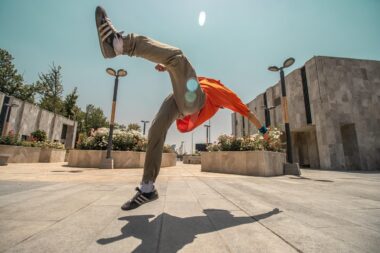
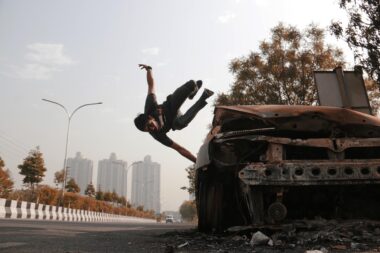
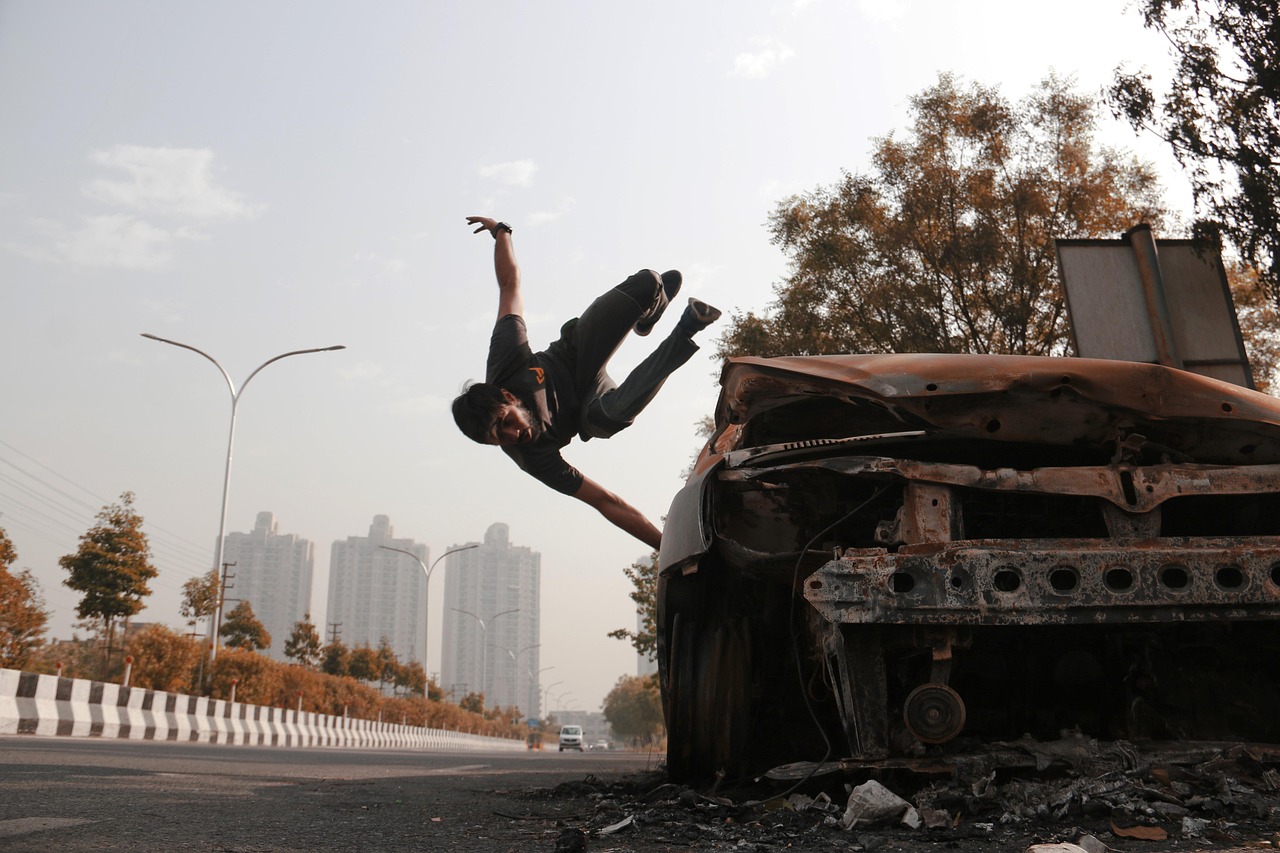
Parkour is more than just a physical activity; it’s a way to challenge and reshape your mind. Mental barriers often hinder our physical performance and ability to complete rigorous workouts. One effective way to overcome these barriers is through structured parkour workout routines. Not only do they enhance physical capability, but they also encourage mental strength. You could begin your routine with warming up by focusing on different movements such as rolls, vaults, and precision jumps. Start slowly and gradually increase the pace, which will help build confidence along the way. Set clear objectives for each session, such as improving a specific jump or vault. Tracking progress is essential; keep a training journal to record achievements. Moreover, practicing within a supportive environment fosters encouragement. Demonstrating routines with fellow enthusiasts can help normalize challenges, making them easier to confront. Keep in mind that reframing failure as a learning opportunity is vital. Explore various facets of parkour, engaging in diverse scenarios that promote adaptability and resilience, which is crucial for mental growth.
Building Confidence through Routine
When engaged in parkour, confidence is key to executing moves effectively and safely. A well-structured routine can build this confidence gradually, enabling you to take on more complex challenges. Begin by identifying specific moves that you find intimidating and focus on mastering simpler variations of those moves initially. For instance, before attempting a complex wall jump, ensure that you have perfected the basic vaulting techniques that underpin it. Incorporating drills specifically designed for core strength and balance can also contribute to enhanced execution and confidence. Furthermore, break down more complex movements into manageable parts, practicing them repeatedly until they feel natural. Visualization can play an important role as well; envisioning successful execution can enhance performance when the time comes to perform live. Additionally, consider working with a coach or more experienced individuals who can provide constructive feedback. Having a supportive community transcends mere physical practice; it nurtures mental resilience as well. Celebrate each small victory, regardless of how minor it may seem, as every step forward boosts morale and promotes a determined mindset for further growth.
Continuing to explore your limits is essential in parkour training. As you develop your skills, integrating more challenging movements into your routine will not only enhance physical capabilities but also test your mental resolve. Instead of shying away from the tougher movements, approach them with a clear strategy. Before attempting a tricky maneuver, visualize the steps involved and adopt a focused mindset. Break down the steps meticulously; ensure that you understand the mechanics behind each action. It can be beneficial to practice these new techniques on softer surfaces initially, to mitigate fear of injury. Every successful attempt will reinforce your belief in your abilities. Documenting each training session helps track where you excel and areas needing focus. Adjust your workouts based on these reflections to optimize progress. Moreover, engage in supplementary activities, like yoga or martial arts, which enhance body awareness and mental clarity. Adopting a holistic approach ensures mental fortitude and flexibility. As confidence grows through discomfort, you will decrease mental constraints, allowing you to view challenges as opportunities for improvement rather than obstacles to overcome.
The Importance of Rest and Recovery
Another crucial aspect of parkour workout routines involves recognizing the importance of rest and recovery. Overtraining can lead to physical exhaustion and emotional burnout, which negatively affects mental strength and focus. Learning to listen to your body is paramount in understanding when to push harder and when to allow yourself time to recuperate. Schedule routine recovery periods into your training plan. These rest days create opportunities for your muscles and mind to recuperate and adapt. Engaging in low-impact activities such as swimming can keep you active while allowing your body to heal. Fostering a balanced diet aids recovery, while plenty of hydration plays a pivotal role in muscle repair. Furthermore, incorporating meditation or mindfulness exercises can help you maintain clarity in your mental space. This breathwork will promote relaxation and provide clarity of mind during your training sessions. When returning post-recovery, you may operate at a better performance level and greater confidence. Ultimately, prioritizing recovery invites long-term progress, leading to fewer mental barriers while embarking on more intense training sessions in parkour.
Incorporating a mindset of experimentation into your workouts can significantly enhance both physical and mental growth. Striving for perfection can create undue pressure that stifles creativity, which is crucial in parkour. Instead, adopt an exploratory mindset where failures become an opportunity to innovate and try new techniques. Embrace the process of experimentation; allow yourself to miss jumps or miscalculate landings without self-judgment. Each misstep provides valuable insight that can deepen your knowledge of movement mechanics. Try variations of techniques, such as altering your takeoff or changing your landing surfaces. This exploration expands your comfort zone, enabling you to approach challenges from multiple angles. Document each trial and assess what works best for you through comparisons in technique and outcome. Over time, this experimental approach will enhance your mental flexibility, instilling resilience against any obstacles encountered. It’s important to remind yourself consistently — each session is building experience, and mistakes are integral to progress. Moreover, sharing your findings and experiences with others fosters community learning, creating an environment rich in motivation and support, which is essential in bridging mental barriers.
Setting Realistic Goals
A central component of any effective parkour routine is setting realistic goals. Establishing clear, attainable objectives not only provides direction for your training but also enhances motivation and mental resilience. Begin by breaking down larger objectives into smaller, achievable milestones. This approach allows you to celebrate incremental successes, thus driving your commitment further. For example, if your goal is to complete a specific parkour course, set weekly targets focused on perfecting each move involved. Additionally, it can be helpful to employ the SMART criteria for goal setting—specific, measurable, achievable, relevant, and time-bound goals that transform your aspirations into actionable plans. When you achieve these smaller goals, it creates a positive feedback loop, leading to newfound confidence. Maintaining an adaptable mindset when faced with setbacks is essential; adjust your goals as you progress and recognize that growth takes time. Furthermore, share your goals with a training partner or mentor. This accountability can help you stay on track and maintain focus amid distractions. Embracing this structured approach cultivates determination and helps dissolve mental barriers that may arise throughout your parkour journey.
As you embark on your journey through parkour, integration of these workout routines can amplify both physical and mental prowess. Reflecting on your progress cultivates self-awareness and resilience, unlocking newfound abilities. Moreover, understanding the significance of participation fosters a sense of belonging in the parkour community. This connection elevates motivation and serves as a support network. Attending classes or workshops exposes you to various techniques and diverse perspectives, fueling passion and creativity in your practice. Additionally, consider organizing small group sessions, where each participant shares their unique experiences and techniques that helped in breaking down personal barriers. Collaborative training sessions breed camaraderie while reinforcing skills. Leverage social media platforms to connect with more extensive networks; sharing your journey can inspire others while attracting potential mentors. Seek out online forums dedicated to parkour that discuss mental aspects and workouts, enhancing your knowledge base. Remember that improvement in parkour is not just an outcome but a continuous process of engagement and growth. As you combine physical routines with mental strategies, you will enhance your parkour abilities while overcoming mental obstacles along your journey.
Ultimately, the intersection of physical conditioning and mental strength is vital for anyone engaging in parkour. Be proactive about tackling the dual challenges presented. A holistic approach to your training ensures not only your physical body is prepared but also your mind is nurtured and fortified against mental barriers. Recognize that each individual’s journey is unique, so construct workflows that cater to your personal growth. This self-awareness allows for the formulation of a personalized routine that aligns with your abilities and limitations. Remember, believing in your capability to overcome any obstacle is often the first step toward accomplishing it. Engage regularly in training while maintaining a mindset that’s open to learning and adapting. Doing this not just elevates your performance but equips you with coping strategies for any challenge. Aim for progress, not perfection, and nurture a passion for continuous improvement. Remain in tune with your mental and physical states, allowing adjustments as necessary to optimize your training. Over time, you’ll find that many of the mental barriers encountered will fall away, making space for growth as a parkour athlete, and eventually, be replaced with confidence and mastery.